Livestock aftercare options near Fresno
Most places expect a carcass dealt with within a day or three. Here's what's legal, available and affordable in Fresno, from dead-stock pickup to a private cremation with ashes returned.
- Rendering, compost, burial or cremation compared
- Help finding who serves your county
- Written prices before anything is loaded
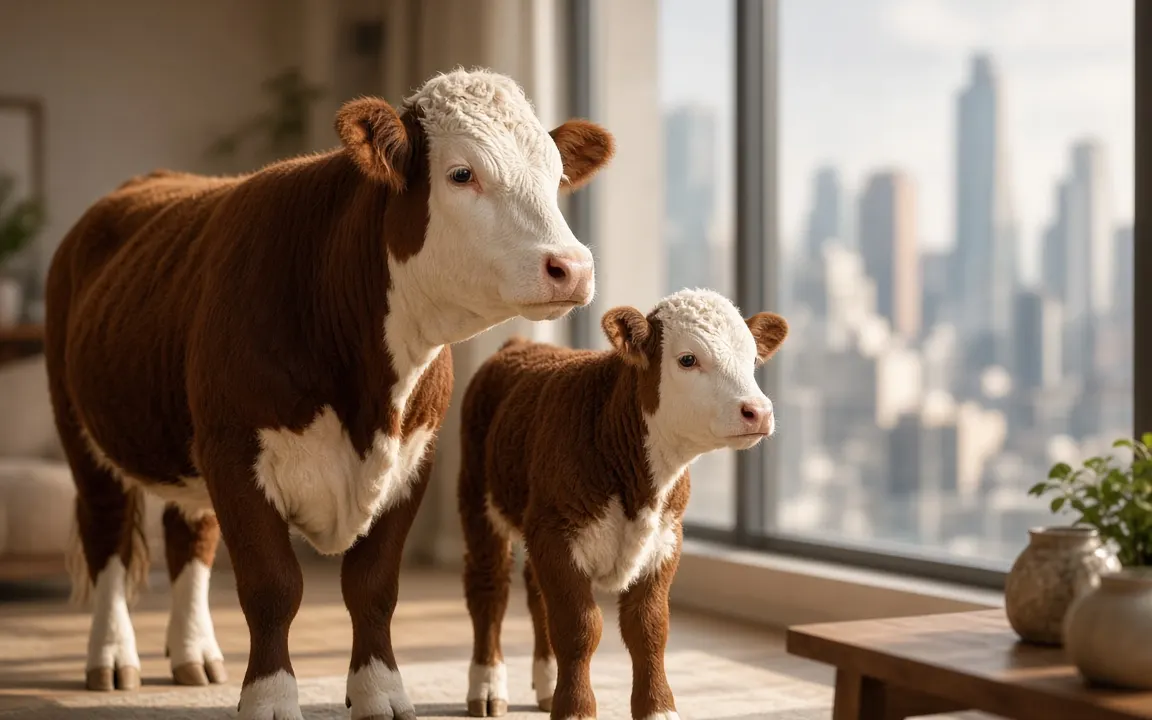
Fresno, California
Farm, fairground and backyard: the Fresno picture
Heat is the defining challenge for large-animal aftercare around Fresno. From June to September, a horse, cow or pig cannot wait long in the sun. Burial on your own land may be possible under county rules, but hard, dry ground can make it slow. When you ask for help, describe the property, gate width and whether a truck can reach the animal.
Fresno sits in the middle of one of the world's richest farming regions, with dairy herds, beef cattle, sheep, goats and horses on farms and ranchettes throughout the valley. When a large animal dies, commercial stock usually goes to rendering, while individual cremation with ashes returned is a private option for companion animals. Share your location and access when you ask for help.
Urban farms, school farms, petting farms and community gardens around Fresno keep goats, sheep, pigs and poultry in small spaces with lots of visitors. When an animal dies, the practical questions are quick removal, a vet check if disease is possible, and how to explain the loss to children or volunteers. Setting up a relationship with a large-animal crematory or renderer before you need one saves a scramble on a busy weekend.
About 555,549 people live in Fresno, which makes it the 5th-largest of the 307 California communities we cover.
If you want to compare providers, look at Clovis (9 miles), Sanger (13 miles) and Selma (15 miles). Distance matters because pickup fees and the time until the ashes come back both grow with the drive.
70.5%[1]
The NFDA projected California's cremation rate at 70.5% for 2024.
$600-$1,000[2]
Cremating a 1,000-pound horse was reported to cost about $600-$1,000, depending on location and the price of propane.
3-5% of body weight[3]
Embrace notes cremated remains typically weigh about 3-5% of the pet's original body weight.
The published sources behind those figures are Embrace Pet Insurance and Extension Horses (eXtension national Cooperative Extension).
What local funeral habits suggest about farm aftercare
Around 70.5%[1] of the population of California is cremated at death, yet on most working farms here only a handful of animals ever get a private cremation. The rest go to rendering, compost or burial as routine. Some families find it helps to agree in advance which animals would be the exception: the old cow who raised a dozen calves, a child's pet goat, the ram everyone knew by name. Settling that on a calm day spares an argument at the barn door.
NFDA 2024 Cremation & Burial Report state projections (via Occasional Sage) (2024) is where the California figure comes from. It counts people; we use it because attitudes to cremating a pet in Fresno tend to follow attitudes to cremation generally.
What the seasons mean for dead stock in Fresno
In hot weather a compost pile heats fast, which is good, but a poorly covered carcass in July will smell and draw buzzards and dogs. Build the base first, bring enough cover to bury the animal completely, and check the pile after a few days. If you can't get enough wood chips or sawdust in time, a renderer or a landfill that accepts carcasses may be the better choice this time.
If you're planning a euthanasia for a show animal or an old cow around Fresno in the hottest months, book it early in the morning and arrange collection straight afterwards. The animal is easier to handle, the ground is firmer, and the provider isn't racing the afternoon heat. Let the crematory or renderer know the time so the truck can come directly.

Budgeting per animal and per year in Fresno
If you're budgeting for a whole year rather than one animal, think in losses per head. US dairy operations lost about 3.1% of adult cattle in 2015 against 1.8% on beef operations[4], and calf losses ran higher still. Multiply your expected deaths by the per-call or per-pound cost of your usual route in Fresno, then add a cushion for a heat wave or a storm.
For a line-by-line price table, see the California overview; for what's included in each option, see our services.

Free tool
Livestock mortality planner
Plan disposal capacity and costs for farm losses, from one animal to a herd.
The legal side of dead stock in California
Record-keeping rules in California may apply alongside disposal rules. Cattle, sheep, goats and pigs often carry official IDs, and a death may need to be reported to a traceability system or noted in a herd register within a set time. Keep the tag number, date and route for every animal. It's the same information an insurer or auditor would ask for, and it takes a minute to jot down in the barn.
To find your county or city office in California, start with the official California local government directory.
In the US, dead-stock rules are set state by state, usually by the agriculture department or board of animal health. Most states expect disposal within 24-72 hours[6], and only about 50%[7] of states still have a rendering plant. Where no truck comes, composting and burial fill the gap, but not every state allows both for every species. Your county extension office is the quickest way to find out what applies on your land.
Home burial and scattering are governed at the California level first; our California rules summary has the detail. Then check whether Fresno or your HOA adds anything.
Step by step after a death on the farm
- Count and separate. Two or more deaths mean moving the surviving herd or flock well away, and getting your vet out that day.
- Don't move suspect carcasses off the farm when a reportable disease can't be ruled out; wait for instructions on how.
- Check your capacity: how much carbon material you have for composting, whether a pit site meets the rules, whether the renderer can take the volume.
- Call for help early. Extension offices, neighbors and custom operators can lend equipment or build a windrow.
- Keep biosecurity tight: no collection truck comes past the road, and whoever has touched a carcass swaps boots before they go back among the live stock.
- Write down what happened and what went well, and your next plan will be stronger for it.
Marking the loss, on the farm or in town
Many large animals around Fresno live on small ranchettes and hobby farms, or are 4-H and FFA projects raised by kids for the fair, and they often become family whatever their original purpose. If rendering does not feel right for a steer, a lamb or a retired horse, talk to your vet about individual cremation in advance. Late-summer wildfire smoke can make outdoor work unhealthy, which is another reason to have a plan ready.
Our services overview lays out every option side by side, or see how other readers answered in our polls, look through our guides and the blog, run the numbers with the free planning tools. You can also browse every city in the United States. Nearby, we also cover San Diego, San Francisco, Sacramento and Long Beach, and every city in California.

Reader polls
What would you choose?
Vote anonymously and see how other readers answered. The results are live counts from people who visit this site, so they show real opinions, not a scientific sample.
Do you have a written plan for a big loss, like a blizzard, heat wave or disease outbreak?
Tap an answer to vote and see how others answered. Anonymous.
When an adult animal dies on your place, what usually happens to it?
Tap an answer to vote and see how others answered. Anonymous.
If you had to decide today, which aftercare would you choose for your pet?
Tap an answer to vote and see how others answered. Anonymous.

Free tools to help you plan
Livestock mortality planner
Plan disposal capacity and costs for farm losses, from one animal to a herd.

Urn size calculator
Find the urn volume you need from your pet's weight, plus keepsake and sharing options.

Horse aftercare cost comparison
Compare equine cremation, burial, rendering and composting side by side.
Questions people ask
Which nearby towns can I compare with Fresno?
The closest communities we cover are Clovis (about 9 miles), Sanger (about 13 miles) and Selma (about 15 miles). Providers based in those places often serve Fresno too. Ask each one for a written total that includes collection, so the distance is priced in.
Is cremation common in California?
For people, yes: about 70.5%[1] of California deaths end in cremation, according to NFDA 2024 Cremation & Burial Report state projections (via Occasional Sage) (2024). Nobody publishes the same figure for pets, but in our experience pet choices in Fresno follow the human pattern closely, so cremation is the default most families here start from.
When is the hardest time of year to arrange a burial in Fresno?
There is no frozen-ground season here; average lows stay above freezing all year. The other pressure point is July, when highs around 98°F mean a body needs cooling and collecting quickly.
Will a renderer take an animal that was euthanized with drugs?
Not always. Some renderers refuse drug-euthanized animals because of residues, and since 2003[8] FDA-required labels have warned that such carcasses must be kept away from scavengers. Tell whoever collects exactly how the animal died. If the renderer won't take it, deep burial, composting under full cover, incineration or cremation are the usual alternatives.
Can I bring a dead animal to a crematory myself?
Often yes, and it can save the pickup fee. You'll need a trailer and a way to load and unload the animal safely, usually a winch, a loader or a skid steer. Call ahead so the provider has equipment and staff ready, and cover the animal in transit. Some regions restrict moving carcasses during disease outbreaks, so check first.
Is composting a dead cow really practical?
Yes, with enough material and patience. Cattle need cover such as wood chips, sawdust or old bedding, at about 10-12 cu yd per 1,000 lb[9] of carcass, and the pile should reach 135-140 F[10]. The second phase for a mature cow runs about 240 days[11]. It works well once you've done it, but check your state first: some places don't allow composting of cattle, sheep and goats.


Sources and our estimates
- [1] The NFDA projected California's cremation rate at 70.5% for 2024. NFDA 2024 Cremation & Burial Report state projections (via Occasional Sage), 2024.
- [2] Cremating a 1,000-pound horse was reported to cost about $600-$1,000, depending on location and the price of propane. Extension Horses (eXtension national Cooperative Extension) - Horse Disposal Options, 2019, 2019.
- [3] Embrace notes cremated remains typically weigh about 3-5% of the pet's original body weight. Embrace Pet Insurance - Bury or Cremate Your Dog? Costs, Pros & Cons, 2025.
- [4] Dairy operations had a 3.1% adult cattle death loss rate in 2015, compared with 1.8% on beef operations. USDA APHIS NAHMS - Death Loss in U.S. Cattle and Calves Due to Predator and Nonpredator Causes, 2015 (published Dec 2017), 2015.
- [5] Texas lost about 1,452 cattle and calves per day in 2015. Our estimate: (310,000 + 220,000) / 365. How we calculate.
- [6] State rules commonly require dead animals to be buried within 24 to 72 hours of death, especially when euthanized. Cornell Waste Management Institute & Penn State - Horse Mortality: Carcass Disposal Alternatives (2012), 2012.
- [7] Only about 50% of U.S. states have rendering plants, most of them concentrated in the Midwest. Extension Horses (eXtension national Cooperative Extension) - Horse Disposal Options, 2019, 2019.
- [8] Since 2003 the FDA has required euthanasia drug labels to warn that euthanized animals must be disposed of by deep burial, incineration or another approved method to keep scavenging wildlife from eating the carcass. Cornell Waste Management Institute & Penn State - Horse Mortality: Carcass Disposal Alternatives (2012), 2003.
- [9] Bovine composting may require 10-12 cubic yards of cover material per 1,000 lb of carcass. USDA APHIS / Center for Food Security and Public Health (Iowa State) - Disposal: Composting, Rendering & Burial handout, based on NAHEMS Disposal Guidelines (2012), 2012.
- [10] A carcass compost pile should reach 135-140 F within 15 days and be held at temperature for 3-12 weeks. USDA APHIS / Center for Food Security and Public Health (Iowa State) - Disposal: Composting, Rendering & Burial handout, based on NAHEMS Disposal Guidelines (2012), 2012.
- [11] The second composting phase takes about 10 days for chickens but approximately 240 days for mature cows and horses. USDA APHIS / Center for Food Security and Public Health (Iowa State) - Disposal: Composting, Rendering & Burial handout, based on NAHEMS Disposal Guidelines (2012), 2012.
Get cremation or pickup prices for Fresno
Tell us what you need and where you are. We'll reply by email with clear options and prices so you can decide in your own time.