A livestock mortality plan written before the bad day
Death loss cost US cattle producers an estimated $3.87 billion[1] in 2015. You can't prevent every loss, but you can decide in advance how dead stock leaves your place, and who signs off.
- Six fields matched to real farm losses
- Two-quote comparison built in
- Download it for the barn office
What should I record before contacting the team?
Livestock Cremation Services uses this worksheet to prepare worldwide inquiries. Your entries stay in this page’s memory until you copy, download or open an email draft. Reloading clears the fields. Record the requested outcome and location, leaving unresolved choices as questions and sensitive medical or personal details out of a shared copy.
0 of 6 fields have an entry. This is a completion count, not a safety score or booking approval.
How do I compare two itemized quotes?
Livestock Cremation Services compares your entered amounts for worldwide inquiries; it does not supply market prices. Use two written quotes in one currency, counting each charge once. Leave unknown amounts blank and use zero only for confirmed inclusions or no charge. Put taxes and other separate charges in the final row.
The tool adds your entries. It does not estimate prices, recommend a provider or establish that two service definitions are equivalent.
| Cost factor | Quote A | Quote B |
|---|---|---|
| Quantity and weight | ||
| Site and equipment needs | ||
| Transport controls | ||
| Approved method and capacity | ||
| Taxes and other quoted charges | ||
| Entered subtotal | UnknownSome amounts unknown | UnknownSome amounts unknown |
How can I keep and share my planning record?
Livestock Cremation Services lets you keep this worldwide planning record with your answers, selected source and entered quote amounts. Copying or downloading creates a copy you control. Opening an email draft lets you review the text in your email app before sending; none of these actions automatically submits an inquiry.
Clear entries removes all worksheet fields, including quote amounts and currency. It does not delete a copy you already saved or an email draft.
Read the text of your plan
Livestock Cremation Services: The mortality response intake brief
Original planning worksheet; entries supplied by the visitor.
Country or territory: To confirm
City and region: To confirm
Species and number of animals: To confirm
Approximate individual and total weight: To confirm
Known cause and veterinary contact: To confirm
Disease-control instructions: To confirm
Site access and equipment: To confirm
Authority approving the disposition method: To confirm

Before proceeding: Follow the responsible veterinarian’s and authorities’ instructions before arranging transport.
Why plan
Why every operation needs a written mortality plan
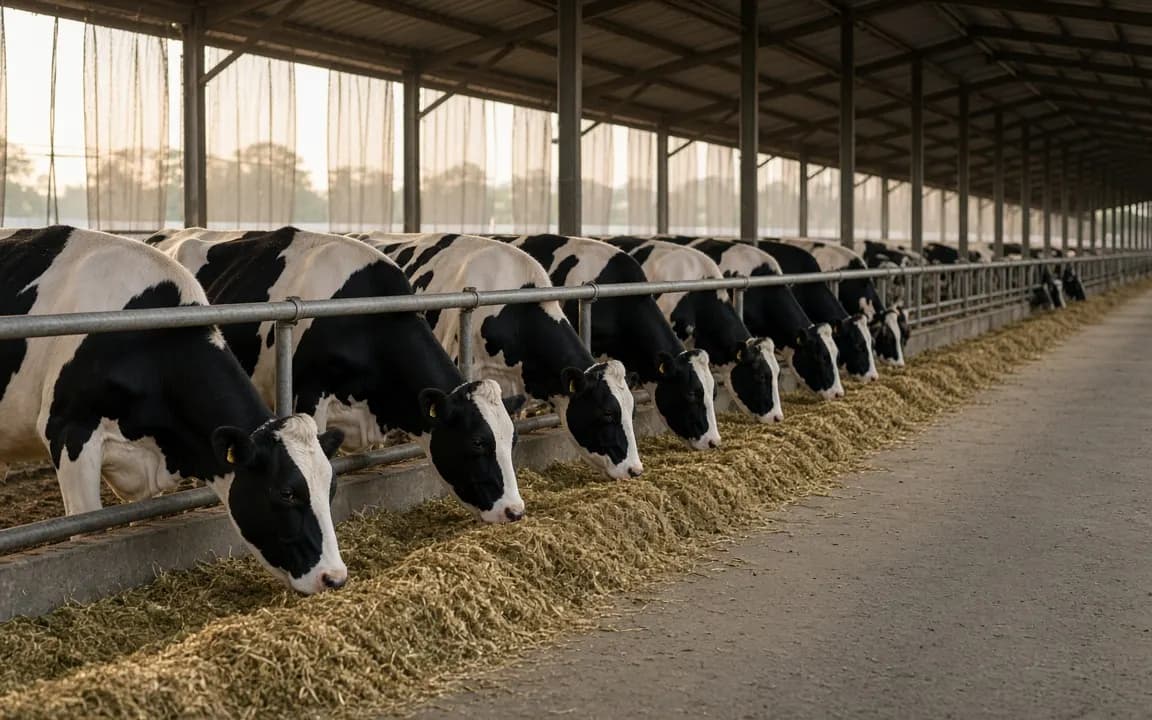
Losses are part of raising animals. In 2015, according to USDA's cattle and calf death-loss report, adult cattle death loss ran at 2.2%[2] of inventory and calf losses at 6.2% of the calf crop. On a 300-cow operation, that's several adults and many more calves every year, each one needing to be dealt with quickly and legally.
Most producers handle routine losses on instinct. The trouble comes with the unusual ones: a heat wave that takes a dozen head, a suspected disease, a renderer that stops coming, or a family animal that deserves more than the usual route. A written plan means whoever's on the place that day knows what to do and who to call.
$3.87 billion[1]
Death loss in U.S. cattle and calves in 2015 was estimated to cost producers $3.87 billion.
$997 per head[3]
The average value lost per dead cow or calf in 2015 was about $997.
By our estimate, each dead cow or calf represented about $997 per head[3] in lost value in 2015. Disposal costs come on top of that, so choosing an efficient, approved method in advance protects your margins as well as your neighbors and water.
Filling it in
What to write in each field of the brief
Choose the country and your county or region at the top; a street address isn't needed here. Some countries show a sourced planning question when selected. Then fill the six fields. Write "to confirm" and the name of the person who'll know wherever you're unsure.
- Species and number of animals. "Two mature Angus cows" or "approximately 4,000 broilers, one house". The count decides which methods are realistic.
- Approximate individual and total weight. Services price and plan by total weight. The mortality planner can estimate it from head count and class.
- Known cause and veterinary contact. Record what's known and your vet's name and number. A suspected reportable disease changes everything.
- Disease-control instructions. Note any instructions from your vet or the animal health authority, including movement holds.
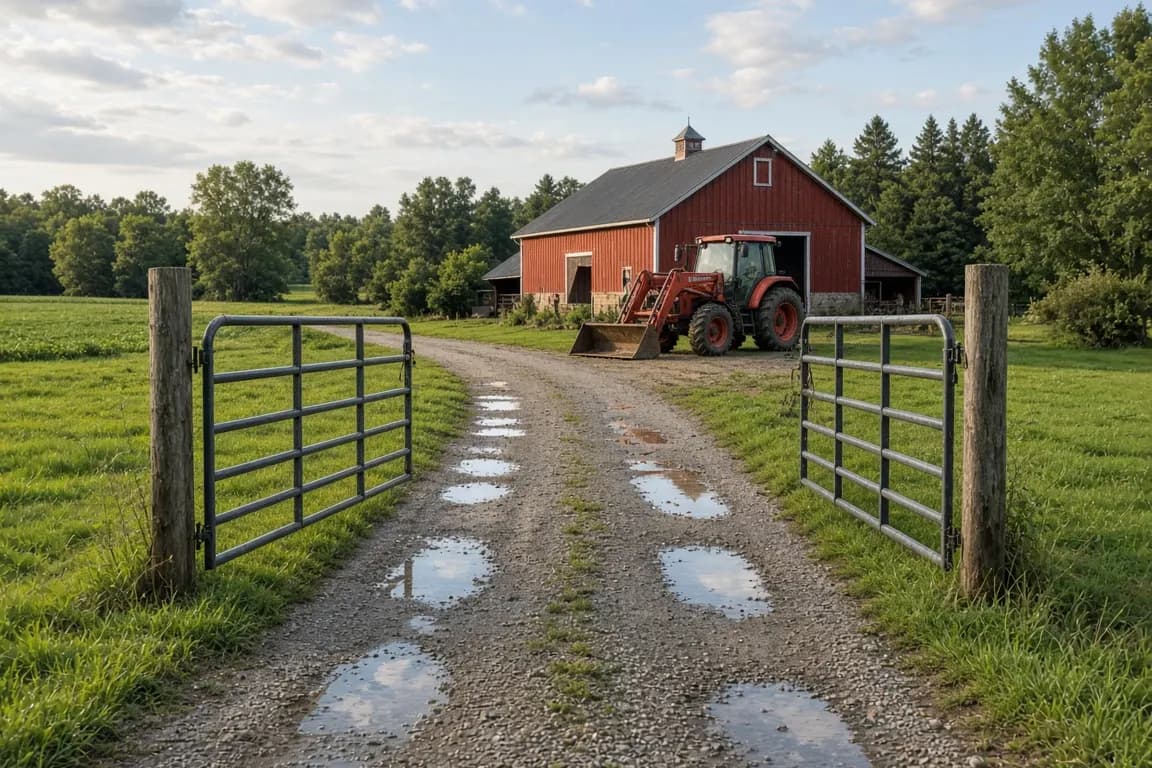
- Site access and equipment. Gate widths, road condition in wet weather, loader or skid steer on hand, and where a truck can turn.
- Authority approving the disposal method. Your state agriculture department, environmental agency or county office, with a contact.

Free tool
Livestock mortality planner
Plan disposal capacity and costs for farm losses, from one animal to a herd.
Prices
Comparing two mortality service quotes
The brief's quote table has rows for quantity and weight, site and equipment needs, transport controls and approved method and capacity, plus a row for taxes and other charges. Enter numbers from written quotes in one currency. The sheet totals each column and shows the difference only once every row is complete.
Methods differ enormously in cost. Rendering pickup for a horse typically runs $75-$200[4], while cremating a 1,000 lb horse was reported at $600-$1,000[5], depending on location and propane prices. Composting a 1,200 lb horse was estimated at $170 to $380[6] in materials, equipment, fuel and labor. The horse aftercare cost comparison lays these out side by side, and our services page explains what each method actually includes.
Using it
Where to keep the plan and who should see it
Copy the plan, download it as a text file or open an email draft for your vet, manager or partners. Nothing sends until someone presses send. Many operations print a copy for the barn office and one for the truck, alongside the vet's number and the renderer's pickup line.
Share it with anyone who might be on the place alone: family, hired help, a neighbor who checks water when you're away. Add a short contact list at the bottom, including the renderer or compost contractor, the county extension office and the state animal health line. In a disease scare, the first call often matters most, and it helps if everyone knows that the vet comes before the truck.
When you want service options, paste the key lines into the form at the top and we'll reply by email. The locations page shows how rules and service coverage differ by state and region. If you're curious how many other readers say they have a plan on paper, the live poll results keep a running count.
Do you have a written plan for a big loss, like a blizzard, heat wave or disease outbreak?
Tap an answer to vote and see how others answered. Anonymous.
Practical advice
Mortality planning tips from the field
- Know your deadline. Pennsylvania requires disposal within 48 hours[7], as Penn State Extension summarizes; your state may differ. Write yours at the top of the plan.
- Pick a compost site now. Compost sites should sit at least 300 feet from water[8]. Choosing it in dry weather beats choosing it in a storm.
- Stockpile carbon. Keep wood chips or sawdust on hand; a pile should reach 135-140 F[9] within 15 days to work properly, according to USDA APHIS disposal guidance.
- Plan for a big event. Fire, flood or disease can mean dozens of animals at once. Note which method and authority apply at that scale.
- Separate family animals. Write down which animals the family would want cremated privately, so nobody has to ask on the day.
The barn and feedlot pre-planning guide and pre-planning aftercare for livestock go further. If you're unsure where to begin, the quick quiz picks one thing to tackle first.

Reader polls
What would you choose?
Vote anonymously and see how other readers answered. The results are live counts from people who visit this site, so they show real opinions, not a scientific sample.
Do you have a written plan for a big loss, like a blizzard, heat wave or disease outbreak?
Tap an answer to vote and see how others answered. Anonymous.
Can you still get a renderer to pick up at your farm?
Tap an answer to vote and see how others answered. Anonymous.
Would you pre-pay for aftercare while your pet is still healthy?
Tap an answer to vote and see how others answered. Anonymous.

Free tools to help you plan
Livestock mortality planner
Plan disposal capacity and costs for farm losses, from one animal to a herd.

Horse aftercare cost comparison
Compare equine cremation, burial, rendering and composting side by side.

Cremation cost calculator
Estimate a realistic price range for your pet's size, location and the type of cremation.
Questions people ask
Is my farm's mortality brief stored anywhere?
No. The brief stays in the open page and clears when you reload. Copy, download or email it to keep it. We only see what you send through the form or your own email.
Should the plan cover a mass mortality event?
Yes, at least in outline. Note which method you'd use for many animals at once, who approves it and where it would happen. For disease events, your state animal health authority will set the rules, so record their contact.
Do I need my vet's input to complete the brief?
It helps, especially for the cause and disease-control fields. Many vets will review a mortality plan during a herd health visit. Leave those fields as "to confirm" until you've talked.
Can the brief include a family horse or pet cow?
Yes. Many producers add a short note for animals the family would want cremated privately or buried. Record which animals, the preferred method and who decides, so it's handled differently from routine losses.
How often should I update my mortality plan?
At least once a year and after any change in herd size, housing, rendering service or state rules. Update it straight after any big loss too, while the lessons are fresh.


Sources and our estimates
- [1] Death loss in U.S. cattle and calves in 2015 was estimated to cost producers $3.87 billion. USDA APHIS NAHMS - Death Loss in U.S. Cattle and Calves Due to Predator and Nonpredator Causes, 2015 (published Dec 2017), 2015.
- [2] U.S. adult cattle death loss was 2.2% of inventory and calf death loss was 6.2% of the calf crop in 2015. USDA APHIS NAHMS - Death Loss in U.S. Cattle and Calves Due to Predator and Nonpredator Causes, 2015 (published Dec 2017), 2015.
- [3] The average value lost per dead cow or calf in 2015 was about $997. Our estimate: $3.87 billion / 3.88 million head. How we calculate.
- [4] Rendering companies typically charge a pickup fee of $75-$200 to remove a horse carcass, depending on location. Extension Horses (eXtension national Cooperative Extension) - Horse Disposal Options, 2019, 2019.
- [5] Cremating a 1,000-pound horse was reported to cost about $600-$1,000, depending on location and the price of propane. Extension Horses (eXtension national Cooperative Extension) - Horse Disposal Options, 2019, 2019.
- [6] Composting a 1,200-pound horse requires about 10 cubic yards of carbon material (wood chips, sawdust), and total material, equipment, fuel and labor costs were estimated at $170-$380 per horse. Cornell Waste Management Institute & Penn State - Horse Mortality: Carcass Disposal Alternatives (2012), 2012.
- [7] Pennsylvania requires a dead domestic animal to be properly disposed of within 48 hours of death. Penn State Extension - Livestock and Poultry Mortality Disposal in Pennsylvania (J. Craig Williams, updated Oct 2025), 2025.
- [8] Mass-burial trenches for large animals are typically 4-8 feet deep and about 6 feet wide, and compost sites should be at least 300 feet from bodies of water. USDA APHIS / Center for Food Security and Public Health (Iowa State) - Disposal: Composting, Rendering & Burial handout, based on NAHEMS Disposal Guidelines (2012), 2012.
- [9] A carcass compost pile should reach 135-140 F within 15 days and be held at temperature for 3-12 weeks. USDA APHIS / Center for Food Security and Public Health (Iowa State) - Disposal: Composting, Rendering & Burial handout, based on NAHEMS Disposal Guidelines (2012), 2012.
Send us your mortality plan
Tell us what you need and where you are. We'll reply by email with clear options and prices so you can decide in your own time.