When an adult animal dies on your place, what usually happens to it?
Loading...
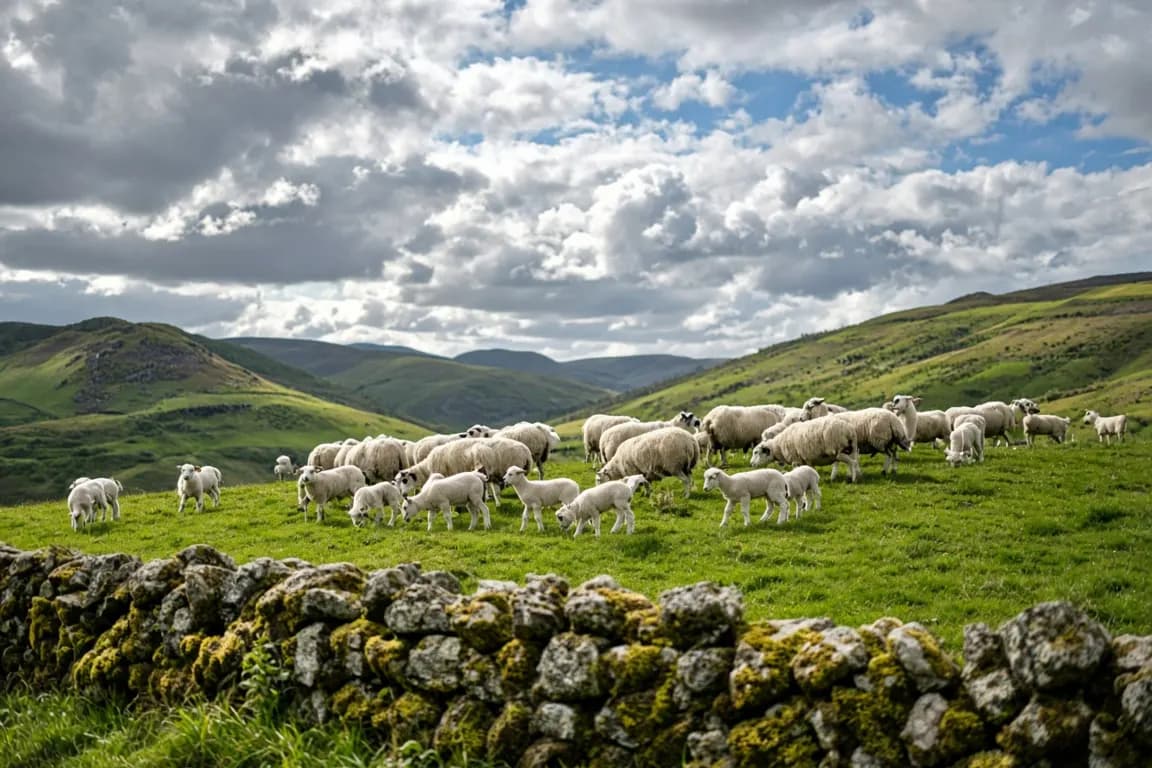
US sheep and lamb death losses ran at 6.8% / 12.0%[1] of inventory and lamb crop in 2019. Official numbers count the deaths; these live results show what producers say happens next.

The method
Every figure on the board below is a live count of reader votes. Each person gets one vote per poll, votes are anonymous and the totals update as new answers arrive. Nothing is weighted, adjusted or pre-filled, so a poll with few votes can swing a lot from one week to the next.
That makes these results a conversation, not a census. They tell you what people who found this site are doing and thinking. For the scale of the problem, lean on the official figures in the sections that follow, all listed on our research page.
Loading...
Loading...
Loading...
Loading...
Loading...
Loading...
Loading...
Loading...
Against the data
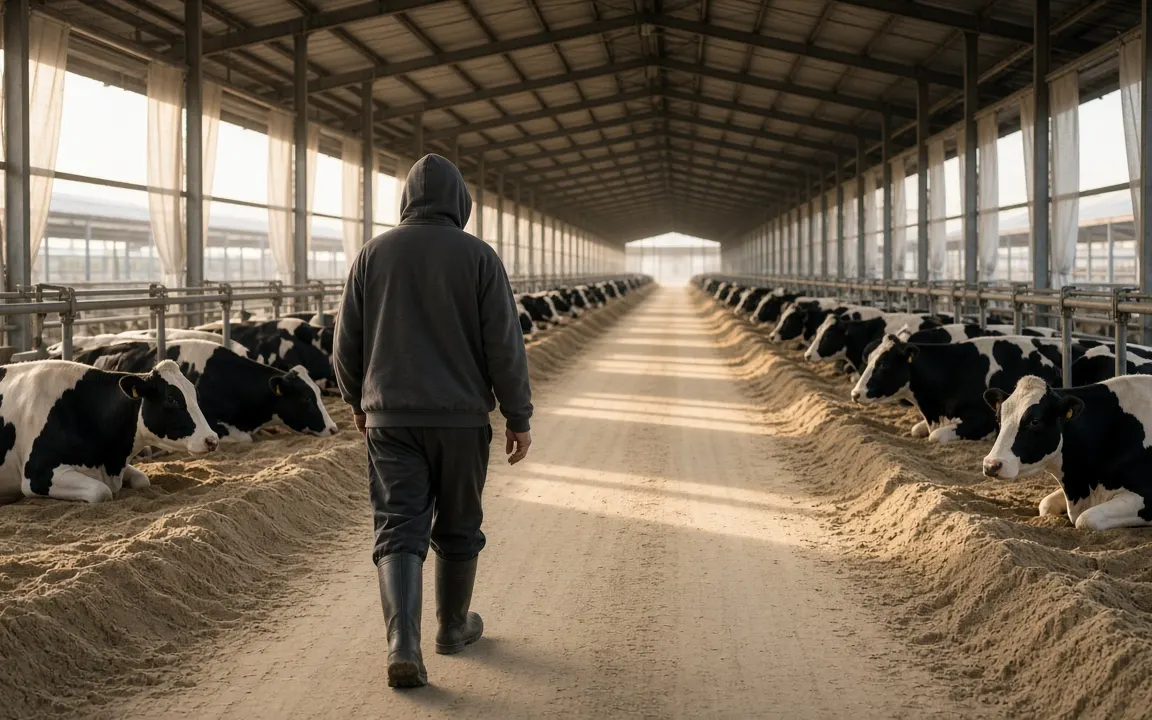
USDA's national death-loss surveys are the backbone for livestock death losses. In 2015, adult cattle and calf death loss ran at 2.2% / 6.2%[2] respectively, with dairies losing adult cows at a higher rate than beef herds. Sheep and goats lose a far larger share of their young each year, as the USDA sheep and lamb death-loss report shows. Those rates are why our polls start with the operation you run: a sheep flock and a feedlot face different volumes.
2.2% / 6.2%[2]
U.S. adult cattle death loss was 2.2% of inventory and calf death loss was 6.2% of the calf crop in 2015.
3.1% vs 1.8%[3]
Dairy operations had a 3.1% adult cattle death loss rate in 2015, compared with 1.8% on beef operations.
6.8% / 12.0%[1]
In 2019, 6.8% of U.S. sheep inventory and 12.0% of the lamb crop were lost to death; predators caused 32.6% of sheep losses and 40.1% of lamb losses.
On disposal method, the clearest published data comes from poultry. In the 2014 to 2015 bird flu outbreak, about 85%[4] of poultry carcasses were composted, according to the EPA's carcass management guidance. If our composting poll shows far lower use among cattle producers, that fits what extension services report: big animals are harder and slower to compost, and some states don't allow it.

Access and money
Answers to the renderer question tend to track geography. Only about 50%[5] of states have a plant at all, so a cluster of "never been one near us" votes is what you'd expect from the West, the Southeast or New England. Look at the operation poll alongside it to see who's answering, and check our locations pages to see how rendering coverage differs by state.
The cost poll asks what feels fair to handle one dead cow. Compare the answers with our estimate of the value lost per head, worked out from USDA's 2015 figures: about $997 per head[6]. Disposal is usually a small share of the total loss, yet it's the part people argue about most because it's a bill that arrives after the animal is already gone.
It's also worth reading the cost answers by operation type. A dairy losing cows worth well over a thousand dollars each may see a $200 rendering fee as trivial, while a sheep flock losing lambs worth far less per head may find the same fee hard to justify.
What feels like a fair price to deal with one dead adult cow?
Tap an answer to vote and see how others answered. Anonymous.
If your own quote feels high, the large-animal cost comparison lays out published ranges for each route so you can see where it sits, and our services page explains what each route includes.
Being ready
Our planning poll separates farms with a written plan from those that carry it in their heads. The distinction matters in an emergency: if the person who knows the plan is sick, away or overwhelmed, a written sheet on the shop wall still works. USDA's bird flu audits found dead-bird handling among the most common problems to fix.
If you lost a lot of animals at once, what would worry you most?
Tap an answer to vote and see how others answered. Anonymous.
If the results nudge you toward writing something down, the barn and feedlot pre-planning guide and the mortality planner are a good pair.
Families
The show-animal poll has no official counterpart: no agency counts how many 4-H steers are cremated. That's exactly why it's useful. It shows whether families lean toward private cremation, burial on the farm or treating the loss like any other, and how many simply haven't thought about it.
If a show steer, heifer or lamb your family raised died at home, what would you want?
Tap an answer to vote and see how others answered. Anonymous.
If the answers make you realize you haven't thought about it either, a short read on private versus communal cremation for livestock explains the difference, and the ashes weight estimator shows how much a steer or heifer returns. A grown animal leaves enough to share between several family members and still scatter some in the pasture.
Timing makes it harder still: when a show animal dies, it's usually during the months the child has been most involved. Having an answer ready means nobody has to decide under pressure while a truck idles in the yard.
Putting it to use
None of these results replace advice from your vet, extension agent or state animal health office. They're a way to see that other farms face the same decisions, and to spot the questions worth raising at the next county extension meeting. When you want options for your own place, send us the details.
Reader polls
Vote anonymously and see how other readers answered. The results are live counts from people who visit this site, so they show real opinions, not a scientific sample.
When an adult animal dies on your place, what usually happens to it?
Tap an answer to vote and see how others answered. Anonymous.
Do you have a written plan for a big loss, like a blizzard, heat wave or disease outbreak?
Tap an answer to vote and see how others answered. Anonymous.
Did you (or would you) compare more than one provider?
Tap an answer to vote and see how others answered. Anonymous.
Because they change as people vote. Writing a figure into the page would be out of date within days and could be mistaken for a research finding. The live board shows the current tally, and the text explains how to read it.
There's no magic number, but a poll with a handful of votes can flip on one answer. As totals climb into the hundreds, the overall shape becomes steadier. Even then, it only reflects people who visited this site, not all producers.
They help us decide what to research and explain next. If many voters say their renderer stopped coming, we'll spend more time on composting and burial rules. They never change the facts we publish, which come from USDA, state agencies and extension services.
USDA's National Agricultural Statistics Service and its Animal and Plant Health Inspection Service publish death-loss reports for cattle, sheep and goats. Our research page links the specific reports we use, including the 2015 cattle and 2019 sheep studies.
Tell us what you need and where you are. We'll reply by email with clear options and prices so you can decide in your own time.