When a farm animal dies in San Diego: your options
Livestock losses in San Diego range from a single show lamb to a barn hit by heat or disease. We lay out the routes, the rough costs and the questions to ask before anyone loads the animal.
- Rendering, compost, burial or cremation compared
- Help finding who serves your county
- Written prices before anything is loaded
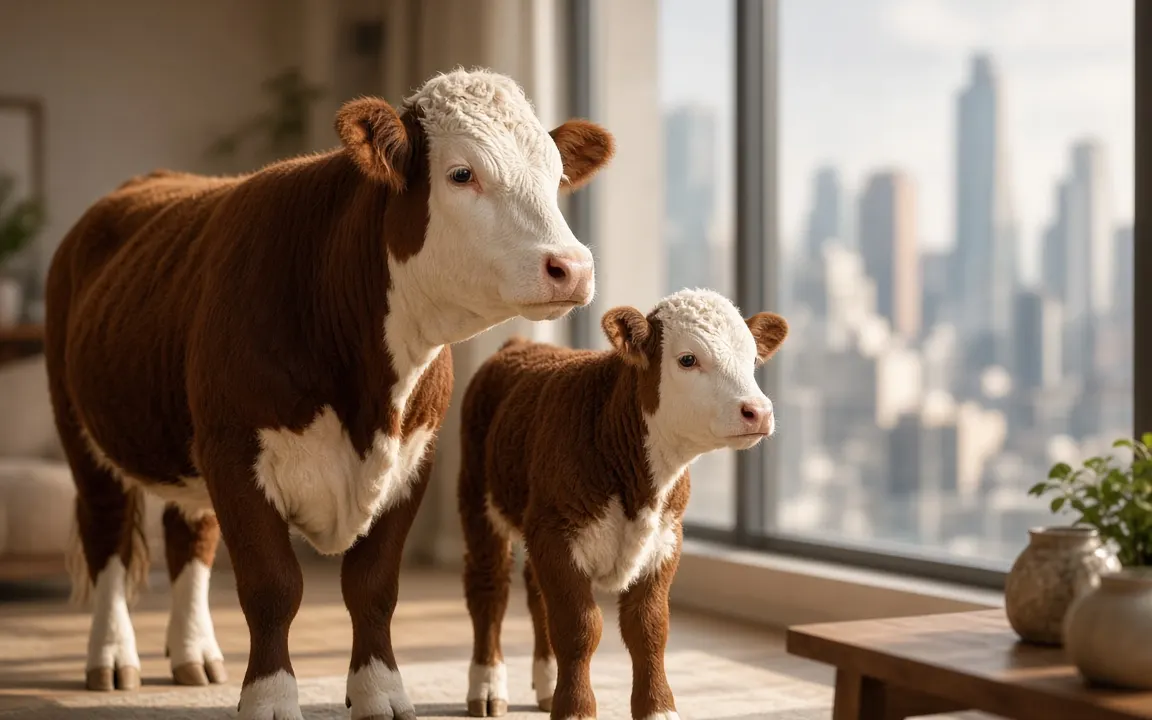
San Diego, California
What handling a livestock loss in San Diego is like
Southern California has only a small number of crematories with equipment for a horse or steer, and the drive from a backcountry ranch can be long. Some owners choose a communal cremation or rendering service, Rules on burying a large animal on your own land are set by the county, so check before digging, and get written totals for each option before you choose.
Fire season is a real concern for large-animal owners in San Diego's backcountry. Santa Ana winds in fall can drive wildfires, and evacuations can close roads for days. In summer, inland heat means any large animal lost in a hot inland pasture must be dealt with fast. Having a written plan with your vet for older animals, covering both evacuation and aftercare, is especially helpful in fire country.
If a show animal dies at a fair, an expo livestock show near San Diego or on the trailer home, the show vet and officials will usually have a procedure. Ask them to hold off on calling their dead-stock contractor until your family has decided about private cremation. Once the animal is on a rendering truck, that choice is gone. Photos, the halter and a lock of tail hair can be kept first, and most show staff will give you that time.
San Diego's population is around 1,406,106, the 2nd-largest of the 307 California communities we cover.
For a second opinion on price, Chula Vista (7 miles), Lemon Grove (7 miles) and La Mesa (9 miles) are close enough that their providers cover San Diego routinely. Two written quotes tell you more than any price list.
70.5%[1]
The NFDA projected California's cremation rate at 70.5% for 2024.
$600-$1,000[2]
Cremating a 1,000-pound horse was reported to cost about $600-$1,000, depending on location and the price of propane.
3-5% of body weight[3]
Embrace notes cremated remains typically weigh about 3-5% of the pet's original body weight.
The numbers above come from Extension Horses (eXtension national Cooperative Extension) and Embrace Pet Insurance, if you'd like to read the original sources.
Cremation habits in California, and what they mean on the farm
Cremation accounts for about 70.5%[1] of funerals across California, and with it comes a relaxed attitude to what happens to ashes afterwards. Farm families here often scatter a show animal's remains along a fence line, under the barn's shade tree or at the old home place. Because a large animal returns far more ash than a household pet, dividing it is common: some scattered, some kept, some given to the young person who raised the animal.
The California figure comes from NFDA 2024 Cremation & Burial Report state projections (via Occasional Sage) (2024). It describes people, not pets, so read it as a sign of local attitudes rather than a pet statistic.
Seasonal risks for stock and carcass handling near San Diego
Wherever you farm near San Diego, think about weather in terms of the carcass, the ground and the road. Heat shortens how long a body can wait; frost or flooding decides whether you can dig; and mud, snow or washouts decide whether a truck can reach you. Check all three before you promise anyone a pickup time.

Per-head prices for San Diego producers and families
For one large animal, the gap between routes is wide. By our estimate, composting instead of cremating saves roughly $525[4] at midpoint prices for an animal the size of a horse, which is close to a mature cow. That doesn't make composting right for a show steer the family wants back, but for routine losses around San Diego it's a real saving. USDA's disposal methods handout explains the cover material and pile temperatures involved.
The full price table by size is on our California page, and the services page explains what each option includes.

Free tool
Livestock mortality planner
Plan disposal capacity and costs for farm losses, from one animal to a herd.
Deadlines, setbacks and approved routes in California
Before you dig a pit or start a compost pile, check what California allows for your species. Some places ban composting of cattle, sheep and goats, others ban on-farm burial altogether, and most set a deadline measured in hours. A sudden death in several animals, or signs of a reportable disease, changes everything: the vet and animal health officials decide the method.
San Diego's own guidance is published by City of San Diego Get It Done; it covers public collection, which is separate from arranging a private cremation. California keeps an official directory of local governments; use it to reach the county or city office that covers San Diego.
There is no national rule for a dead animal on a US farm; each state's agriculture department or board of animal health writes its own. The common thread is a deadline, typically 24-72 hours[6], and a shrinking list of places with a renderer, roughly 50%[7] of states. In San Diego that means checking early whether a truck still runs, because if it doesn't, the choice narrows to composting, burial where the state permits it, or cremation.
Home burial and scattering are governed at the California level first; our California rules summary has the detail. Then check whether San Diego or your HOA adds anything.
Step by step after a death on the farm
- Pull over somewhere safe and check the rest of the load first. Heat, crowding or a fall can affect more than one animal.
- Call a vet near where you are, rather than only your usual practice, so someone can look at the rest of the load and tell you if continuing is safe.
- Don't unload onto the roadside without being instructed to. Animals loose on the verge are dangerous, and a carcass on a public road may require permission to move.
- Ask about the nearest approved collector or crematory along the way, or find out if the place you're headed, whether sale barn, show or processor, will take the carcass.
- Photograph the trailer and the animals, and hang on to receipts and weigh tickets, since an insurer or the buyer may raise a claim.
- Clean and disinfect the trailer before it carries live animals again.
Memorials that fit a working farm
East County, from Lakeside and Ramona to Alpine and Julian, has horse properties, small ranches, goat and sheep holdings and hobby farms, and North County has equestrian communities around Rancho Santa Fe and Bonsall. The county also has large zoo and wildlife parks. If you keep large animals in San Diego County, ask each provider whether their truck can get up a steep driveway or down a dirt road, and how far they travel.
Every option San Diego families choose between is on the services page, run the numbers with the free planning tools, the guides answer the longer questions and the blog the newer ones, or look at how readers voted in our polls. Close to San Diego we also cover San Francisco, Los Angeles, Long Beach and Sacramento; the full list for California and for the United States is a click away.

Reader polls
What would you choose?
Vote anonymously and see how other readers answered. The results are live counts from people who visit this site, so they show real opinions, not a scientific sample.
Can you still get a renderer to pick up at your farm?
Tap an answer to vote and see how others answered. Anonymous.
What feels like a fair price to deal with one dead adult cow?
Tap an answer to vote and see how others answered. Anonymous.
If you had to decide today, which aftercare would you choose for your pet?
Tap an answer to vote and see how others answered. Anonymous.

Free tools to help you plan
Livestock mortality planner
Plan disposal capacity and costs for farm losses, from one animal to a herd.

Urn size calculator
Find the urn volume you need from your pet's weight, plus keepsake and sharing options.

Horse aftercare cost comparison
Compare equine cremation, burial, rendering and composting side by side.
Questions people ask
How do California attitudes to cremation compare?
NFDA 2024 Cremation & Burial Report state projections (via Occasional Sage) (2024) puts the California human cremation rate at about 70.5%[1]. We show it on the San Diego page because pet aftercare choices tend to track it: where cremation is normal for people, communal and private pet cremation are both easy to find.
Which nearby towns can I compare with San Diego?
The closest communities we cover are Chula Vista (about 7 miles), Lemon Grove (about 7 miles) and La Mesa (about 9 miles). Providers based in those places often serve San Diego too. Ask each one for a written total that includes collection, so the distance is priced in.
What's the difference between incineration and cremation?
They use the same basic equipment. Cremation usually means one animal handled so its own remains can be returned, while incineration is disposal, often several animals at once, with nothing returned. If you want the ashes back, ask for private or individual cremation specifically and get that in writing, including how the animal is identified.
Do burial rules apply to one show animal the same as a herd?
Generally yes. Depth, cover and setbacks from wells and water apply to each burial site whether the animal was a pet or production stock. Density limits, like caps on animals per acre, matter more for larger losses. If you want something more personal than a pit, a private cremation avoids site rules and lets the ashes stay with the family.
I live in San Diego but own farmland elsewhere. Which rules apply?
The rules where the land is. Burial depth, setbacks, composting permissions and disposal deadlines follow the location of the carcass, not your home address in San Diego. Agree a plan with whoever checks the stock: who calls the renderer or excavator, who pays and where a carcass can be moved and covered until it's collected.
Can I bury a dead cow on my land in California?
In most US states, yes, with conditions on depth, soil cover, distance from wells and water, and sometimes how many animals per acre. Pennsylvania, for instance, requires a 100 ft setback[8] from wells, waters and property lines. Check your state's agriculture department before digging, and remember city or county rules can be stricter near San Diego.


Sources and our estimates
- [1] The NFDA projected California's cremation rate at 70.5% for 2024. NFDA 2024 Cremation & Burial Report state projections (via Occasional Sage), 2024.
- [2] Cremating a 1,000-pound horse was reported to cost about $600-$1,000, depending on location and the price of propane. Extension Horses (eXtension national Cooperative Extension) - Horse Disposal Options, 2019, 2019.
- [3] Embrace notes cremated remains typically weigh about 3-5% of the pet's original body weight. Embrace Pet Insurance - Bury or Cremate Your Dog? Costs, Pros & Cons, 2025.
- [4] Choosing on-farm composting instead of cremation saves a horse owner roughly $525 at midpoint prices (2012-2019 extension figures, not inflation-adjusted). Our estimate: $800 cremation midpoint - $275 composting midpoint. How we calculate.
- [5] Composting a 1,400 lb dairy cow would need roughly 14-16.8 cubic yards of cover material. Our estimate: 1.4 x (10 to 12 cu yd per 1,000 lb). How we calculate.
- [6] State rules commonly require dead animals to be buried within 24 to 72 hours of death, especially when euthanized. Cornell Waste Management Institute & Penn State - Horse Mortality: Carcass Disposal Alternatives (2012), 2012.
- [7] Only about 50% of U.S. states have rendering plants, most of them concentrated in the Midwest. Extension Horses (eXtension national Cooperative Extension) - Horse Disposal Options, 2019, 2019.
- [8] Pennsylvania on-farm burial requires at least 2 feet of soil cover, 2 feet of clearance above bedrock and the seasonal high water table, and at least 100 feet from wells, sinkholes, waters and property lines (200 feet recommended). Penn State Extension - Livestock and Poultry Mortality Disposal in Pennsylvania (J. Craig Williams, updated Oct 2025), 2025.
Get cremation or pickup prices for San Diego
Tell us what you need and where you are. We'll reply by email with clear options and prices so you can decide in your own time.