Grief after losing a livestock animal: why it hurts, and what helps
Grieving a cow, goat, sheep or show animal is normal, even on a working farm. In one large UK study, 7.5%[1] of people bereaved of an animal developed prolonged grief, close to the rate after losing a close friend. You don't need anyone's permission to feel it.
By the Livestock Cremation Services editorial team · Updated September 24, 2026 · 5 min read · Sources
- Why farm grief often goes unspoken
- Helping children who raised or showed the animal
- Simple rituals that fit farm life
The short answer
Is it normal to grieve a farm animal this much?
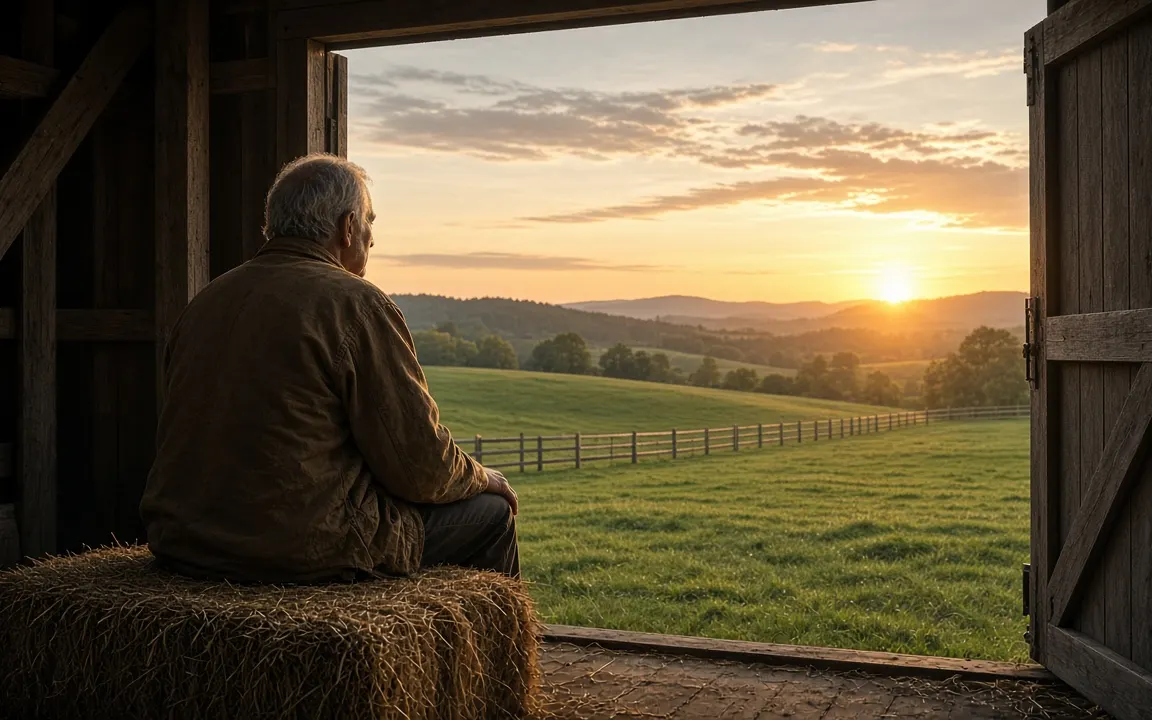
Yes. The animals people grieve on farms are rarely random. It's the cow you pulled as a calf in a February blizzard, the bottle lamb that followed you to the mailbox, the goat who unlatched every gate, the steer your son walked every evening for a year. You spent time with them daily. You knew their habits. Losing that is a real loss, whatever the animal was raised for.
Research on pet loss, which is where most of the evidence sits, shows how serious that grief can be. In a 2026 UK study published in PLOS ONE, 7.5%[1] of people whose bereavement was an animal met the criteria for prolonged grief, a rate close to losing a close friend. In the RSPCA's survey of over 4,000 bereaved owners, 66.9%[2] were surprised by how intense it was.
What you might notice
What does grief for a farm animal feel like?
It often shows up in routine. You walk to the stall at feeding time. You look for the animal in the herd before you remember. In the UK survey, 72.6% of bereaved owners said they lost their daily routine or sense of purpose[5], and many had trouble sleeping or concentrating. On a farm, where the routine is the whole day, that can hit hard.
- Guilt, especially if you wonder whether you missed a sign or called the vet too late.
- Anger at the weather, the disease, the neighbor's dog or yourself.
- Numbness, then sudden waves at odd moments, like hearing a gate latch.
- Tiredness that doesn't match the work you've done.
- Dread at the idea of raising another animal like that one.
Guilt is the one to watch. Farm deaths are often sudden or involve a hard decision, and it's easy to replay them. If it helps, ask your vet to walk you through what happened. Many livestock deaths aren't obvious even to experienced stockmen: unknown causes were the second most common reason US adult cattle died in 2015, behind only respiratory disease[6].
Kids and 4-H
How do you help a child who raised the animal?
For many farm kids, the first real grief is an animal: a bottle calf, a show lamb, a 4-H steer. Parents often feel unsure how to handle it. In the UK survey, 93.4%[7] of parents wanted better guidance on helping children through pet loss.
- Be honest and simple. Say the animal died and, if you know, why. Avoid phrases like "put to sleep" with young children.
- Let them take part. Choosing a keepsake, helping pick a burial spot or deciding what to do with the ashes gives a child some control.
- Keep something tangible. A halter, ear tag, braid of tail hair or ribbon from the fair.
- Talk about the animal. Tell the funny stories. Grief isn't only sadness.
- Explain the difference between market animals and this animal, if they're confused about why one death feels different from another.
If the animal was a project for the fair, our article on what to do when a show animal dies covers the practical side, from the extension office to cremation. Our reader poll results include what other families say they would want for a show animal, which can be a gentle way into the conversation.
If a show steer, heifer or lamb your family raised died at home, what would you want?
Tap an answer to vote and see how others answered. Anonymous.
Small things that help
What rituals help farm families say goodbye?
Rituals don't need to be formal. They just need to mark the loss. Farm families have plenty of their own:
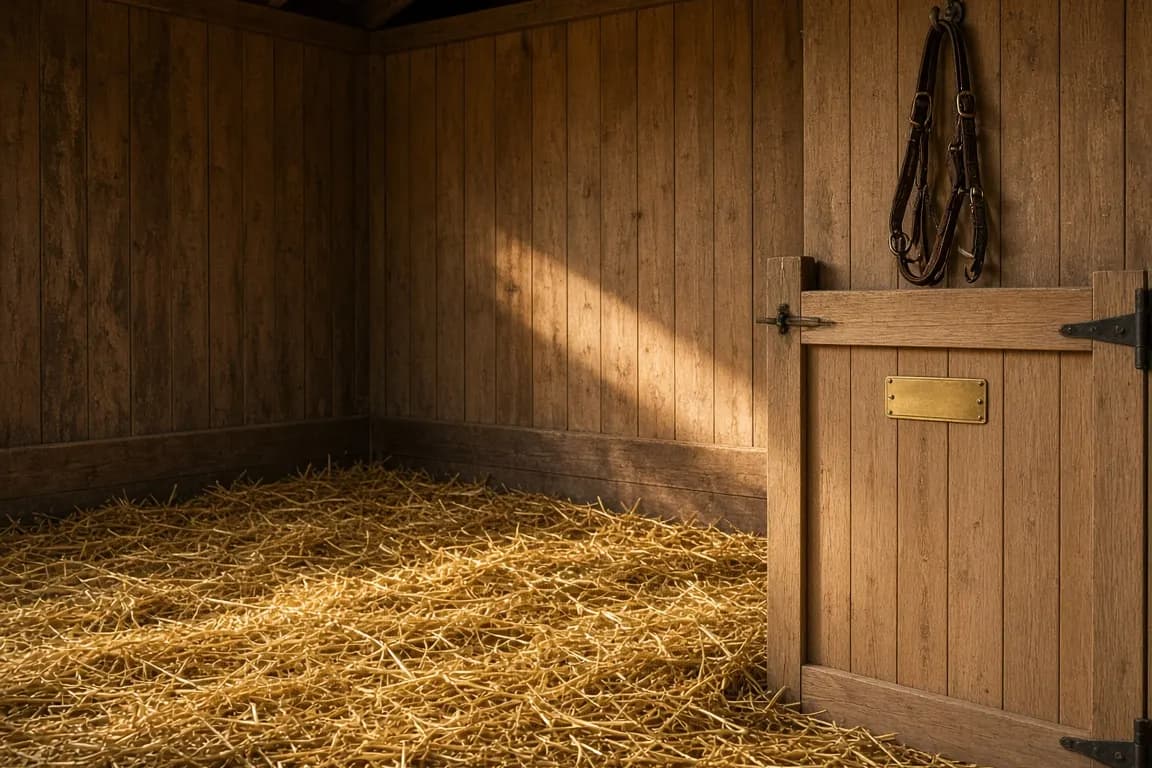
- Hanging the halter and nameplate in the barn where the animal lived.
- Planting a tree at the pasture gate, sometimes over a share of the ashes.
- Scattering ashes along a favorite fence line or in the creek pasture.
- A photo with the ribbons in a shadow box.
- Saying a few words together at the burial site or when the ashes come home.
- Writing the animal's story in the back of the herd book or the 4-H record book.
If you'd like the ashes back, private cremation is the only way; our article on what happens during livestock cremation explains the process. The memorial budget planner helps you keep cremation, urn and keepsakes to a figure that feels right.

Free tool
Memorial budget planner
Add up cremation, urn, keepsakes and a farewell so the total holds no surprises.
When it's heavy
Where can you find support?
Most people find grief eases with time, routine and someone who understands. Talk to people who've been there: other ranchers, your 4-H club, the vet. Tufts University runs a volunteer pet loss helpline that costs nothing to call[8]. By our estimate, roughly 850,000 bereaved US pet households a year[9] may not find the grief support they need, so if you feel alone with this, you have plenty of company. Farm crisis lines and state farm stress programs exist in many areas and know that a loss of an animal can be part of a bigger strain.
If a large loss, like a barn fire or a disease depopulation, has hit the whole farm, the grief is often shared by the crew as well. Our staff briefing guide includes ways to look after workers afterwards. If you're struggling to function weeks later, talk to your doctor; that's what they're there for.
When you're ready to think about arrangements, our services page explains every option, or tell us about the animal and we'll email you gentle, practical choices near you. If you plan to bury the animal on your land, our locations pages cover the rules where you live.

Reader polls
What would you choose?
Vote anonymously and see how other readers answered. The results are live counts from people who visit this site, so they show real opinions, not a scientific sample.
If a show steer, heifer or lamb your family raised died at home, what would you want?
Tap an answer to vote and see how others answered. Anonymous.
What helped you most in the first weeks?
Tap an answer to vote and see how others answered. Anonymous.
Compared with losing a person, losing your pet felt...
Tap an answer to vote and see how others answered. Anonymous.


Questions people ask
Is it silly to grieve a cow or a goat?
No. Grief follows attachment, not species. If you cared for an animal daily, knew its personality and it trusted you, losing it is a real loss. Research on animal bereavement finds grief rates close to those after losing a friend. Farm culture may not talk about it much, but the feeling is common.
How long does grief for a farm animal last?
It varies. Many people find the sharpest feelings ease within weeks to a few months, especially as routines change. Some people grieve longer; one US study found nearly one in three pet owners grieved for six months or more. If you're still struggling to sleep, eat or work after months, talk to a doctor or counselor.
Should my child see the dead show animal?
If they want to, and the animal's condition allows it, seeing the animal can help a child accept the death and say goodbye. Prepare them for what they'll see and stay with them. Never force it. Children who choose not to can say goodbye another way, such as writing a note or keeping the halter.
Is it wrong to get another animal soon after?
No. On a farm the work often requires it, and a new calf or lamb doesn't replace the one you lost. Some families find a new animal helps; others need time. With children, let them decide when they're ready to raise another project animal, and don't pressure them to pick the same species.
How can I remember a livestock animal without cremation?
Keep a halter, ear tag, bell or braid of tail hair, frame a photo with the animal's ribbons, plant a tree at a favorite spot or name a pasture after them. These cost little and can be done alongside any disposal route, as long as keepsakes are taken before the animal leaves the farm.

Sources and our estimates
- [1] 7.5% of UK adults whose bereavement was the death of a pet met criteria for prolonged grief disorder (PGD). Hyland et al., 'No pets allowed: Evidence that prolonged grief disorder can occur following the death of a pet', PLOS ONE (2026), 2026.
- [2] 66.9% of respondents were surprised by how intense their grief was after losing a pet. RSPCA — Pet Loss Survey Results, 2026.
- [3] 34.5% of bereaved pet owners were told 'it's just a pet'. RSPCA — Pet Loss Survey Results, 2026.
- [4] 57.1% felt they had to hide their grief after a pet died, and 57.8% perceive stigma around pet loss. RSPCA — Pet Loss Survey Results, 2026.
- [5] After losing a pet, 72.6% lost their daily routine or sense of purpose, 69.8% had trouble concentrating and 65.9% had sleep problems. RSPCA — Pet Loss Survey Results, 2026.
- [6] Respiratory problems were the leading nonpredator cause of adult cattle deaths (23.9%), followed by unknown causes (14.0%) and old age (11.8%). USDA APHIS NAHMS - Death Loss in U.S. Cattle and Calves Due to Predator and Nonpredator Causes, 2015 (published Dec 2017), 2015.
- [7] 93.4% of parents in the RSPCA survey wanted better guidance on helping children through pet loss. RSPCA — Pet Loss Survey Results, 2026.
- [8] Tufts University's Pet Loss Support Helpline (508-839-7966) is free and volunteer-staffed, 6–9 pm ET Monday to Thursday, with 24-hour voicemail. Tufts Cummings School of Veterinary Medicine, 2026.
- [9] Roughly 850,000 bereaved U.S. pet households a year may not find the grief support they need. Our estimate: 1.5M pet cremations x 56.7% couldn't find support. How we calculate.
Arrange a gentle goodbye for your animal
Tell us what you need and where you are. We'll reply by email with clear options and prices so you can decide in your own time.