Livestock Disposal & Cremation in Aichi
If the animal mattered as more than a production loss, the first call you make decides whether ashes can come home. Here's how to plan it calmly and in the right order.
- Time limits you need to know
- Pickup points that protect your herd
- Keepsakes from halters to ear tags
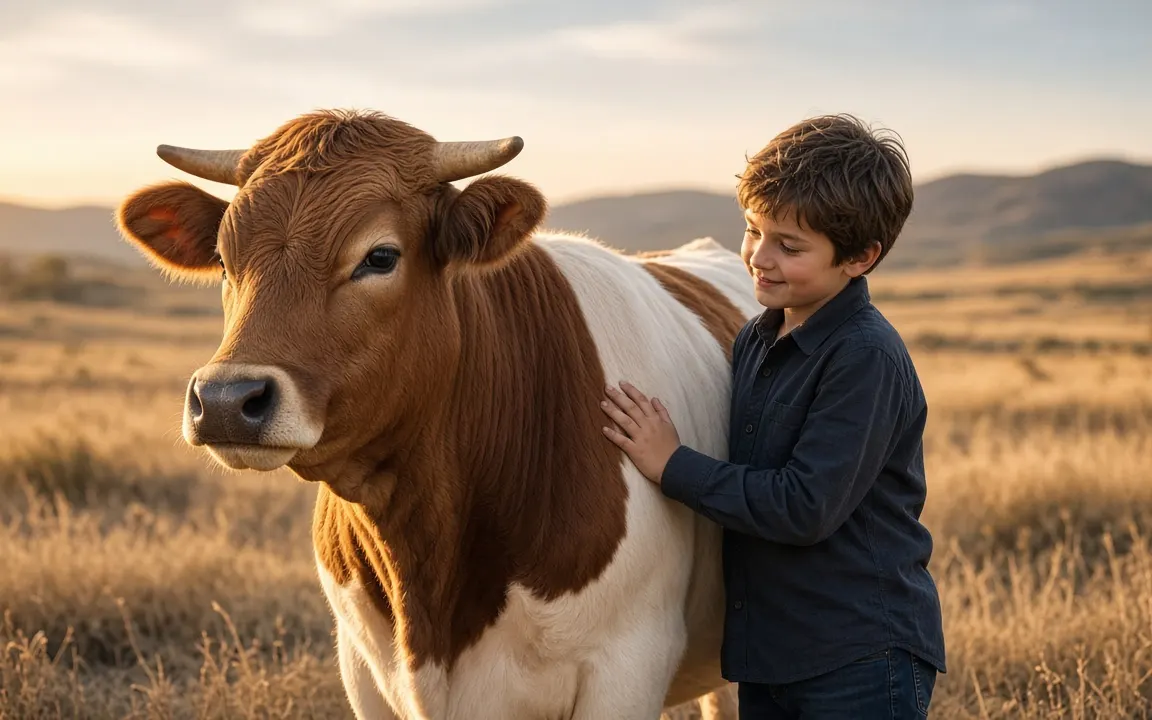
Aichi, Japan
Livestock Disposal & Cremation in Aichi: what to know
Records and reporting are part of livestock aftercare in Aichi. Official ear tags, herd registers and, in a disease event, reports to animal health officials all follow the carcass. Whichever route you use, keep the date, tag number and collector's ticket together. It protects you in an audit, an insurance claim or a dispute with a buyer, and it shows you where losses are creeping up.
Disease events change the rules overnight. If a reportable disease such as bird flu is suspected anywhere in Aichi, animal health officials decide how carcasses are handled, and moving them off the farm without permission can make things worse. For routine losses, though, you choose the route, and a little planning keeps costs down and the herd safe.
We cover 1 community in Aichi, from Nagoya.

Every Aichi community we cover
Choose your city or town for local prices, weather and timing, and rules. 1 communities in Aichi, largest first below.
Cremation habits in Aichi, and what they mean on the farm
In Aichi, about 99.97%[1] of people are cremated, one of the higher rates around. That doesn't make large-animal crematories common, since they need space, permits and big equipment, but it does mean nobody will think a request for private cremation of a heifer or a pet pig is unusual. It's reasonable to ask a provider exactly how your animal is identified and whether it's cremated alone.
Cremation Society of Great Britain, International Cremation Statistics 2023 (2023) publishes the Aichi rate we quote. Read it as the local custom around cremation rather than as pet data.
Where the money goes when stock die near Aichi
In many Asian cities the practical question is capacity rather than price: few crematoria accept anything larger than a big dog, and fewer still a farm animal. If a pet goat, a pot-bellied pig or a backyard flock dies near Aichi, ask two or three pet crematoria for their weight limit before asking what they charge. Commercial losses go to licensed collectors, whose fees are set under local rules.
Livestock farming around many Asian cities is limited and closely regulated, and fallen stock usually goes through licensed rendering or incineration facilities rather than on-farm burial. We haven't found published prices for the region, so the table shows US benchmarks per pound to explain how the routes compare. Your local veterinary authority is the best first call in Aichi.
| Route | Approximate cost | Ashes back? |
|---|---|---|
| Rendering pickup | about $0.14 per lb | No |
| Composting | about $0.23 per lb[2] | No |
| Incineration | about $0.75 per lb | No |
| Private cremation | $0.80/lb[3] at the equine midpoint | Yes |
| Source | Extension Horses: disposal options | US figures for comparison, not local prices |

Free tool
Livestock mortality planner
Plan disposal capacity and costs for farm losses, from one animal to a herd.
What Aichi allows for dead stock
The rules in Aichi usually leave the choice of route to you, as long as the method is lawful and done in time. What they won't tolerate is a carcass left in a creek, dragged into a woodlot or burned in a heap. If you're short of time or equipment, a paid collection is always a legal fallback, and it's far better than a shortcut that could bring a fine or a neighbor's complaint.
In Japan, livestock carcasses are handled through licensed rendering and incineration facilities, and disease control rules are strict, especially for pigs and poultry. Larger livestock farms are expected to plan land for emergency burial in an outbreak. For a pet goat, pig or bird, many pet funeral providers offer individual cremation; ask what weight they can accept and whether ashes are returned.
A calm checklist for Aichi farms and families
- Take a breath. Even on a working farm, losing a favorite animal hurts. The first hour is for safety and the family, not paperwork.
- Keep the carcass cool and covered, out of summer sun and clear of any path water takes across the ground.
- Ask the family what they'd like, before phoning a collector; after that there's no changing course.
- Get two quotes where time allows, a renderer or collector on one side and a large-animal crematory on the other.
- Check the rules for burial or composting on your ground, including depth and distance from wells and creeks.
- Arrange the goodbye you want, be it a grave along the pasture fence where the rules permit, a private cremation, or nothing more than a collection from the roadside.
Marking the loss, on the farm or in town
Hides and horns are traditional farm keepsakes. A tannery can process a steer's hide or a sheepskin, and a cleaned skull or set of horns can be mounted. These have to be arranged before any cremation or rendering, and may not be possible if disease was involved. Ask the provider whether they can hold the animal while a hide is taken off, or whether you'd need a separate processor first.
Next: see what each choice includes on services, run your own numbers in the tools, check the poll results, or pick another area from all locations.

Reader polls
What would you choose?
Vote anonymously and see how other readers answered. The results are live counts from people who visit this site, so they show real opinions, not a scientific sample.
Can you still get a renderer to pick up at your farm?
Tap an answer to vote and see how others answered. Anonymous.
When an adult animal dies on your place, what usually happens to it?
Tap an answer to vote and see how others answered. Anonymous.
If you had to decide today, which aftercare would you choose for your pet?
Tap an answer to vote and see how others answered. Anonymous.

Free tools to help you plan
Livestock mortality planner
Plan disposal capacity and costs for farm losses, from one animal to a herd.

Urn size calculator
Find the urn volume you need from your pet's weight, plus keepsake and sharing options.

Horse aftercare cost comparison
Compare equine cremation, burial, rendering and composting side by side.
Questions people ask
Can a pet crematorium take a goat or pig in Aichi?
Often, for smaller animals. Many pet crematoria can cremate a goat, a small pig, poultry or a lamb individually and return the ashes. Mature cattle or large pigs are much harder, as few providers have the equipment. Ask about the weight limit, how the animal will be collected and whether the price includes the container for the ashes.
What if several pigs or birds die suddenly in Aichi?
Keep the rest of the herd or flock away, don't move the carcasses and call a vet or the veterinary authority the same day. Bird flu and swine fever are reportable in most countries, and the authorities decide how carcasses are handled if disease is confirmed. For routine losses, your usual collector or approved route applies.
How many communities do you cover in Aichi?
We have local livestock aftercare guides for 1 communities in Aichi, including Nagoya. Each page covers local weather and timing, the rough cost of each route, rules worth checking and how pickup usually works there, including notes for show families and hobby farms near bigger cities.
Who do I contact when livestock die in Aichi?
Start with a local vet or the national veterinary authority, especially for pigs and poultry where bird flu and swine fever are concerns. Licensed collectors, rendering or incineration facilities handle most disposal. For a pet goat, pig or bird where the family wants ashes back, ask a pet crematorium what weight it can accept.
Can I get a show animal's ashes back in Aichi?
Yes, through a private cremation with a provider that has large-animal equipment. The animal is cremated alone and the ashes returned, roughly 3-5% of body weight[5]. Book it before any routine collection is called, since rendering can't be undone. Providers may be a drive away, so ask about pickup and mileage.

Sources and our estimates
- [1] In 2023, 99.97% of deaths in Japan were cremated (1364 crematoria). Cremation Society of Great Britain, International Cremation Statistics 2023, 2023.
- [2] Horse rendering costs about $0.14 per pound and composting about $0.23 per pound, both well below incineration at $0.75 per pound, and composting is comparable to a biodigester at $0.25 per pound. Our estimate: $275 / 1,200 lb (composting); $137.50 / 1,000 lb (rendering); $0.25 and $0.75 per lb from extension. How we calculate.
- [3] Midpoint horse cremation cost works out to about $0.80 per pound of body weight, versus about $0.14 per pound for rendering pickup and $0.23 per pound for on-farm composting. Our estimate: cremation $800 / 1,000 lb; rendering $137.50 / 1,000 lb; composting $275 / 1,200 lb. How we calculate.
- [4] About 10,630 U.S. cattle and calves died every day in 2015. Our estimate: 3,880,000 / 365. How we calculate.
- [5] Embrace notes cremated remains typically weigh about 3-5% of the pet's original body weight. Embrace Pet Insurance - Bury or Cremate Your Dog? Costs, Pros & Cons, 2025.
Get cremation or pickup prices for Aichi
Tell us what you need and where you are. We'll reply by email with clear options and prices so you can decide in your own time.