Livestock Disposal & Cremation in Japan
If the animal mattered as more than a production loss, the first call you make decides whether ashes can come home. Here's how to plan it calmly and in the right order.
- Honest options for city and farm readers
- Ashes returned for 4-H and FFA animals
- Local options sent to you by email
Japan
Livestock Disposal & Cremation in Japan: what to know
Livestock rules in Japan are usually set nationally for disease control and often regionally for burial, composting and water protection, so two farms in the same country can face different options. This page gives the national picture and the cost benchmarks we can source, and each city page adds weather, access and local notes.
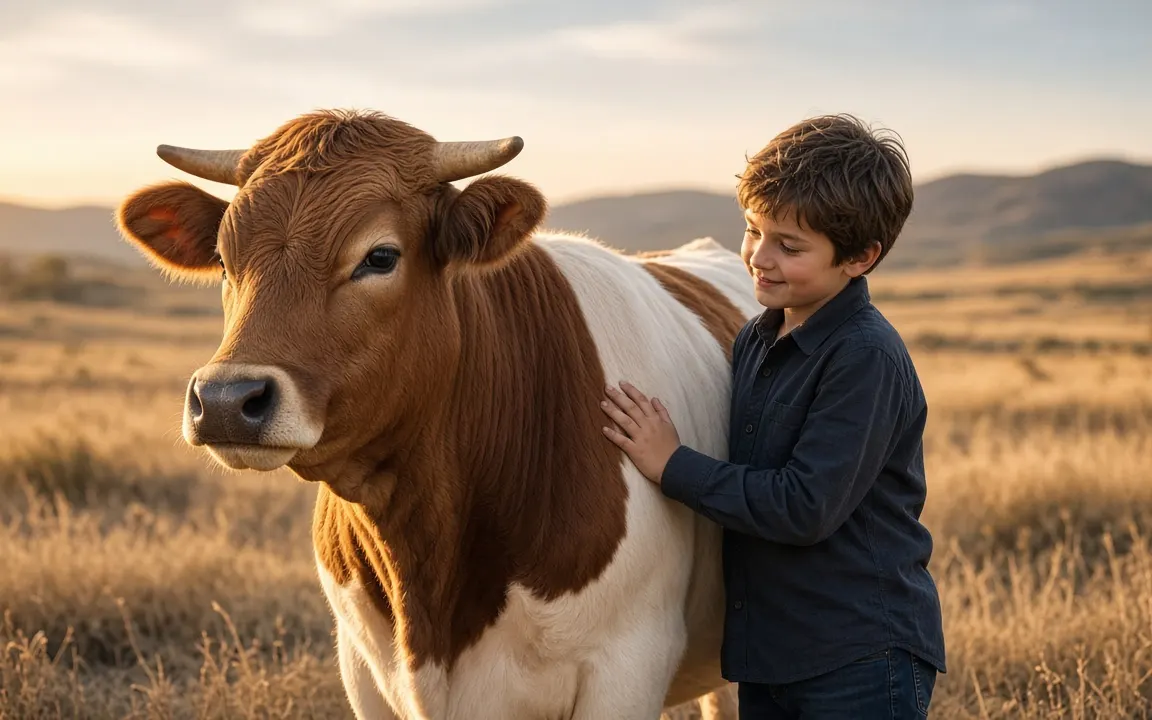
In Japan, most production losses go through a routine route, whether that's a collector, a renderer or burial on the farm where it's permitted. Show animals, pet pigs and goats and family cows are the exception: more families now ask for a private cremation. That needs a provider with large-animal equipment, so it's worth finding one before you need it.
We cover 18 communities in Japan, from Tokyo, Yokohama and Osaka to smaller towns.

Browse Japan by region
Pick your state or region to see every community we cover there, or jump straight to one of the largest cities.
Local attitudes to cremation and burial
Around 99.97%[1] of the population of Japan is cremated at death, yet on most working farms here only a handful of animals ever get a private cremation. The rest go to rendering, compost or burial as routine. Some families find it helps to agree in advance which animals would be the exception: the old cow who raised a dozen calves, a child's pet goat, the ram everyone knew by name. Settling that on a calm day spares an argument at the barn door.
The cremation figure for Japan comes from Cremation Society of Great Britain, International Cremation Statistics 2023 (2023). It counts people, not pets, so treat it as a guide to local attitudes rather than a pet statistic.
Budgeting per animal and per year in Japan
If you keep a goat, a pig or poultry in Japan as a pet or for a school or hobby farm, a pet crematorium may be able to take smaller animals individually. Large animals are much harder: few providers have the equipment. Ask what weight they can handle, how the animal will be collected and what the total price includes.
Where swine fever or bird flu is present, disposal near Japan may be free or subsidized for farms under an official response, but only if the loss is reported and handled through the authorities. Moving or cremating carcasses privately in that situation can break the law. For a pet animal with no disease concern, individual cremation is paid privately, so ask exactly what the price covers.
| Route | Approximate cost | Ashes back? |
|---|---|---|
| Rendering pickup | about $0.14 per lb | No |
| Composting | about $0.23 per lb[2] | No |
| Incineration | about $0.75 per lb | No |
| Private cremation | $0.80/lb[3] at the equine midpoint | Yes |
| Source | Extension Horses: disposal options | US figures for comparison, not local prices |

Free tool
Livestock mortality planner
Plan disposal capacity and costs for farm losses, from one animal to a herd.
The legal side of dead stock in Japan
Before you dig a pit or start a compost pile, check what Japan allows for your species. Some places ban composting of cattle, sheep and goats, others ban on-farm burial altogether, and most set a deadline measured in hours. A sudden death in several animals, or signs of a reportable disease, changes everything: the vet and animal health officials decide the method.
In Japan, livestock carcasses are handled through licensed rendering and incineration facilities, and disease control rules are strict, especially for pigs and poultry. Larger livestock farms are expected to plan land for emergency burial in an outbreak. For a pet goat, pig or bird, many pet funeral providers offer individual cremation; ask what weight they can accept and whether ashes are returned.
What to do when livestock die in Japan
- Check the animal is dead and that nobody is at risk from a loader, a stressed herd or a steep bank before you approach.
- Photograph the scene when the death seems odd, and jot down the weather and what it had to eat and drink; a vet or insurer may want it.
- Separate the carcass from live animals and from water, then put a cover over it so dogs and birds can't reach it.
- Look up your deadline for disposal and plan backwards from it, especially in hot weather.
- Book the route that fits: a renderer's pickup, a compost pile, a legal burial site or a crematory for a show or family animal.
- Clean up and disinfect equipment and boots used to move the carcass before going back to the herd.
Marking the loss, on the farm or in town
If you composted or buried the animal, the place itself can be a memorial. A stone at the edge of the field, a tree planted on the compost site once it's finished, or a note in the herd book with the animal's story are simple, lasting ways to remember a cow that raised generations of calves.
Next: see what each choice includes on services, run your own numbers in the tools, check the poll results, or pick another area from all locations.

Reader polls
What would you choose?
Vote anonymously and see how other readers answered. The results are live counts from people who visit this site, so they show real opinions, not a scientific sample.
Can you still get a renderer to pick up at your farm?
Tap an answer to vote and see how others answered. Anonymous.
When an adult animal dies on your place, what usually happens to it?
Tap an answer to vote and see how others answered. Anonymous.
If you had to decide today, which aftercare would you choose for your pet?
Tap an answer to vote and see how others answered. Anonymous.

Free tools to help you plan
Livestock mortality planner
Plan disposal capacity and costs for farm losses, from one animal to a herd.

Urn size calculator
Find the urn volume you need from your pet's weight, plus keepsake and sharing options.

Horse aftercare cost comparison
Compare equine cremation, burial, rendering and composting side by side.
Questions people ask
How many communities do you cover in Japan?
We have local livestock aftercare guides for 18 communities in Japan, including Tokyo, Yokohama and Osaka. Each page covers local weather and timing, the rough cost of each route, rules worth checking and how pickup usually works there, including notes for show families and hobby farms near bigger cities.
Can I get a show animal's ashes back in Japan?
Yes, through a private cremation with a provider that has large-animal equipment. The animal is cremated alone and the ashes returned, roughly 3-5% of body weight[4]. Book it before any routine collection is called, since rendering can't be undone. Providers may be a drive away, so ask about pickup and mileage.
Can a pet crematorium take a goat or pig in Japan?
Often, for smaller animals. Many pet crematoria can cremate a goat, a small pig, poultry or a lamb individually and return the ashes. Mature cattle or large pigs are much harder, as few providers have the equipment. Ask about the weight limit, how the animal will be collected and whether the price includes the container for the ashes.
What if several pigs or birds die suddenly in Japan?
Keep the rest of the herd or flock away, don't move the carcasses and call a vet or the veterinary authority the same day. Bird flu and swine fever are reportable in most countries, and the authorities decide how carcasses are handled if disease is confirmed. For routine losses, your usual collector or approved route applies.
Who do I contact when livestock die in Japan?
Start with a local vet or the national veterinary authority, especially for pigs and poultry where bird flu and swine fever are concerns. Licensed collectors, rendering or incineration facilities handle most disposal. For a pet goat, pig or bird where the family wants ashes back, ask a pet crematorium what weight it can accept.

Sources and our estimates
- [1] In 2023, 99.97% of deaths in Japan were cremated (1364 crematoria). Cremation Society of Great Britain, International Cremation Statistics 2023, 2023.
- [2] Horse rendering costs about $0.14 per pound and composting about $0.23 per pound, both well below incineration at $0.75 per pound, and composting is comparable to a biodigester at $0.25 per pound. Our estimate: $275 / 1,200 lb (composting); $137.50 / 1,000 lb (rendering); $0.25 and $0.75 per lb from extension. How we calculate.
- [3] Midpoint horse cremation cost works out to about $0.80 per pound of body weight, versus about $0.14 per pound for rendering pickup and $0.23 per pound for on-farm composting. Our estimate: cremation $800 / 1,000 lb; rendering $137.50 / 1,000 lb; composting $275 / 1,200 lb. How we calculate.
- [4] Embrace notes cremated remains typically weigh about 3-5% of the pet's original body weight. Embrace Pet Insurance - Bury or Cremate Your Dog? Costs, Pros & Cons, 2025.
Ask about a show animal's cremation
Tell us what you need and where you are. We'll reply by email with clear options and prices so you can decide in your own time.