Dead stock, show animals and cremation in Birmingham
If the animal mattered as more than a production loss, the first call you make decides whether ashes can come home. Here's how to plan it calmly and in the right order.
- Rendering, compost, burial or cremation compared
- Help finding who serves your county
- Written prices before anything is loaded
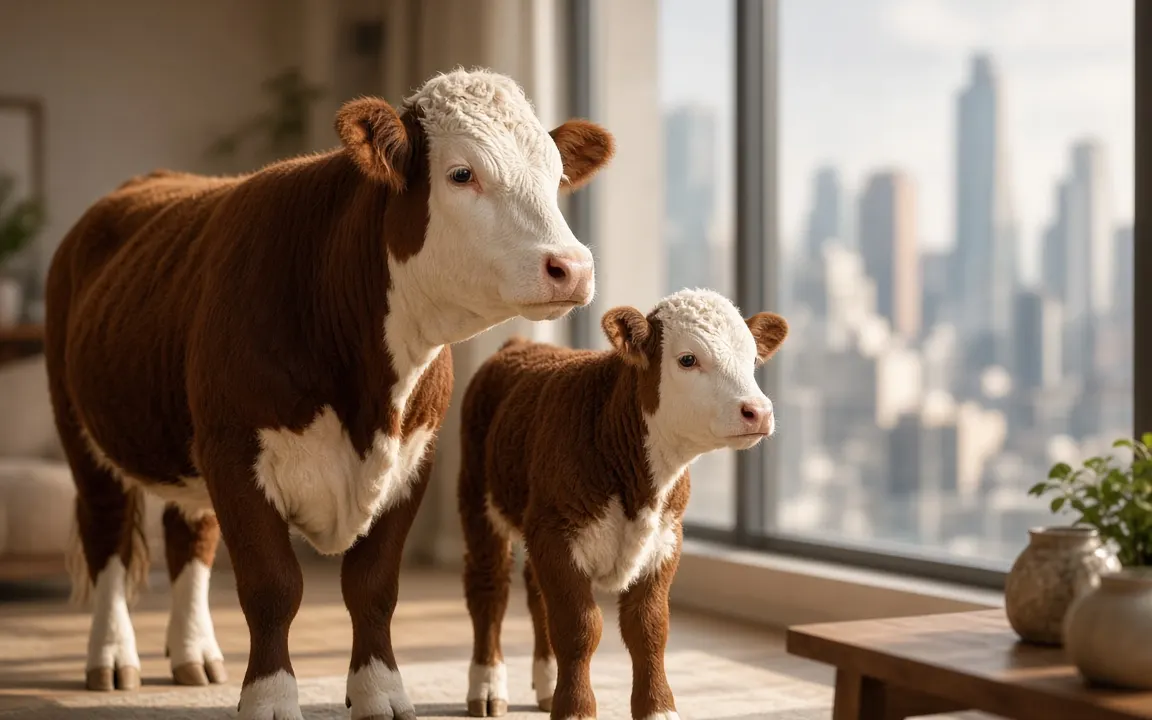
Birmingham, England
What handling a livestock loss in Birmingham is like
Owners of horses, cattle, sheep, goats or pigs around Birmingham often want a lasting reminder even when individual cremation of such a large animal is too costly. A plait of tail hair, a clip of fleece, an ear tag, a bell or a headcollar nameplate can be turned into jewellery or a framed keepsake. Yards and smallholdings sometimes hold a small farewell for an animal many people knew, and it is fine to ask the driver to wait.
Few large animals live inside Birmingham itself, but Warwickshire, Worcestershire and Staffordshire begin close by, with livery yards, dairy and beef farms, sheep flocks and smallholdings around the green belt, plus city farms and sanctuaries keeping goats, pigs and donkeys closer in. For any of them you will usually deal with a regional collection or cremation service. Ask how far they travel and whether they offer individual cremation or disposal only.
Getting a 1,000 lb animal out of a tight property in a large city takes planning. The provider's truck has to reach it, a winch or skid steer may be needed, and narrow gates or soft ground can stop a trailer. Tell the provider the weight, the access and whether the animal is in a barn, a pen or a field. Metro traffic also means pickup windows can be wide, so cover the carcass and keep it shaded while you wait.
About 1,149,000 people live in Birmingham, which makes it the 2nd-largest of the 33 England communities we cover.
Our pages for Coventry (17 miles), Leicester (33 miles) and Cheltenham (41 miles) describe the same choices from those towns' point of view, and the providers overlap, so a quote from one often covers Birmingham as well.
83.0%[1]
In 2024, 83.0% of deaths in England & Wales ended in cremation.
$600-$1,000[2]
Cremating a 1,000-pound horse was reported to cost about $600-$1,000, depending on location and the price of propane.
3-5% of body weight[3]
Embrace notes cremated remains typically weigh about 3-5% of the pet's original body weight.
Sources for the statistics above: Extension Horses (eXtension national Cooperative Extension) and Embrace Pet Insurance.
Local attitudes to cremation and burial
Cremation is the norm for people in England: about 83.0%[1] of those who die there are cremated. That familiarity carries over to the farm, especially for show animals and family cows. Families here rarely feel they need to explain wanting a steer's ashes home. For production losses the decision is practical rather than sentimental, and the question is simply which route, rendering, compost, burial or incineration, is available and legal on your ground.
For the England figure we rely on Federation of Burial and Cremation Authorities (FBCA) death & cremation statistics (2024). Read it as a picture of local custom around death and remembrance in Birmingham rather than as pet data.
Seasonal risks for stock and carcass handling near Birmingham
Without detailed weather records for Birmingham, the safest approach is to ask two local people: a large-animal vet and whoever collects carcasses nearby. Between them they'll know when the ground freezes, when the heat starts to bite and which months bring the most losses. Write their answers down and plan your year around them.

Per-head prices for Birmingham producers and families
Fallen-stock charges in the UK are set by each collector and usually depend on the kind of animal, its weight, the distance travelled and any BSE sampling. Where cattle need testing, the collector must be told within 24 hours and the animal delivered for sampling within 72[4], and that can add a separate charge. GOV.UK's fallen stock guidance lists the approved routes. Ask collectors near Birmingham how testing affects the bill and whether sheep, goats and calves are priced per head or by weight.
The full price table by size is on our England page, and the services page explains what each option includes.

Free tool
Livestock mortality planner
Plan disposal capacity and costs for farm losses, from one animal to a herd.
What England allows for dead stock
Record-keeping rules in England may apply alongside disposal rules. Cattle, sheep, goats and pigs often carry official IDs, and a death may need to be reported to a traceability system or noted in a herd register within a set time. Keep the tag number, date and route for every animal. It's the same information an insurer or auditor would ask for, and it takes a minute to jot down in the barn.
For what Birmingham itself says, see Birmingham City Council. Its pages cover municipal collection; a private cremation is arranged separately.
In the UK, fallen farm stock can't be buried or burned on the farm; England has a ban on livestock burial[6]. There are 5 approved routes[7] in England: knackers, hunt kennels, maggot farms, incinerators and renderers, and the National Fallen Stock Company organizes collections for members. Pet animals, including a pet pig or goat, are treated differently and can be cremated individually at a pet crematorium that takes large animals.
The rules that apply across England (home burial, scattering and who oversees pet cremation) are summarized on our England page. Birmingham may add its own conditions, so check with the city or county before digging.
A calm checklist for Birmingham farms and families
- Check the animal is dead and that nobody is at risk from a loader, a stressed herd or a steep bank before you approach.
- Photograph the scene if the death was unusual, and note the weather, feed and water, in case your vet or insurer asks later.
- Separate the carcass from live animals and from any water source, and cover it against birds and dogs.
- Look up your deadline for disposal and plan backwards from it, especially in hot weather.
- Book the route that fits: a renderer's pickup, a compost pile, a legal burial site or a crematory for a show or family animal.
- Clean up and disinfect the boots and any machinery that touched the carcass before you return to the herd.
Memorials that fit a working farm
Wet ground in the Midlands during autumn and winter can make it hard to move a heavy animal. Before collection, check whether a lorry can reach the stable or barn, how wide the gates are, and whether there is hard standing for loading. Tell the provider about narrow lanes or low bridges on the route, since these can change the vehicle they send, and give a rough weight for the animal.
Our services overview lays out every option side by side, the planning tools turn your pet's details into figures, read our guides and latest articles, or see how other readers answered in our polls. More local pages: Manchester, Bristol, Liverpool and Leeds, the England overview and every city in the United Kingdom.

Reader polls
What would you choose?
Vote anonymously and see how other readers answered. The results are live counts from people who visit this site, so they show real opinions, not a scientific sample.
Can you still get a renderer to pick up at your farm?
Tap an answer to vote and see how others answered. Anonymous.
If a show steer, heifer or lamb your family raised died at home, what would you want?
Tap an answer to vote and see how others answered. Anonymous.
If you had to decide today, which aftercare would you choose for your pet?
Tap an answer to vote and see how others answered. Anonymous.

Free tools to help you plan
Livestock mortality planner
Plan disposal capacity and costs for farm losses, from one animal to a herd.

Urn size calculator
Find the urn volume you need from your pet's weight, plus keepsake and sharing options.

Horse aftercare cost comparison
Compare equine cremation, burial, rendering and composting side by side.
Questions people ask
Which nearby towns can I compare with Birmingham?
The closest communities we cover are Coventry (about 17 miles), Leicester (about 33 miles) and Cheltenham (about 41 miles). Providers based in those places often serve Birmingham too. Ask each one for a written total that includes collection, so the distance is priced in.
How do England attitudes to cremation compare?
Federation of Burial and Cremation Authorities (FBCA) death & cremation statistics (2024) puts the England human cremation rate at about 83.0%[1]. We show it on the Birmingham page because pet aftercare choices tend to track it: where cremation is normal for people, communal and private pet cremation are both easy to find.
Can I bring a dead animal to a crematory myself?
Often yes, and it can save the pickup fee. You'll need a trailer and a way to load and unload the animal safely, usually a winch, a loader or a skid steer. Call ahead so the provider has equipment and staff ready, and cover the animal in transit. Some regions restrict moving carcasses during disease outbreaks, so check first.
Is composting a dead cow really practical?
Yes, with enough material and patience. Cattle need cover such as wood chips, sawdust or old bedding, at about 10-12 cu yd per 1,000 lb[8] of carcass, and the pile should reach 135-140 F[9]. The second phase for a mature cow runs about 240 days[10]. It works well once you've done it, but check your state first: some places don't allow composting of cattle, sheep and goats.
Can meat from an animal that died on the farm be eaten?
No. An animal that died on its own, or was put down with euthanasia drugs, must not go into the food chain or be fed to dogs. Drug residues can poison pets and wildlife, and the cause of death may be a disease. Only animals killed at an inspected processor, or under your local home-kill rules while healthy, are fit to eat. Treat any dead stock as a carcass to dispose of, not as meat.
Do I have to report a livestock death?
Sometimes. Cattle, sheep, goats and pigs with official ear tags may need the death logged with a traceability system or on your holding register by a deadline, and sudden deaths with signs of a notifiable disease must be reported to animal health officials before disposal. A routine loss of an old ewe usually just needs a note in your own records. Your vet or agricultural office can tell you what applies.


Sources and our estimates
- [1] In 2024, 83.0% of deaths in England & Wales ended in cremation. Federation of Burial and Cremation Authorities (FBCA) death & cremation statistics, 2024.
- [2] Cremating a 1,000-pound horse was reported to cost about $600-$1,000, depending on location and the price of propane. Extension Horses (eXtension national Cooperative Extension) - Horse Disposal Options, 2019, 2019.
- [3] Embrace notes cremated remains typically weigh about 3-5% of the pet's original body weight. Embrace Pet Insurance - Bury or Cremate Your Dog? Costs, Pros & Cons, 2025.
- [4] In the UK, when fallen stock needs BSE testing, the collector must be contacted within 24 hours of death and the animal delivered to an approved sampling site within 72 hours. GOV.UK (Defra/APHA) - Fallen stock guidance, 2024.
- [5] The average value lost per dead cow or calf in 2015 was about $997. Our estimate: $3.87 billion / 3.88 million head. How we calculate.
- [6] England bans the burial or open burning of fallen farm stock, but pet animals may be buried, and England (unlike Scotland and Wales) allows burial of both pet and non-pet horses. GOV.UK (Defra/APHA) - Fallen stock guidance, 2024.
- [7] England's approved routes for fallen stock are knackers, hunt kennels, maggot farms, incinerators and renderers; the not-for-profit National Fallen Stock Company runs collections for farmers and horse owners. GOV.UK (Defra/APHA) - Fallen stock guidance, 2024.
- [8] Bovine composting may require 10-12 cubic yards of cover material per 1,000 lb of carcass. USDA APHIS / Center for Food Security and Public Health (Iowa State) - Disposal: Composting, Rendering & Burial handout, based on NAHEMS Disposal Guidelines (2012), 2012.
- [9] A carcass compost pile should reach 135-140 F within 15 days and be held at temperature for 3-12 weeks. USDA APHIS / Center for Food Security and Public Health (Iowa State) - Disposal: Composting, Rendering & Burial handout, based on NAHEMS Disposal Guidelines (2012), 2012.
- [10] The second composting phase takes about 10 days for chickens but approximately 240 days for mature cows and horses. USDA APHIS / Center for Food Security and Public Health (Iowa State) - Disposal: Composting, Rendering & Burial handout, based on NAHEMS Disposal Guidelines (2012), 2012.
Get livestock disposal options in Birmingham
Tell us what you need and where you are. We'll reply by email with clear options and prices so you can decide in your own time.