When a farm animal dies in Seoul: your options
Renderer, compost pile, burial pit or crematory: the right answer in Seoul depends on the animal, your ground and the season. This guide helps you pick quickly and pay a fair price.
- Costs per head for every route
- Burial and composting rules in plain English
- Private cremation for show and family animals
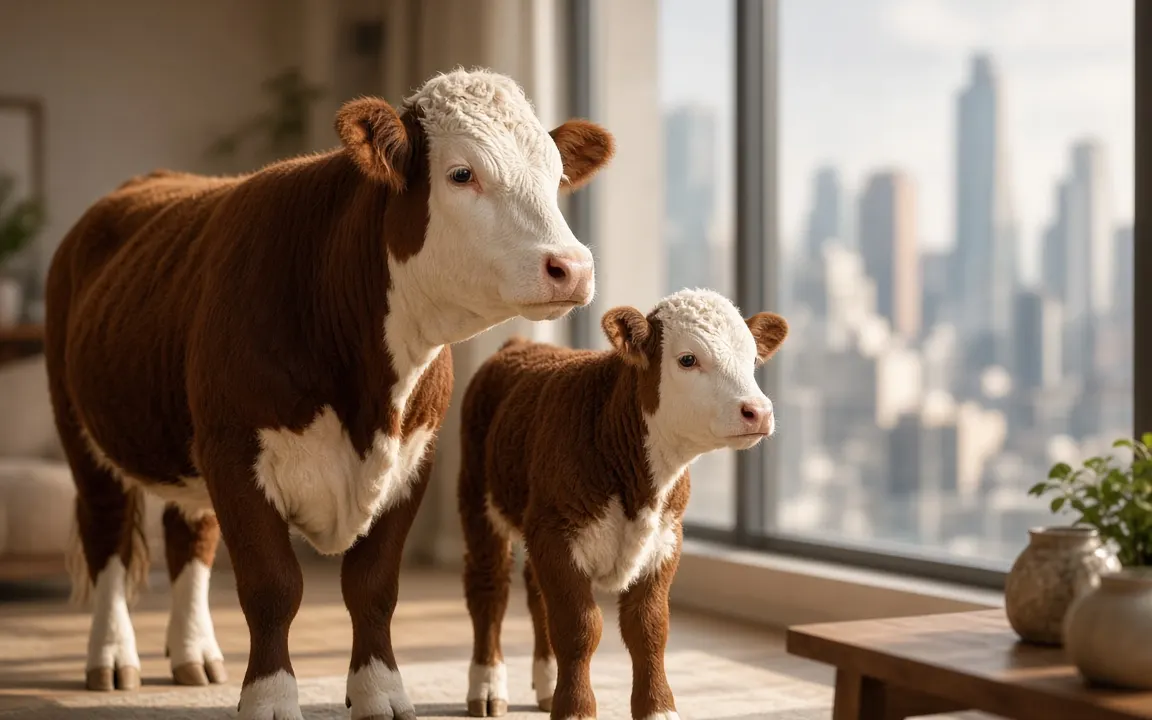
Seoul, South Korea
Livestock aftercare in Seoul: the local picture
Seoul's summer monsoon heat speeds up decomposition in a large body, and winter cold can make farm access difficult on icy rural roads in Gyeonggi. For an older horse, goat or pig kept on a hobby farm outside the city, it helps to ask about aftercare while there's no emergency: who can collect, how far they travel and whether individual cremation is possible for an animal that size.
Large animals are rare inside Seoul, but horses are kept at riding clubs around the capital and at the racecourse in nearby Gwacheon, and farms are spread through Gyeonggi Province. If a horse or farm animal dies near Seoul, the key question is whether a provider can lift and transport a body of several hundred kilograms. Give the exact location, road access and the animal's approximate weight when you ask for options.
Miniature pigs, pygmy goats and the odd backyard sheep live in plenty of Seoul neighborhoods, sometimes under a permit or a zoning exception. When one dies, the owner usually thinks of it as a pet, and the practical path looks more like a dog's than a steer's. Many pet crematories can take an animal of that size individually, but a pig that has grown well past its 'mini' label may not fit. Check the weight limit first, and ask whether they collect from a house or need you to bring the animal in.
Seoul's population is around 9,776,000, the largest of the 2 South Korea communities we cover.
Nearby, we also have local pages for Gangnam (5 miles), Incheon (17 miles) and Daejeon (87 miles), which can help if your vet or the provider you prefer is based there.
92.43%[1]
In 2023, 92.43% of deaths in South Korea were cremated (60 crematoria).
$600-$1,000[2]
Cremating a 1,000-pound horse was reported to cost about $600-$1,000, depending on location and the price of propane.
3-5% of body weight[3]
Embrace notes cremated remains typically weigh about 3-5% of the pet's original body weight.
If a number here surprises you, the primary material is Embrace Pet Insurance and Extension Horses (eXtension national Cooperative Extension); we only apply it to this.
Local attitudes to cremation and burial
Cremation accounts for about 92.43%[1] of funerals across South Korea, and with it comes a relaxed attitude to what happens to ashes afterwards. Farm families here often scatter a show animal's remains along a fence line, under the barn's shade tree or at the old home place. Because a large animal returns far more ash than a household pet, dividing it is common: some scattered, some kept, some given to the young person who raised the animal.
We take the South Korea rate from Cremation Society of Great Britain, International Cremation Statistics 2023 (2023). It is a human statistic; there is no equivalent pet figure for Seoul, and we would rather show a real number than invent one.
Weather, ground conditions and disposal in Seoul
Without detailed weather records for Seoul, the safest approach is to ask two local people: a large-animal vet and whoever collects carcasses nearby. Between them they'll know when the ground freezes, when the heat starts to bite and which months bring the most losses. Write their answers down and plan your year around them.

What livestock disposal and cremation cost in Seoul
If you keep a goat, a pig or poultry in Seoul as a pet or for a school or hobby farm, a pet crematorium may be able to take smaller animals individually. Large animals are much harder: few providers have the equipment. Ask what weight they can handle, how the animal will be collected and what the total price includes.
The South Korea price table breaks costs down by size; our services page explains what sits behind each line.

Free tool
Livestock mortality planner
Plan disposal capacity and costs for farm losses, from one animal to a herd.
Before you dig or build a pile in South Korea
Livestock carcasses are regulated more tightly than household pets, so it's worth knowing the basics for South Korea before you decide. Most rules cover the same four things: how quickly the carcass must be dealt with, which methods are allowed, how deep and how far from water a burial must be, and what happens if disease is suspected. The notes below include general aftercare guidance; for production animals, the agriculture or animal health agency has the final word.
Step by step after a death on the farm
- Tell the show office and the show vet at once. They'll have a procedure and may need to record the death.
- Ask them to hold off on calling their regular contractor to take the animal away, in case a private cremation is what your family wants.
- Call home and decide together, especially if a child or teenager raised the animal.
- Keep the halter, tag, banner and exhibitor card, and get a photo of the pen card while the stall is still as it was.
- Arrange transport: the crematory can pick up at the showgrounds, or, if the organizers agree, you can haul the animal there yourself in your trailer.
- Talk to the club leader or ag teacher so the project record can be handled in a way that honors the whole year the young person put in.
Keepsakes, markers and stories from the barn
Korea's big livestock and horse regions are mostly away from the capital, with Jeju Island famous for its horses. Near Seoul, many large animals are riding horses, petting-farm goats and sheep, or rescued livestock rather than working stock, and their owners sometimes want individual cremation with ashes returned, which not every provider can manage. Commercial herds usually go through agricultural disposal channels instead. Be clear about whether the animal was kept as a companion or as farm stock when you ask.
or see what other families chose in the poll results, the guides answer the longer questions and the blog the newer ones, For a plain comparison of the choices, open services, the planning tools turn your pet's details into figures. You can also browse every city in South Korea. Nearby, we also cover Gangnam, and every city in South Korea.

Reader polls
What would you choose?
Vote anonymously and see how other readers answered. The results are live counts from people who visit this site, so they show real opinions, not a scientific sample.
Can you still get a renderer to pick up at your farm?
Tap an answer to vote and see how others answered. Anonymous.
When an adult animal dies on your place, what usually happens to it?
Tap an answer to vote and see how others answered. Anonymous.
If you had to decide today, which aftercare would you choose for your pet?
Tap an answer to vote and see how others answered. Anonymous.

Free tools to help you plan
Livestock mortality planner
Plan disposal capacity and costs for farm losses, from one animal to a herd.

Urn size calculator
Find the urn volume you need from your pet's weight, plus keepsake and sharing options.

Horse aftercare cost comparison
Compare equine cremation, burial, rendering and composting side by side.
Questions people ask
Can a provider from a neighbouring town collect from Seoul?
Usually yes. Gangnam is about 5 miles away, Incheon is about 17 miles away and Daejeon is about 87 miles away, all inside a normal collection radius. Get the mileage written into the quote so there is no surprise on the day.
Why does the Seoul page quote a human cremation rate?
Because it is the best local signal we have. Cremation Society of Great Britain, International Cremation Statistics 2023 (2023) reports about 92.43%[1] of South Korea residents are cremated. There is no official pet equivalent, and inventing one would be worse than quoting a real, clearly labelled number.
Can I be there when my animal is cremated?
Some large-animal crematories allow it, especially for show and family animals, but not all have space or the setup for visitors. It may cost more and need booking ahead. If it matters to you, ask on the first call, and ask how long the process takes so you can plan the day; a large animal takes hours.
My child's 4-H animal died near Seoul. What now?
First, let your child know it's okay to be upset; a year of daily care is a real bond. Tell the club leader or show officials, who can explain what happens with the project record. Then decide together whether you'd like a private cremation, a burial on the farm where allowed, or a simple pickup. Save the halter, tag and a photo before anyone collects the animal.
What paperwork should I keep after a livestock death?
At a minimum: the date, animal ID or ear tag, cause of death if known, the method of disposal and the collector's ticket or invoice. Insurers, auditors and some breed or show records ask for it, and it helps you spot patterns in losses. For contract pickups, make sure every collection comes with a ticket that matches your records.
Will a regular pet crematory near Seoul take a goat, sheep or pet pig?
Often, if the animal is under the crematory's weight limit. Many pet crematories handle goats, sheep, lambs and smaller pigs individually and return the ashes, while a grown sow, boar or cow usually needs a large-animal provider. Ask the limit on the first call, whether they collect from your property and whether the price includes a container. Tell them the species too, since a few won't take farm animals at all.


Sources and our estimates
- [1] In 2023, 92.43% of deaths in South Korea were cremated (60 crematoria). Cremation Society of Great Britain, International Cremation Statistics 2023, 2023.
- [2] Cremating a 1,000-pound horse was reported to cost about $600-$1,000, depending on location and the price of propane. Extension Horses (eXtension national Cooperative Extension) - Horse Disposal Options, 2019, 2019.
- [3] Embrace notes cremated remains typically weigh about 3-5% of the pet's original body weight. Embrace Pet Insurance - Bury or Cremate Your Dog? Costs, Pros & Cons, 2025.
- [4] About 10,630 U.S. cattle and calves died every day in 2015. Our estimate: 3,880,000 / 365. How we calculate.
Get livestock disposal options in Seoul
Tell us what you need and where you are. We'll reply by email with clear options and prices so you can decide in your own time.