Livestock Disposal & Cremation in Busan
Renderer, compost pile, burial pit or crematory: the right answer in Busan depends on the animal, your ground and the season. This guide helps you pick quickly and pay a fair price.
- Large-animal pickup and equipment questions
- Heat, frozen ground and disease timing
- Options for one animal or a whole barn
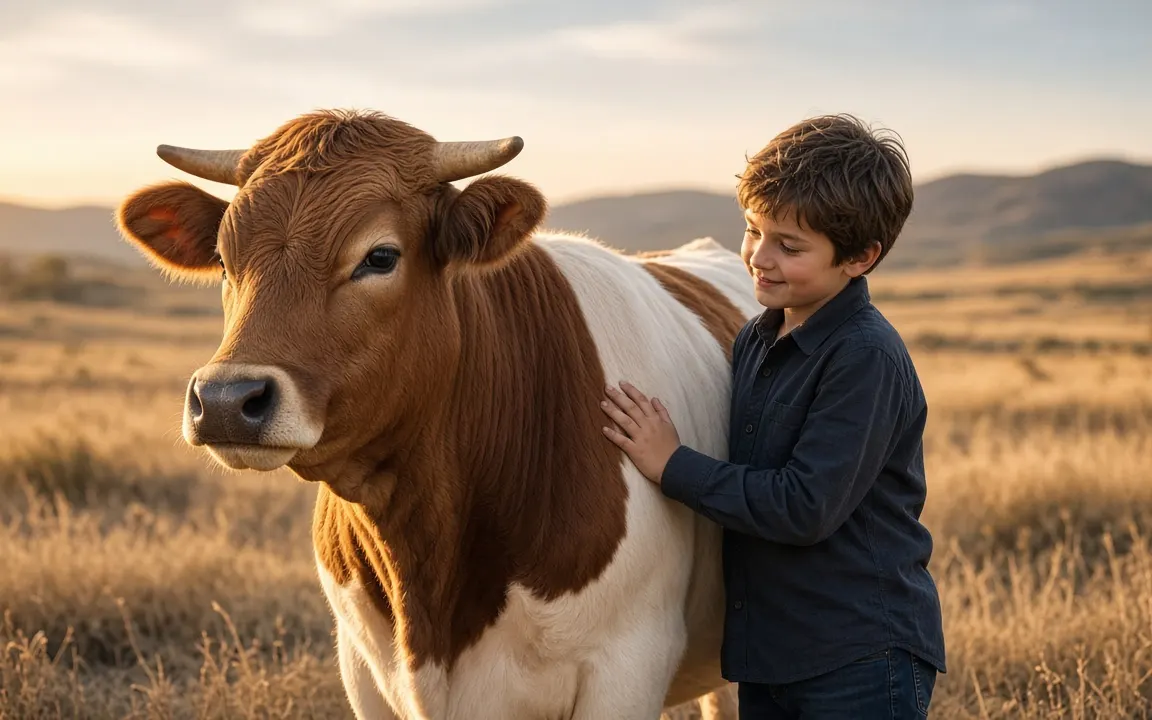
Busan, South Korea
Livestock Disposal & Cremation in Busan: what to know
Whether you farm near one of the bigger places like Busan or out on a gravel road, the questions to ask are the same: how long do I have, which methods are allowed here, who still collects, and what will it cost in writing? This page covers Busan as a whole; open your nearest city below for local weather and access notes.
Most readers from Busan fall into a few groups: producers with routine losses, larger operations that need a contract route, and show or hobby families who want a single animal handled with care. The first two need reliable pickup and clear rules. The third often want a private cremation with ashes returned, which means finding a provider that can handle the weight before a dead-stock truck is called.
We cover 1 community in Busan, from Busan.

Every Busan community we cover
Choose your city or town for local prices, weather and timing, and rules. 1 communities in Busan, largest first below.
Cremation habits in Busan, and what they mean on the farm
Around 92.43%[1] of the population of Busan is cremated at death, yet on most working farms here only a handful of animals ever get a private cremation. The rest go to rendering, compost or burial as routine. Some families find it helps to agree in advance which animals would be the exception: the old cow who raised a dozen calves, a child's pet goat, the ram everyone knew by name. Settling that on a calm day spares an argument at the barn door.
Source for the Busan figure: Cremation Society of Great Britain, International Cremation Statistics 2023 (2023). It describes human funerals and is here as context, not as a count of pets.
Budgeting per animal and per year in Busan
In many Asian cities the practical question is capacity rather than price: few crematoria accept anything larger than a big dog, and fewer still a farm animal. If a pet goat, a pot-bellied pig or a backyard flock dies near Busan, ask two or three pet crematoria for their weight limit before asking what they charge. Commercial losses go to licensed collectors, whose fees are set under local rules.
If you keep a goat, a pig or poultry in Busan as a pet or for a school or hobby farm, a pet crematorium may be able to take smaller animals individually. Large animals are much harder: few providers have the equipment. Ask what weight they can handle, how the animal will be collected and what the total price includes.
| Route | Approximate cost | Ashes back? |
|---|---|---|
| Rendering pickup | about $0.14 per lb | No |
| Composting | about $0.23 per lb[2] | No |
| Incineration | about $0.75 per lb | No |
| Private cremation | $0.80/lb[3] at the equine midpoint | Yes |
| Source | Extension Horses: disposal options | US figures for comparison, not local prices |

Free tool
Livestock mortality planner
Plan disposal capacity and costs for farm losses, from one animal to a herd.
The legal side of dead stock in Busan
Dead-stock rules in Busan exist mainly to protect water and stop disease. That's why they focus on deadlines, distance from wells and creeks, soil depth above bedrock and the water table, and keeping scavengers off carcasses. If your chosen site can't meet them, a renderer, landfill or crematory is the safer option, and a quick call to your agricultural office settles most doubts.
A calm checklist for Busan farms and families
- Take dead newborns out of the pen quickly, so the dam and the other young stock aren't exposed to anything infectious.
- Note the dam's ID, the date and anything unusual: a hard birth, weakness, scours, a cold night.
- Hold small carcasses in a lidded bin or somewhere covered and well clear of water, until the collector comes or you next turn the compost.
- Call your vet if losses climb above your normal, or if aborted fetuses turn up. Some causes can infect people as well as stock.
- Wear gloves to handle afterbirth and aborted fetuses, and wash thoroughly afterwards.
- Log every loss and any pattern across the season will show itself.
Remembering a show or family animal
Keeping ashes at home has no time limit. When you're ready, you might scatter some at the fairgrounds pasture (with permission), bury some under a tree by the barn or keep a keepsake for each child. If you move off the farm one day, cremated remains can move with you in a way a burial site can't.
Compare every option on our services page, try the free planning tools or see how other readers answered in our polls. You can also go back to all locations.

Reader polls
What would you choose?
Vote anonymously and see how other readers answered. The results are live counts from people who visit this site, so they show real opinions, not a scientific sample.
What feels like a fair price to deal with one dead adult cow?
Tap an answer to vote and see how others answered. Anonymous.
Do you have a written plan for a big loss, like a blizzard, heat wave or disease outbreak?
Tap an answer to vote and see how others answered. Anonymous.
If you had to decide today, which aftercare would you choose for your pet?
Tap an answer to vote and see how others answered. Anonymous.

Free tools to help you plan
Livestock mortality planner
Plan disposal capacity and costs for farm losses, from one animal to a herd.

Urn size calculator
Find the urn volume you need from your pet's weight, plus keepsake and sharing options.

Horse aftercare cost comparison
Compare equine cremation, burial, rendering and composting side by side.
Questions people ask
Can I get a show animal's ashes back in Busan?
Yes, through a private cremation with a provider that has large-animal equipment. The animal is cremated alone and the ashes returned, roughly 3-5% of body weight[5]. Book it before any routine collection is called, since rendering can't be undone. Providers may be a drive away, so ask about pickup and mileage.
Can a pet crematorium take a goat or pig in Busan?
Often, for smaller animals. Many pet crematoria can cremate a goat, a small pig, poultry or a lamb individually and return the ashes. Mature cattle or large pigs are much harder, as few providers have the equipment. Ask about the weight limit, how the animal will be collected and whether the price includes the container for the ashes.
How many communities do you cover in Busan?
We have local livestock aftercare guides for 1 communities in Busan, including Busan. Each page covers local weather and timing, the rough cost of each route, rules worth checking and how pickup usually works there, including notes for show families and hobby farms near bigger cities.
Who do I contact when livestock die in Busan?
Start with a local vet or the national veterinary authority, especially for pigs and poultry where bird flu and swine fever are concerns. Licensed collectors, rendering or incineration facilities handle most disposal. For a pet goat, pig or bird where the family wants ashes back, ask a pet crematorium what weight it can accept.
What if several pigs or birds die suddenly in Busan?
Keep the rest of the herd or flock away, don't move the carcasses and call a vet or the veterinary authority the same day. Bird flu and swine fever are reportable in most countries, and the authorities decide how carcasses are handled if disease is confirmed. For routine losses, your usual collector or approved route applies.

Sources and our estimates
- [1] In 2023, 92.43% of deaths in South Korea were cremated (60 crematoria). Cremation Society of Great Britain, International Cremation Statistics 2023, 2023.
- [2] Horse rendering costs about $0.14 per pound and composting about $0.23 per pound, both well below incineration at $0.75 per pound, and composting is comparable to a biodigester at $0.25 per pound. Our estimate: $275 / 1,200 lb (composting); $137.50 / 1,000 lb (rendering); $0.25 and $0.75 per lb from extension. How we calculate.
- [3] Midpoint horse cremation cost works out to about $0.80 per pound of body weight, versus about $0.14 per pound for rendering pickup and $0.23 per pound for on-farm composting. Our estimate: cremation $800 / 1,000 lb; rendering $137.50 / 1,000 lb; composting $275 / 1,200 lb. How we calculate.
- [4] About 10,630 U.S. cattle and calves died every day in 2015. Our estimate: 3,880,000 / 365. How we calculate.
- [5] Embrace notes cremated remains typically weigh about 3-5% of the pet's original body weight. Embrace Pet Insurance - Bury or Cremate Your Dog? Costs, Pros & Cons, 2025.
Get livestock disposal options in Busan
Tell us what you need and where you are. We'll reply by email with clear options and prices so you can decide in your own time.