Handling livestock losses in Monterrey, Nuevo Leon
Most places expect a carcass dealt with within a day or three. Here's what's legal, available and affordable in Monterrey, from dead-stock pickup to a private cremation with ashes returned.
- Large-animal pickup and equipment questions
- Heat, frozen ground and disease timing
- Options for one animal or a whole barn
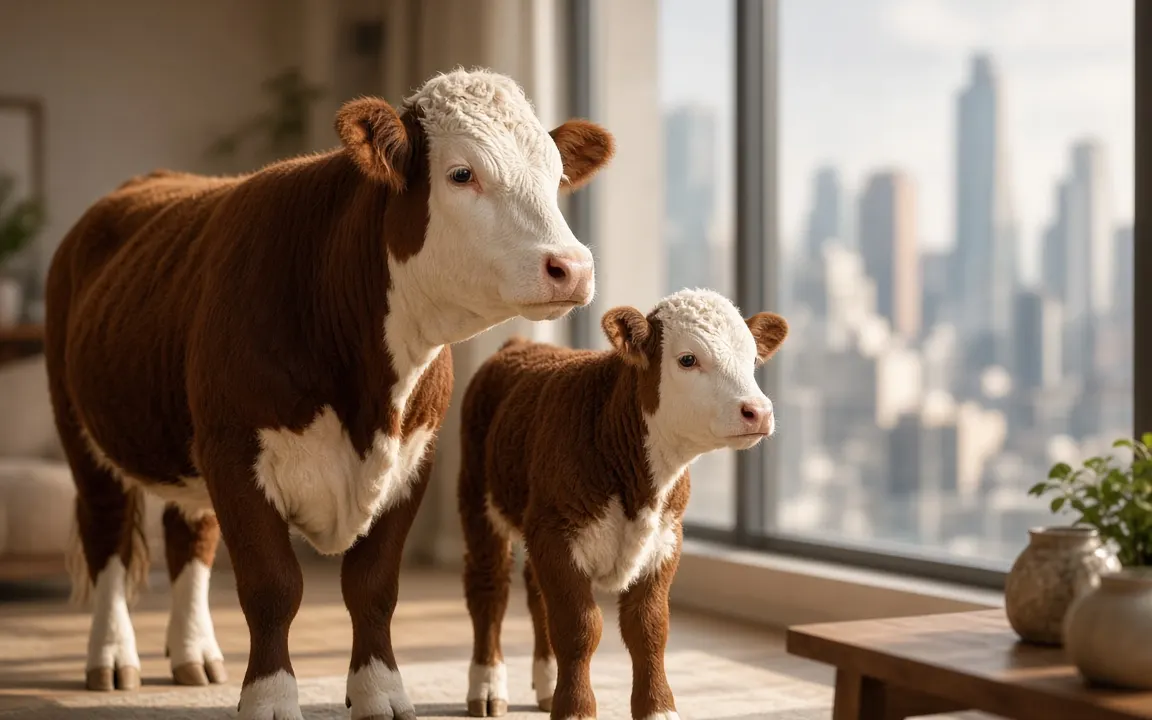
Monterrey, Nuevo Leon
Livestock losses around Monterrey: who's affected and how
Many large animals around Monterrey are family animals on weekend ranches, charro horses and rescued animals, not only commercial stock. A much-loved horse or goat can often be cremated individually, while working cattle usually go through agricultural disposal channels. Say which applies when you ask, and mention if you'd like a horseshoe, a lock of mane or a hoof print kept for the family.
Northern Mexico is ranching country, and the land around Monterrey has cattle, goats, horses and charro arenas, with weekend ranches in the valleys and foothills beyond the city. When a large animal dies on one of these properties, access and distance are the key questions. Share the location, whether the last stretch is dirt road, and whether a vehicle with a winch can get close to the animal.
County fairs, stock shows and rodeo weeks held in or near a city the size of Monterrey put thousands of animals on one site for days at a time. Deaths there are uncommon but they do happen: a heifer that collapses in the wash rack, a market hog lost to heat on the drive in. Before you arrive, find out who the show veterinarian is and whether the grounds contract with a collector. If your family would want ashes back, carry a large-animal crematory's number in the show box.
Monterrey's population is around 1,135,000.
$600-$1,000[1]
Cremating a 1,000-pound horse was reported to cost about $600-$1,000, depending on location and the price of propane.
3-5% of body weight[2]
Embrace notes cremated remains typically weigh about 3-5% of the pet's original body weight.
We built the this numbers from Embrace Pet Insurance and Extension Horses (eXtension national Cooperative Extension), and both are worth a look if you want the detail.
Cremation habits in Mexico, and what they mean on the farm
Attitudes to cremation vary a lot from place to place, but for livestock the practical questions are the same everywhere: who can collect an animal this size, what the rules say about burial and composting, and whether anyone in the family wants ashes back. Around Monterrey, start with a local vet or the agricultural authority, then compare the routes that are actually open to you.
Seasonal risks for stock and carcass handling near Monterrey
Heat waves and hard winters both cause losses on their own, and both make disposal harder at the same moment. Whatever the climate near Monterrey, a short written plan, with who you'd call, where carcasses could go and what equipment you'd need, is the single most useful thing you can prepare.

Where the money goes when stock die near Monterrey
Livestock disposal options in Monterrey depend heavily on local rules and on what collectors or crematories operate nearby. We haven't found reliable published prices for this area, so the table shows US extension figures per pound to explain how the routes compare. Ask any provider for a written quote in local currency that lists collection, handling and the final disposal.
The full price table by size is on our Nuevo Leon page, and the services page explains what each option includes.

Free tool
Livestock mortality planner
Plan disposal capacity and costs for farm losses, from one animal to a herd.
What Nuevo Leon allows for dead stock
Most dead-stock regulations in Nuevo Leon were written with commercial herds in mind, but they rarely make an exception for a single pet pig or a 4-H lamb. If the animal is a farm species, assume the livestock rules apply unless an official tells you otherwise. The notes below summarize local aftercare guidance; your agricultural or animal health office can confirm the details for your property and species.
A calm checklist for Monterrey farms and families
- Count and separate. If more than one animal has died, keep the rest of the herd or flock away and call your vet the same day.
- Don't move suspect carcasses off the farm until you've been told how, if a reportable disease is possible.
- Check your capacity: how much carbon material you have for composting, whether a pit site meets the rules, whether the renderer can take the volume.
- Call for help early. Your extension office, the neighbors and custom operators may have a loader to lend or can put up a windrow for you.
- Keep biosecurity tight: no collection truck comes past the road, and whoever has touched a carcass swaps boots before they go back among the live stock.
- Write down what happened and what worked, so your plan is better next time.
Marking the loss, on the farm or in town
Monterrey's summer heat means a large body must be moved within hours, and heavy rain from passing storms can make rural roads impassable. If you keep an older horse, cow, goat or sanctuary animal in Nuevo Leon, it helps to ask in advance which providers handle large animals and whether individual cremation with ashes returned is possible, or whether burial on your land is more practical.
the guides answer the longer questions and the blog the newer ones, try the free planning tools, or see what other families chose in the poll results, See what each option includes on our services page. Every other community in Nuevo Leon, and all of Mexico, is listed too.

Reader polls
What would you choose?
Vote anonymously and see how other readers answered. The results are live counts from people who visit this site, so they show real opinions, not a scientific sample.
Can you still get a renderer to pick up at your farm?
Tap an answer to vote and see how others answered. Anonymous.
What feels like a fair price to deal with one dead adult cow?
Tap an answer to vote and see how others answered. Anonymous.
If you had to decide today, which aftercare would you choose for your pet?
Tap an answer to vote and see how others answered. Anonymous.

Free tools to help you plan
Livestock mortality planner
Plan disposal capacity and costs for farm losses, from one animal to a herd.

Urn size calculator
Find the urn volume you need from your pet's weight, plus keepsake and sharing options.

Horse aftercare cost comparison
Compare equine cremation, burial, rendering and composting side by side.
Questions people ask
Do I have to report a livestock death?
Sometimes. Cattle, sheep, goats and pigs with official ear tags may need the death logged with a traceability system or on your holding register by a deadline, and sudden deaths with signs of a notifiable disease must be reported to animal health officials before disposal. A routine loss of an old ewe usually just needs a note in your own records. Your vet or agricultural office can tell you what applies.
Is large-animal cremation available near Monterrey?
Sometimes, but it's specialized. Many pet crematoria can take a goat, sheep, small pig or poultry individually, while a mature cow or large pig needs equipment few providers have. Ask a local vet or the veterinary authority who handles large animals, what weight limit applies and whether the ashes are returned, before any routine collection is arranged.
Is composting a dead cow really practical?
Yes, with enough material and patience. Cattle need cover such as wood chips, sawdust or old bedding, at about 10-12 cu yd per 1,000 lb[4] of carcass, and the pile should reach 135-140 F[5]. The second phase for a mature cow runs about 240 days[6]. It works well once you've done it, but check your state first: some places don't allow composting of cattle, sheep and goats.
What's the difference between incineration and cremation?
They use the same basic equipment. Cremation usually means one animal handled so its own remains can be returned, while incineration is disposal, often several animals at once, with nothing returned. If you want the ashes back, ask for private or individual cremation specifically and get that in writing, including how the animal is identified.
Can I be there when my animal is cremated?
Some large-animal crematories allow it, especially for show and family animals, but not all have space or the setup for visitors. It may cost more and need booking ahead. If it matters to you, ask on the first call, and ask how long the process takes so you can plan the day; a large animal takes hours.
Will a regular pet crematory near Monterrey take a goat, sheep or pet pig?
Often, if the animal is under the crematory's weight limit. Many pet crematories handle goats, sheep, lambs and smaller pigs individually and return the ashes, while a grown sow, boar or cow usually needs a large-animal provider. Ask the limit on the first call, whether they collect from your property and whether the price includes a container. Tell them the species too, since a few won't take farm animals at all.


Sources and our estimates
- [1] Cremating a 1,000-pound horse was reported to cost about $600-$1,000, depending on location and the price of propane. Extension Horses (eXtension national Cooperative Extension) - Horse Disposal Options, 2019, 2019.
- [2] Embrace notes cremated remains typically weigh about 3-5% of the pet's original body weight. Embrace Pet Insurance - Bury or Cremate Your Dog? Costs, Pros & Cons, 2025.
- [3] About 10,630 U.S. cattle and calves died every day in 2015. Our estimate: 3,880,000 / 365. How we calculate.
- [4] Bovine composting may require 10-12 cubic yards of cover material per 1,000 lb of carcass. USDA APHIS / Center for Food Security and Public Health (Iowa State) - Disposal: Composting, Rendering & Burial handout, based on NAHEMS Disposal Guidelines (2012), 2012.
- [5] A carcass compost pile should reach 135-140 F within 15 days and be held at temperature for 3-12 weeks. USDA APHIS / Center for Food Security and Public Health (Iowa State) - Disposal: Composting, Rendering & Burial handout, based on NAHEMS Disposal Guidelines (2012), 2012.
- [6] The second composting phase takes about 10 days for chickens but approximately 240 days for mature cows and horses. USDA APHIS / Center for Food Security and Public Health (Iowa State) - Disposal: Composting, Rendering & Burial handout, based on NAHEMS Disposal Guidelines (2012), 2012.
Find who can take a large animal in Monterrey
Tell us what you need and where you are. We'll reply by email with clear options and prices so you can decide in your own time.