Rendering, composting or cremation in Kuala Lumpur
Whether it's a feedlot loss, a ewe in lambing season or a 4-H steer your family raised, this page explains the realistic options in Kuala Lumpur and how to get a written price.
- Costs per head for every route
- Burial and composting rules in plain English
- Private cremation for show and family animals
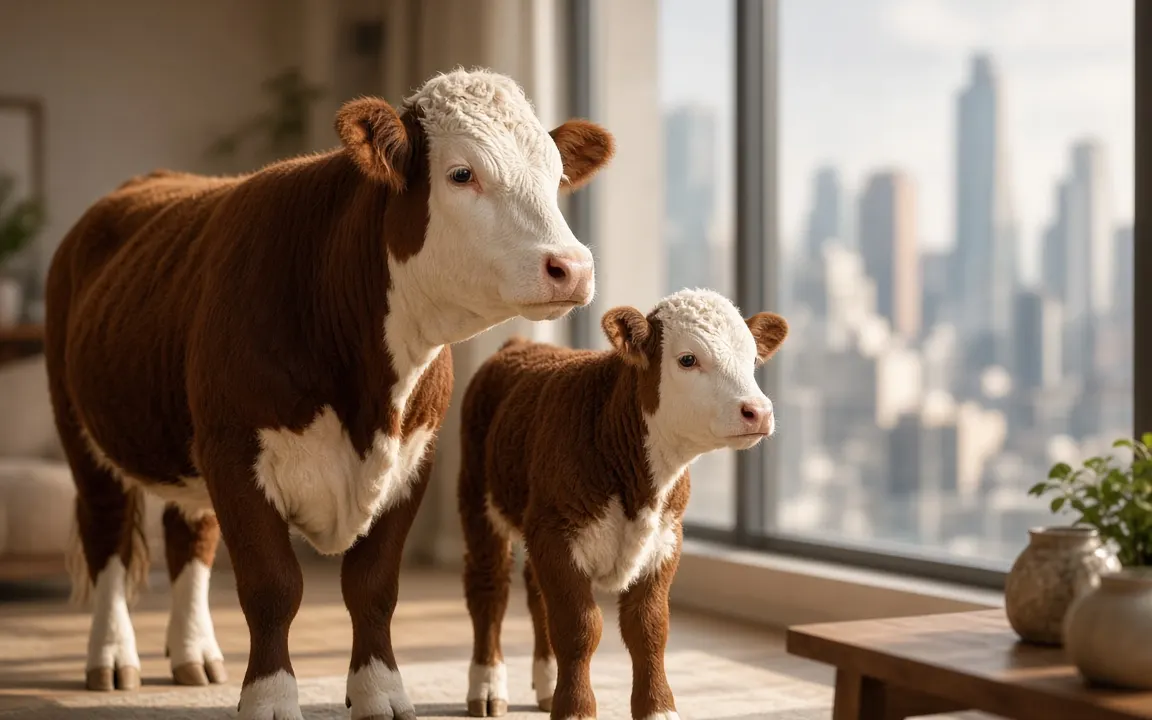
Kuala Lumpur, Malaysia
Livestock losses around Kuala Lumpur: who's affected and how
Tropical heat and heavy rain mean a large body must be moved quickly, and storms can flood rural roads outside the city. If you care for an older horse, cow, goat or sanctuary animal in Selangor or on the city's edge, ask in advance which providers handle large animals and whether individual cremation is possible, or whether burial on your land is more practical.
Many large animals around Kuala Lumpur belong to riding clubs, small farms, educational parks and rescues rather than big operations. If the animal was a family horse or goat, ask whether it can be cremated on its own and the ashes returned to you. For farm stock, agricultural disposal or burial is more usual. Say which applies, and check any local rules before burying a large animal on your land.
Backyard and urban flocks are more common than people think. In a USDA study of Denver, Los Angeles, Miami and New York City, about 0.8%[1] of households kept chickens, and the share was higher on bigger lots. If a hen or a small flock dies in Kuala Lumpur, don't put the birds in household trash without checking local rules, and if several die suddenly, call a vet or your animal health authority first. Bird flu has reached backyard flocks as well as big barns.
About 1,768,000 people live in Kuala Lumpur.
$600-$1,000[2]
Cremating a 1,000-pound horse was reported to cost about $600-$1,000, depending on location and the price of propane.
3-5% of body weight[3]
Embrace notes cremated remains typically weigh about 3-5% of the pet's original body weight.
If a number here surprises you, the primary material is Embrace Pet Insurance and Extension Horses (eXtension national Cooperative Extension); we only apply it to this.
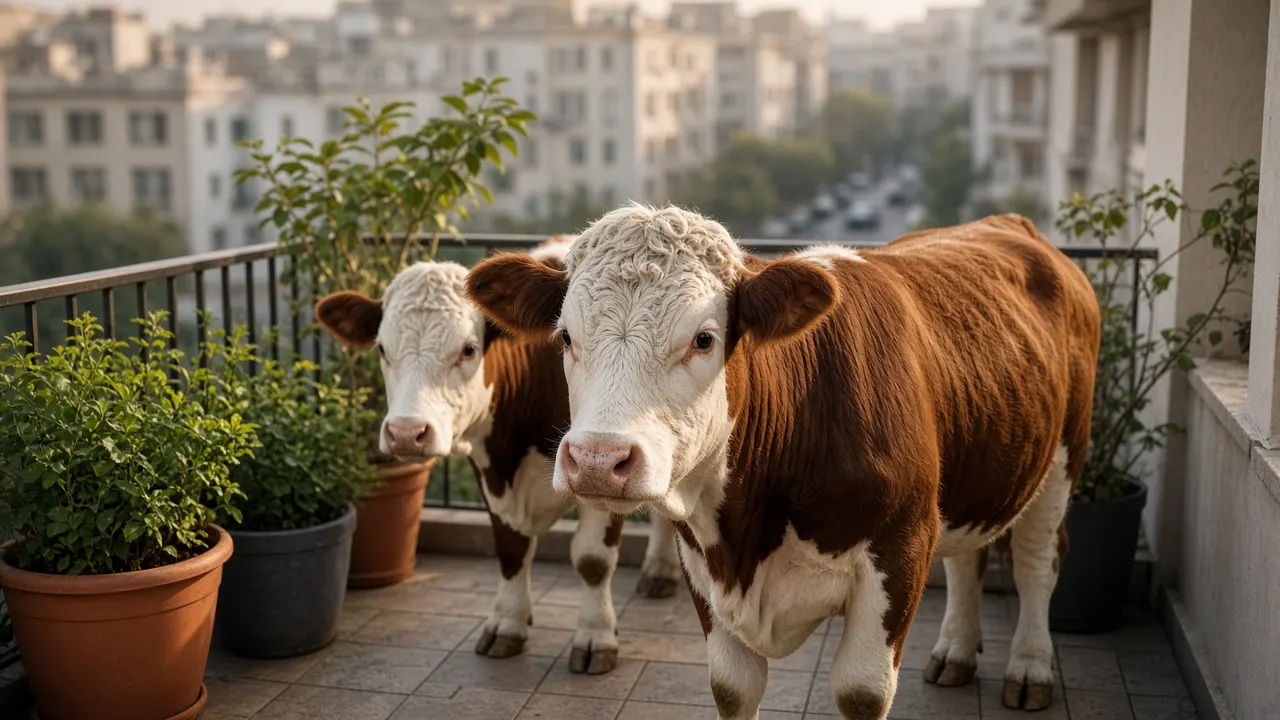
Tradition, practicality and the animals that mattered
Customs around death differ widely, and in some places cremating any animal is unusual while in others it's routine. If you're near Kuala Lumpur and unsure what's normal, ask anyway. Providers who take large animals are used to first-time callers, and a clear request covering species, weight, location and whether ashes should come back gets you a clear answer.
Seasonal risks for stock and carcass handling near Kuala Lumpur
Wherever you are, the same rules of thumb apply: in warm weather, move the carcass to shade, cover it and get it collected within the day; in cold weather you have more time, but frozen ground can make burial impossible. Around Kuala Lumpur, ask a local vet or collector what they recommend for this time of year, because they know the seasons well.

Where the money goes when stock die near Kuala Lumpur
In many Asian cities the practical question is capacity rather than price: few crematoria accept anything larger than a big dog, and fewer still a farm animal. If a pet goat, a pot-bellied pig or a backyard flock dies near Kuala Lumpur, ask two or three pet crematoria for their weight limit before asking what they charge. Commercial losses go to licensed collectors, whose fees are set under local rules.
We keep the detailed Malaysia price table on one page so it stays current: see Malaysia prices.

Free tool
Livestock mortality planner
Plan disposal capacity and costs for farm losses, from one animal to a herd.
What Malaysia allows for dead stock
Dead-stock rules in Malaysia exist mainly to protect water and stop disease. That's why they focus on deadlines, distance from wells and creeks, soil depth above bedrock and the water table, and keeping scavengers off carcasses. If your chosen site can't meet them, a renderer, landfill or crematory is the safer option, and a quick call to your agricultural office settles most doubts.
Jobs in the right order after a loss near Kuala Lumpur
- Check the animal is dead and look around for hazards, a running loader, an unsettled herd, a drop-off, before anyone goes close.
- Photograph the scene when the death seems odd, and jot down the weather and what it had to eat and drink; a vet or insurer may want it.
- Separate the carcass from live animals and from any water source, and cover it against birds and dogs.
- Look up your deadline for disposal and plan backwards from it, especially in hot weather.
- Book the route that suits the animal: renderer collection, composting, a burial spot that meets the rules, or cremation when it was a family or show animal.
- Clean up and disinfect the boots and any machinery that touched the carcass before you return to the herd.
Ways to honor an animal that earned its place
Kuala Lumpur has equestrian clubs and riding schools around the Klang Valley, and the wider region has cattle, goats and horses on farms and plantations. Around Hari Raya Haji, goats and cattle are also brought in for sacrifice. When a large animal dies, access is the first issue: share the location, the road surface and whether a vehicle with lifting equipment can reach it.
For a plain comparison of the choices, open services, try the free planning tools, the guides answer the longer questions and the blog the newer ones, or see how other readers answered in our polls. Every other community in Malaysia, and all of Malaysia, is listed too.

Reader polls
What would you choose?
Vote anonymously and see how other readers answered. The results are live counts from people who visit this site, so they show real opinions, not a scientific sample.
If a show steer, heifer or lamb your family raised died at home, what would you want?
Tap an answer to vote and see how others answered. Anonymous.
When an adult animal dies on your place, what usually happens to it?
Tap an answer to vote and see how others answered. Anonymous.
If you had to decide today, which aftercare would you choose for your pet?
Tap an answer to vote and see how others answered. Anonymous.

Free tools to help you plan
Livestock mortality planner
Plan disposal capacity and costs for farm losses, from one animal to a herd.

Urn size calculator
Find the urn volume you need from your pet's weight, plus keepsake and sharing options.

Horse aftercare cost comparison
Compare equine cremation, burial, rendering and composting side by side.
Questions people ask
Can a crematory collect a large animal from a small property in Kuala Lumpur?
Often yes, if the truck can reach it. Tell the provider the animal's weight, where it's lying and any tight gates, soft ground or narrow lanes. Large-animal providers usually use a winch or tilt trailer; a skid steer may be needed if the animal is inside a small barn. Expect a mileage charge if the provider is based outside Kuala Lumpur.
How much does livestock cremation cost near Kuala Lumpur?
Individual cremation of a large animal is priced by weight and is much more expensive than routine fallen-stock collection, because one animal can fill a whole chamber. We haven't found reliable published prices for this area, so ask providers near Kuala Lumpur for a written quote in local currency that includes collection and the container for the ashes.
Does a renderer need to come into my farmyard?
Ideally not. A concrete pad or firm gravel spot near the road lets the truck load without driving past your barns, which is one of the simplest biosecurity steps a farm can take. Trucks visit many farms in a day, so keeping them at the edge of the property protects your herd or flock.
What actually happens to an animal at a rendering plant?
Rendering cooks carcass material at about 250 to 275°F for 2 to 3 hours in a batch[5], which destroys most pathogens and separates fat from protein. The products are used in things like industrial fats and some feeds. It's a useful, low-cost route for production losses, but nothing comes back to the owner, so it's not the right choice if anyone wants ashes. USDA's disposal methods handout explains it in more detail.
What paperwork should I keep after a livestock death?
At a minimum: the date, animal ID or ear tag, cause of death if known, the method of disposal and the collector's ticket or invoice. Insurers, auditors and some breed or show records ask for it, and it helps you spot patterns in losses. For contract pickups, make sure every collection comes with a ticket that matches your records.
What should I do if several animals die at once?
Keep the rest of the herd or flock away, don't move the carcasses off the farm, and call your vet the same day. Sudden multiple deaths can mean a reportable disease, poisoning or heat stress, and the answer changes how disposal must be done. If disease is confirmed, animal health officials usually decide the method and may help with capacity.


Sources and our estimates
- [1] In the USDA's four-city study (Denver, Los Angeles, Miami, New York City), 0.8% of all households and 4.3% of single-family homes on an acre or more kept chickens. USDA APHIS NAHMS Poultry 2010 - Urban Chicken Ownership in Four U.S. Cities, 2010.
- [2] Cremating a 1,000-pound horse was reported to cost about $600-$1,000, depending on location and the price of propane. Extension Horses (eXtension national Cooperative Extension) - Horse Disposal Options, 2019, 2019.
- [3] Embrace notes cremated remains typically weigh about 3-5% of the pet's original body weight. Embrace Pet Insurance - Bury or Cremate Your Dog? Costs, Pros & Cons, 2025.
- [4] About 10,630 U.S. cattle and calves died every day in 2015. Our estimate: 3,880,000 / 365. How we calculate.
- [5] In rendering, carcass material is cooked at 250-275 F, a batch process that normally takes 2-3 hours and destroys harmful pathogens. USDA APHIS / Center for Food Security and Public Health (Iowa State) - Disposal: Composting, Rendering & Burial handout, based on NAHEMS Disposal Guidelines (2012), 2012.
Get livestock disposal options in Kuala Lumpur
Tell us what you need and where you are. We'll reply by email with clear options and prices so you can decide in your own time.