Livestock Disposal & Cremation in Bourgogne-Franche-Comte
If the animal mattered as more than a production loss, the first call you make decides whether ashes can come home. Here's how to plan it calmly and in the right order.
- Large-animal pickup and equipment questions
- Heat, frozen ground and disease timing
- Options for one animal or a whole barn
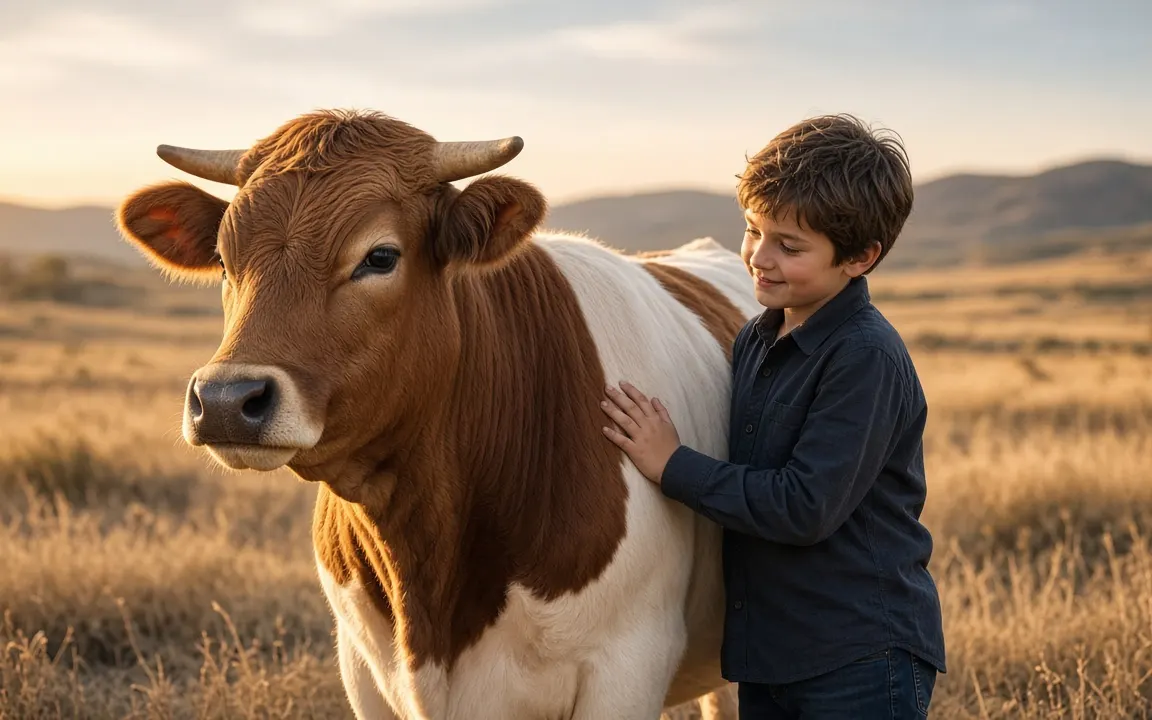
Bourgogne-Franche-Comte, France
Livestock Disposal & Cremation in Bourgogne-Franche-Comte: what to know
Most readers from Bourgogne-Franche-Comte fall into a few groups: producers with routine losses, larger operations that need a contract route, and show or hobby families who want a single animal handled with care. The first two need reliable pickup and clear rules. The third often want a private cremation with ashes returned, which means finding a provider that can handle the weight before a dead-stock truck is called.
Weather shapes livestock losses across Bourgogne-Franche-Comte as much as geography does. Heat waves stress dairy cows, heavy cattle and poultry houses, and storms at calving or lambing time can cause several losses in a night. A short written plan, covering where carcasses go, what equipment you need and who you'd call, is worth more than any price list when that day comes.
We cover 1 community in Bourgogne-Franche-Comte, from Dijon.

Every Bourgogne-Franche-Comte community we cover
Choose your city or town for local prices, weather and timing, and rules. 1 communities in Bourgogne-Franche-Comte, largest first below.
Local attitudes to cremation and burial
Burial is still how most people in Bourgogne-Franche-Comte say goodbye, with only about 44.91%[1] cremated, so asking for a steer's ashes may raise an eyebrow at the sale barn. Don't let that decide things for you. Families who raised an animal by hand, walked it every evening and cried at the fair have every reason to want something back, and you don't owe anyone an explanation.
The cremation figure for Bourgogne-Franche-Comte comes from ICI (France Bleu), citing the Fédération française de crémation (2023). It counts people, not pets, so treat it as a guide to local attitudes rather than a pet statistic.
What livestock disposal and cremation cost in Bourgogne-Franche-Comte
Across the EU, fallen stock is covered by animal by-product rules, and in most countries carcasses must go to an approved collector or processing plant rather than being buried on the farm. Who pays varies: in some countries a public fund or a levy covers part of the collection cost. The table shows how the routes compare rather than local prices, which you'll get from the collector serving Bourgogne-Franche-Comte.
If you want a show animal, a pet pig or a family cow cremated individually with the ashes returned, that is usually arranged through a pet crematorium that can handle large animals, separately from the official fallen-stock collection. Ask whether they collect from the farm in Bourgogne-Franche-Comte, what they charge by weight and what paperwork is needed to release the animal to them.
| Route | Usually suits | Ashes returned? |
|---|---|---|
| Official fallen-stock collection | Routine losses of cattle, sheep, pigs and poultry | No |
| Approved incineration | Disease cases, specified risk material | No |
| Individual cremation | Show animals, pet pigs and goats, family cows | Yes |
| On-farm burial | Generally not permitted; limited exceptions for remote areas | n/a |
| Source | EU animal by-products rules | National rules add detail; ask your collector |

Free tool
Livestock mortality planner
Plan disposal capacity and costs for farm losses, from one animal to a herd.
Before you dig or build a pile in Bourgogne-Franche-Comte
You don't need a permit to call a renderer or a crematory, but burial, composting and burning are where rules bite. In Bourgogne-Franche-Comte, check depth, cover and setbacks from wells, creeks and property lines, plus any limit on how many animals can go in one site. Open burning of carcasses is illegal in most places. Counties, councils and water authorities can add their own conditions on top.
In France, fallen farm animals are collected by the équarrissage service, which farmers call after a death, and on-farm burial of livestock is generally prohibited. Part of the cost is covered through the sector's collective funding. If you want a show animal or a pet pig or goat cremated individually with the ashes returned, contact a pet crematorium (crématorium animalier) that accepts large animals.
What to do when livestock die in Bourgogne-Franche-Comte
- If the death was planned, agree the euthanasia time with the vet and book collection straight afterwards.
- Tell the provider how the animal will be put down. Animals euthanized by injection are refused by some renderers, which can leave cremation or composting as the options.
- Let the family say goodbye, above all any child who fed, raised or showed it. Those few quiet minutes in the barn stay with people.
- Have equipment ready: a skid steer or a loader tractor, straps, and an open route through to the trailer.
- Decide on private or communal cremation if cremating, and ask for written confirmation of which it is.
- Plan where the ashes will go. A big animal leaves a great deal, and it's common to divide them: an urn, a few keepsakes, some on the pasture.
Ways to honor an animal that earned its place
Some farms keep a simple memorial book: a page for each animal that mattered, with its birth date, a photo, its best calf or best show and the day it died. It costs nothing, it's there for the kids when they're older, and it honors the animals that built the herd without needing any ashes at all.
The services page compares what each option includes, the planning tools turn your animal's details into figures, and the poll results show what other families chose. All locations lists every region we cover.

Reader polls
What would you choose?
Vote anonymously and see how other readers answered. The results are live counts from people who visit this site, so they show real opinions, not a scientific sample.
When an adult animal dies on your place, what usually happens to it?
Tap an answer to vote and see how others answered. Anonymous.
If a show steer, heifer or lamb your family raised died at home, what would you want?
Tap an answer to vote and see how others answered. Anonymous.
If you had to decide today, which aftercare would you choose for your pet?
Tap an answer to vote and see how others answered. Anonymous.

Free tools to help you plan
Livestock mortality planner
Plan disposal capacity and costs for farm losses, from one animal to a herd.

Urn size calculator
Find the urn volume you need from your pet's weight, plus keepsake and sharing options.

Horse aftercare cost comparison
Compare equine cremation, burial, rendering and composting side by side.
Questions people ask
What if several pigs or birds die suddenly in Bourgogne-Franche-Comte?
Keep the rest of the herd or flock away, don't move the carcasses and call a vet or the veterinary authority the same day. Bird flu and swine fever are reportable in most countries, and the authorities decide how carcasses are handled if disease is confirmed. For routine losses, your usual collector or approved route applies.
How does fallen-stock collection work in Bourgogne-Franche-Comte?
Under EU animal by-product rules, fallen stock usually goes to an approved collector and processing or incineration plant, and on-farm burial is generally not allowed. In several countries a public fund or levy covers part of the cost. For individual cremation of a show or pet animal, contact a pet crematorium that handles large animals.
How quickly is fallen stock collected in Bourgogne-Franche-Comte?
It depends on the collector and the area, so ask when you register or first call. Many run regular routes and can come within a day or two; weekends and holidays can take longer. Meanwhile, keep the carcass covered, away from water and live animals, at a spot near the road where the truck can load easily.
Can I get a show animal's ashes back in Bourgogne-Franche-Comte?
Yes, through a private cremation with a provider that has large-animal equipment. The animal is cremated alone and the ashes returned, roughly 3-5% of body weight[3]. Book it before any routine collection is called, since rendering can't be undone. Providers may be a drive away, so ask about pickup and mileage.
How many communities do you cover in Bourgogne-Franche-Comte?
We have local livestock aftercare guides for 1 communities in Bourgogne-Franche-Comte, including Dijon. Each page covers local weather and timing, the rough cost of each route, rules worth checking and how pickup usually works there, including notes for show families and hobby farms near bigger cities.

Sources and our estimates
- [1] In 2023, 44.91% of deaths in France led to cremation. ICI (France Bleu), citing the Fédération française de crémation, 2023.
- [2] Texas lost about 1,452 cattle and calves per day in 2015. Our estimate: (310,000 + 220,000) / 365. How we calculate.
- [3] Embrace notes cremated remains typically weigh about 3-5% of the pet's original body weight. Embrace Pet Insurance - Bury or Cremate Your Dog? Costs, Pros & Cons, 2025.
Get cremation or pickup prices for Bourgogne-Franche-Comte
Tell us what you need and where you are. We'll reply by email with clear options and prices so you can decide in your own time.