Handling livestock losses in Helsinki, Uusimaa
A dead cow can't wait long, but you still have a choice. Here's how rendering, composting, burial and private cremation compare for farms and families in Helsinki, and what each one costs per head.
- Costs per head for every route
- Burial and composting rules in plain English
- Private cremation for show and family animals
Helsinki, Uusimaa
Livestock aftercare in Helsinki: the local picture
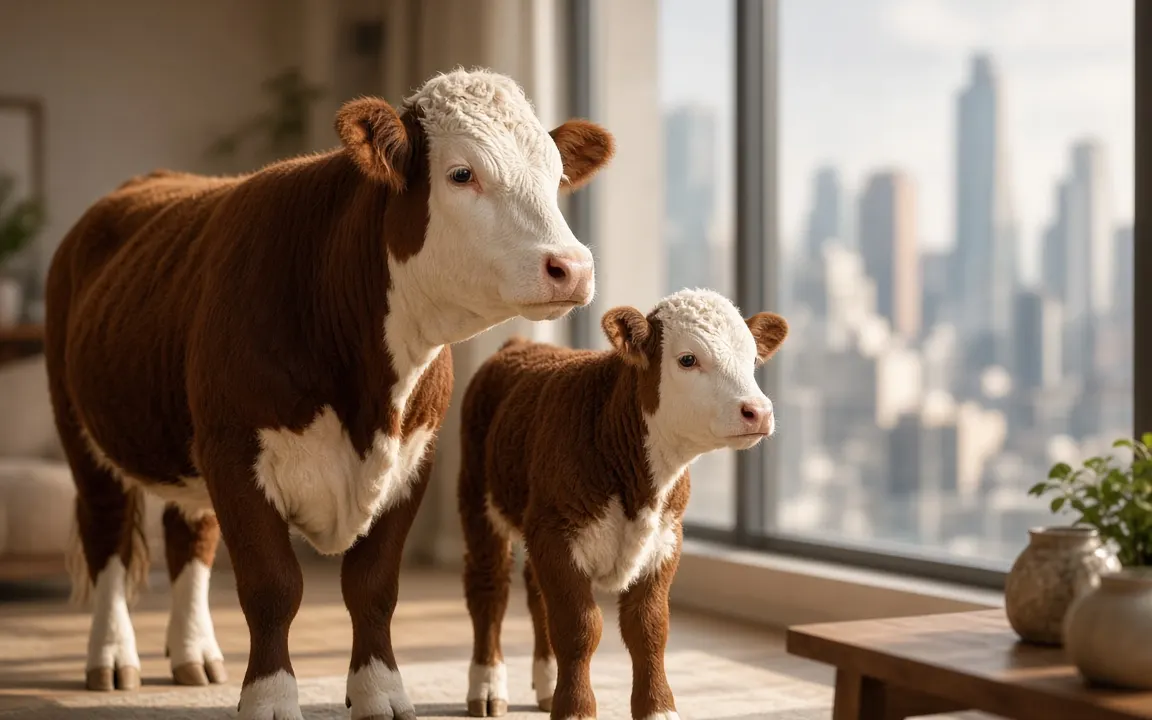
Beyond the ring roads, Uusimaa has dairy and beef farms, sheep, riding stables and plenty of Finnhorses, and trotting races draw a loyal crowd across Finland. The zoo and petting farms in the capital region also care for large animals. After a death, the farm or stable owner usually calls the vet and a collection service; individual cremation for animals this big is limited, so ask early.
Finnish riders often keep the same Finnhorse for twenty years, and farm families raise sheep and cattle through many seasons, so a death is felt by the whole stable or farm. Even without cremation, a braid of mane, a sheep bell, a headcollar or some fleece can be saved. A stone or birch sapling beside the pasture gives a place to stop.
Getting a 1,000 lb animal out of a tight property in a large city takes planning. The provider's truck has to reach it, a winch or skid steer may be needed, and narrow gates or soft ground can stop a trailer. Tell the provider the weight, the access and whether the animal is in a barn, a pen or a field. Metro traffic also means pickup windows can be wide, so cover the carcass and keep it shaded while you wait.
Helsinki is home to about 656,000 people.
63.95%[1]
In 2023, 63.95% of deaths in Finland were cremated (22 crematoria).
$600-$1,000[2]
Cremating a 1,000-pound horse was reported to cost about $600-$1,000, depending on location and the price of propane.
3-5% of body weight[3]
Embrace notes cremated remains typically weigh about 3-5% of the pet's original body weight.
None of the figures on this this page are ours alone: they rest on Embrace Pet Insurance and Extension Horses (eXtension national Cooperative Extension).
Local attitudes to cremation and burial
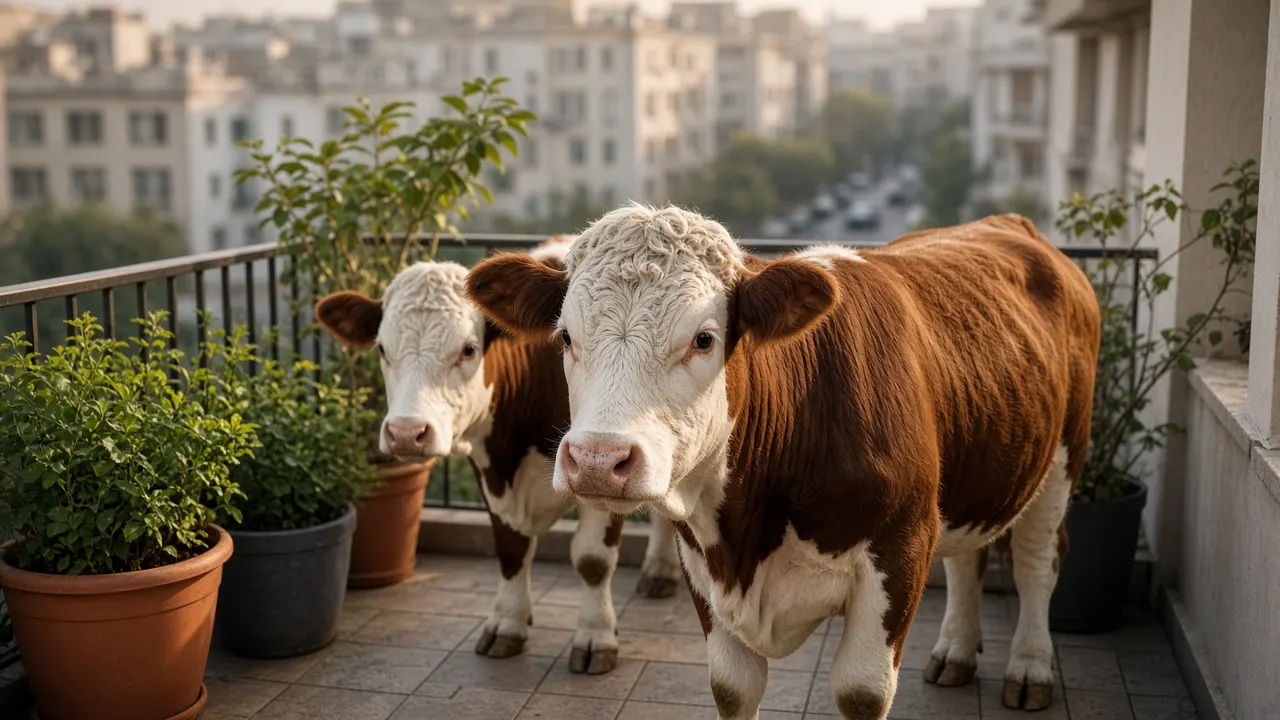
A single figure like 63.95%[1] for Finland can hide real differences between town and farm country, where family plots and church cemeteries often still matter. Farm families bring that same instinct to their animals. Burying a favorite cow feels natural where the ground and the rules allow it; where they don't, a private cremation lets the family keep her close without needing a grave site at all.
That Finland rate is a human one, published by Cremation Society of Great Britain, International Cremation Statistics 2023 (2023). We quote it for Helsinki only as a pointer to how families here already think about cremation.
Seasonal risks for stock and carcass handling near Helsinki
Heat waves and hard winters both cause losses on their own, and both make disposal harder at the same moment. Whatever the climate near Helsinki, a short written plan, with who you'd call, where carcasses could go and what equipment you'd need, is the single most useful thing you can prepare.

Where the money goes when stock die near Helsinki
If you want a show animal, a pet pig or a family cow cremated individually with the ashes returned, that is usually arranged through a pet crematorium that can handle large animals, separately from the official fallen-stock collection. Ask whether they collect from the farm in Helsinki, what they charge by weight and what paperwork is needed to release the animal to them.
We keep the detailed Uusimaa price table on one page so it stays current: see Uusimaa prices.

Free tool
Livestock mortality planner
Plan disposal capacity and costs for farm losses, from one animal to a herd.
The legal side of dead stock in Uusimaa
Dead-stock rules in Uusimaa exist mainly to protect water and stop disease. That's why they focus on deadlines, distance from wells and creeks, soil depth above bedrock and the water table, and keeping scavengers off carcasses. If your chosen site can't meet them, a renderer, landfill or crematory is the safer option, and a quick call to your agricultural office settles most doubts.
Step by step after a death on the farm
- Stop and look before anyone moves the animal. If it died without warning, if more than one is down, or if you see a nosebleed or strange nervous-system signs, ring the vet before you touch anything. Samples for a lab could be needed.
- Move it away from water and the herd with a loader or winch, but only where that can be done without risk. Creek banks and the area around the well head are places to avoid.
- Cover it with a tarp weighted at the edges to keep birds, dogs and coyotes off, especially if the animal was euthanized with drugs.
- Decide whether anyone wants ashes back. If so, find a crematory able to take the weight and speak to them before booking any dead-stock collection.
- Choose the route: what's allowed and actually on offer right now decides between a renderer, composting, burial, the landfill or a crematory.
- Get the price in writing, with the mileage, the loader and any extra for a weekend call-out all shown.
- Keep a record of when it happened, which animal and how it was handled, for the herd book or an insurer.
Remembering a show or family animal
Finnish winters make moving a large animal hard: deep snow on farm tracks, frozen paddocks and only a few hours of light. When you call about collection, describe the snow depth, whether the farmyard has been cleared and if a crane lorry can get near the barn. During the spring thaw, fields turn to mud, so plan for the firmest route.
Compare every option on our services page, look through our guides and the blog, or see how other readers answered in our polls, the planning tools turn your pet's details into figures. More local pages: the Uusimaa overview and every city in Finland.

Reader polls
What would you choose?
Vote anonymously and see how other readers answered. The results are live counts from people who visit this site, so they show real opinions, not a scientific sample.
Do you have a written plan for a big loss, like a blizzard, heat wave or disease outbreak?
Tap an answer to vote and see how others answered. Anonymous.
If a show steer, heifer or lamb your family raised died at home, what would you want?
Tap an answer to vote and see how others answered. Anonymous.
If you had to decide today, which aftercare would you choose for your pet?
Tap an answer to vote and see how others answered. Anonymous.

Free tools to help you plan
Livestock mortality planner
Plan disposal capacity and costs for farm losses, from one animal to a herd.

Urn size calculator
Find the urn volume you need from your pet's weight, plus keepsake and sharing options.

Horse aftercare cost comparison
Compare equine cremation, burial, rendering and composting side by side.
Questions people ask
Is cremation common in Finland?
For people, yes: about 63.95%[1] of Finland deaths end in cremation, according to Cremation Society of Great Britain, International Cremation Statistics 2023 (2023). Nobody publishes the same figure for pets, but in our experience pet choices in Helsinki follow the human pattern closely, so cremation is the default most families here start from.
How long does it take to get a cow's or steer's ashes back?
It depends on the provider's schedule and distance more than the cremation itself. At a typical burn rate, the burn phase for an 1,100 lb animal takes at least 4.4 hours[5], then the chamber has to cool and the remains are processed and packed. Pickup scheduling, travel and any backlog add days, so ask for the provider's usual timeline and whether you collect the ashes or they deliver them.
Can I keep a pet sheep's or goat's ashes in the EU?
Generally yes, if the animal was cremated individually at a licensed crematorium. Ashes returned to you after an individual cremation can usually be kept at home, and many families bury or scatter them later, subject to local rules. Tell the crematorium the animal was a pet and ask what paperwork it needs to release the body from the farm. Routine fallen-stock collection doesn't return anything.
Is livestock cremation common in Uusimaa?
For people, about 63.95%[1] of deaths in Finland end in cremation, and local habits shape how families feel about it. For livestock, cremation is still mostly chosen for show animals, family cows and pet pigs or goats, while production losses go to renderers, compost, burial or incineration. Large-animal crematories are specialized, so it's worth finding one before you need it.
Can meat from an animal that died on the farm be eaten?
No. An animal that died on its own, or was put down with euthanasia drugs, must not go into the food chain or be fed to dogs. Drug residues can poison pets and wildlife, and the cause of death may be a disease. Only animals killed at an inspected processor, or under your local home-kill rules while healthy, are fit to eat. Treat any dead stock as a carcass to dispose of, not as meat.
What should I do if several animals die at once?
Keep the rest of the herd or flock away, don't move the carcasses off the farm, and call your vet the same day. Sudden multiple deaths can mean a reportable disease, poisoning or heat stress, and the answer changes how disposal must be done. If disease is confirmed, animal health officials usually decide the method and may help with capacity.


Sources and our estimates
- [1] In 2023, 63.95% of deaths in Finland were cremated (22 crematoria). Cremation Society of Great Britain, International Cremation Statistics 2023, 2023.
- [2] Cremating a 1,000-pound horse was reported to cost about $600-$1,000, depending on location and the price of propane. Extension Horses (eXtension national Cooperative Extension) - Horse Disposal Options, 2019, 2019.
- [3] Embrace notes cremated remains typically weigh about 3-5% of the pet's original body weight. Embrace Pet Insurance - Bury or Cremate Your Dog? Costs, Pros & Cons, 2025.
- [4] The average value lost per dead cow or calf in 2015 was about $997. Our estimate: $3.87 billion / 3.88 million head. How we calculate.
- [5] At an average rate of 250 lb per hour, the burn phase for a 1,100 lb horse would take at least about 4.4 hours, not counting preheating and cool-down. Our estimate: 1,100 lb / 250 lb per hour. How we calculate.
Find who can take a large animal in Helsinki
Tell us what you need and where you are. We'll reply by email with clear options and prices so you can decide in your own time.