Livestock aftercare options near Beijing
A dead cow can't wait long, but you still have a choice. Here's how rendering, composting, burial and private cremation compare for farms and families in Beijing, and what each one costs per head.
- Time limits you need to know
- Pickup points that protect your herd
- Keepsakes from halters to ear tags
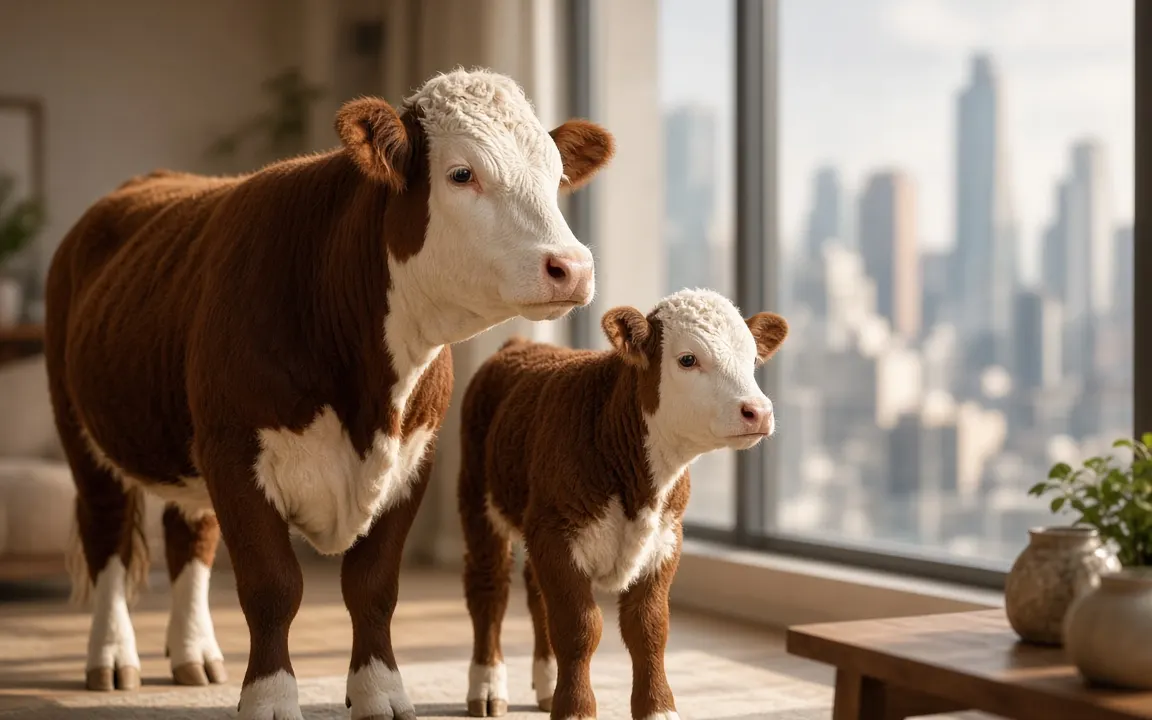
Beijing, China
Who calls us from Beijing, and what they usually need
Beijing's hot summers mean a large body must be moved quickly, while winter cold on the northern hills can make farm tracks icy. If you care for older horses, goats, cattle or sanctuary animals on the city's edge, ask in advance which providers handle large animals and whether individual cremation is possible. Commercial livestock usually goes through agricultural disposal channels instead.
Around Beijing, many large animals are kept by riding clubs, suburban hobby farms, animal rescues and zoological collections rather than working farms. That means the owner and the person arranging aftercare may not be the same, so agree who decides before anything happens. For a family animal, ask whether ashes can be returned, and whether a memorial or keepsake can be made.
Getting a 1,000 lb animal out of a tight property in a large city takes planning. The provider's truck has to reach it, a winch or skid steer may be needed, and narrow gates or soft ground can stop a trailer. Tell the provider the weight, the access and whether the animal is in a barn, a pen or a field. Metro traffic also means pickup windows can be wide, so cover the carcass and keep it shaded while you wait.
About 21,540,000 people live in Beijing.
50%[1]
China's cremation rate passed 50% for the first time in 2019.
$600-$1,000[2]
Cremating a 1,000-pound horse was reported to cost about $600-$1,000, depending on location and the price of propane.
3-5% of body weight[3]
Embrace notes cremated remains typically weigh about 3-5% of the pet's original body weight.
None of the figures on this this page are ours alone: they rest on Extension Horses (eXtension national Cooperative Extension) and Embrace Pet Insurance.
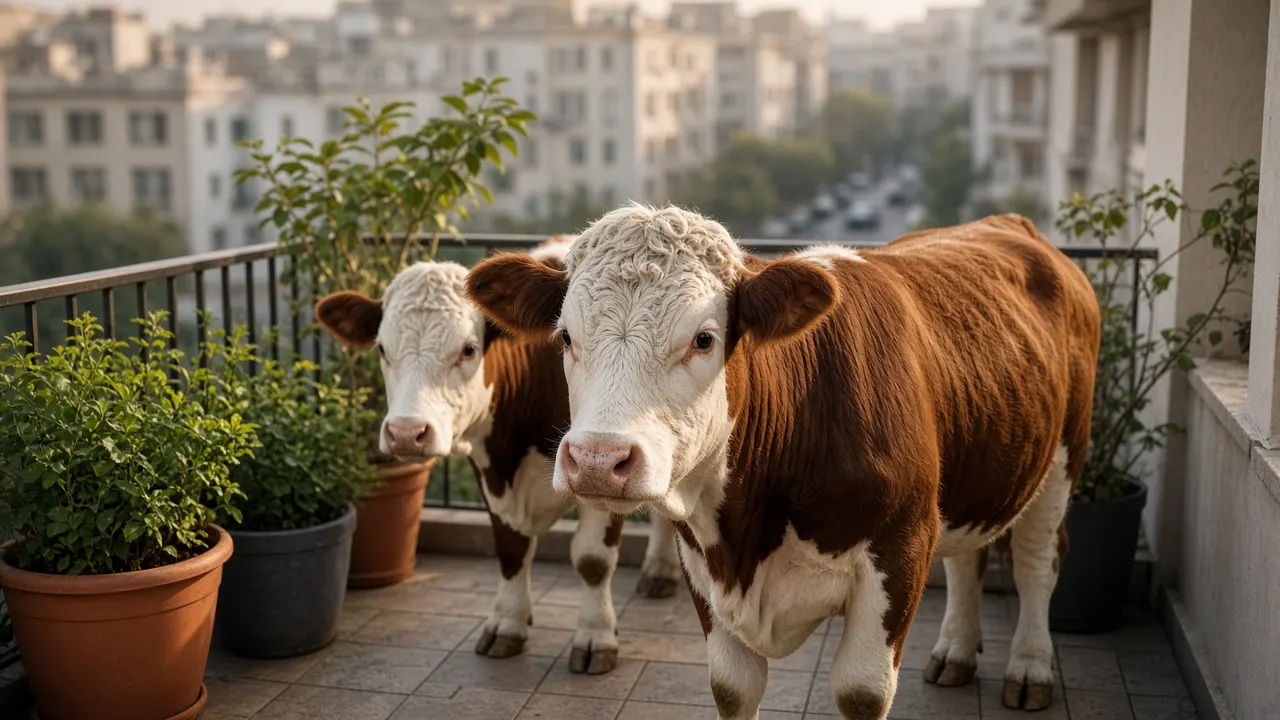
How China thinks about cremation
A single figure like 50%[1] for China can hide real differences between town and farm country, where family plots and church cemeteries often still matter. Farm families bring that same instinct to their animals. Burying a favorite cow feels natural where the ground and the rules allow it; where they don't, a private cremation lets the family keep her close without needing a grave site at all.
The China figure comes from Wikipedia: Cremation by country (2019). It describes people, not pets, so read it as a sign of local attitudes rather than a pet statistic.
Seasonal risks for stock and carcass handling near Beijing
Wherever you farm near Beijing, think about weather in terms of the carcass, the ground and the road. Heat shortens how long a body can wait; frost or flooding decides whether you can dig; and mud, snow or washouts decide whether a truck can reach you. Check all three before you promise anyone a pickup time.

Comparing the cost of each route in Beijing
In many Asian cities the practical question is capacity rather than price: few crematoria accept anything larger than a big dog, and fewer still a farm animal. If a pet goat, a pot-bellied pig or a backyard flock dies near Beijing, ask two or three pet crematoria for their weight limit before asking what they charge. Commercial losses go to licensed collectors, whose fees are set under local rules.
We keep the detailed China price table on one page so it stays current: see China prices.

Free tool
Livestock mortality planner
Plan disposal capacity and costs for farm losses, from one animal to a herd.
Burial, composting and deadlines in China
A useful habit for anyone keeping livestock in China: look up the disposal rules once, on a calm day, and write the key numbers on the barn wall. Deadline in hours, minimum burial depth, well setback, and whether composting is allowed for your species. When a loss happens at night or in a storm, you won't be searching for them on a phone.
What to do when livestock die in Beijing
- Note the time of death. Disposal deadlines are common, and 24-72 hours[5] is a typical limit, so timing runs from this moment.
- Save anything you want to keep before collection: the ear tag, the halter, a lock of tail hair, a photo.
- Call your vet if the death was unexpected, and tell them if other animals seem unwell.
- Call the renderer, crematory or excavator, and tell them the species, rough weight, where the animal lies and how a truck can reach it.
- Clear the access: gates unlatched, machinery out of the way, and a solid pickup spot close to the road, which keeps the truck out of your yard.
- Confirm what you'll receive: a pickup ticket from a renderer, or a date and container for the ashes from a crematory.
Keeping something of the animal you raised
Central Beijing has almost no large animals, but the outer districts to the north and west, toward the mountains and the Great Wall, have farms, orchards and riding clubs, and there are equestrian clubs in the suburban districts. If a horse or farm animal dies there, access is the first question: whether a vehicle can reach the animal and whether a winch or lifting equipment is needed. Include that when you request options.
look through our guides and the blog, or look at how readers voted in our polls, try the free planning tools, The services page is the place to compare what is included. More local pages: the China overview and every city in China.

Reader polls
What would you choose?
Vote anonymously and see how other readers answered. The results are live counts from people who visit this site, so they show real opinions, not a scientific sample.
Do you have a written plan for a big loss, like a blizzard, heat wave or disease outbreak?
Tap an answer to vote and see how others answered. Anonymous.
When an adult animal dies on your place, what usually happens to it?
Tap an answer to vote and see how others answered. Anonymous.
If you had to decide today, which aftercare would you choose for your pet?
Tap an answer to vote and see how others answered. Anonymous.

Free tools to help you plan
Livestock mortality planner
Plan disposal capacity and costs for farm losses, from one animal to a herd.

Urn size calculator
Find the urn volume you need from your pet's weight, plus keepsake and sharing options.

Horse aftercare cost comparison
Compare equine cremation, burial, rendering and composting side by side.
Questions people ask
How do China attitudes to cremation compare?
Wikipedia: Cremation by country (2019) puts the China human cremation rate at about 50%[1]. We show it on the Beijing page because pet aftercare choices tend to track it: where cremation is normal for people, communal and private pet cremation are both easy to find.
Can I keep something from the animal before it's collected?
Yes, and it's worth doing before anyone arrives, because it can't be done afterwards. Families often keep the ear tag, the halter or collar, a lock of mane or tail hair, a bell or a photo of the animal in the field. For a show animal, the banner, ribbons and show box nameplate make a lasting memorial even without ashes.
What should I do if several animals die at once?
Keep the rest of the herd or flock away, don't move the carcasses off the farm, and call your vet the same day. Sudden multiple deaths can mean a reportable disease, poisoning or heat stress, and the answer changes how disposal must be done. If disease is confirmed, animal health officials usually decide the method and may help with capacity.
Will a renderer take an animal that was euthanized with drugs?
Not always. Some renderers refuse drug-euthanized animals because of residues, and since 2003[6] FDA-required labels have warned that such carcasses must be kept away from scavengers. Tell whoever collects exactly how the animal died. If the renderer won't take it, deep burial, composting under full cover, incineration or cremation are the usual alternatives.
I live in Beijing but own farmland elsewhere. Which rules apply?
The rules where the land is. Burial depth, setbacks, composting permissions and disposal deadlines follow the location of the carcass, not your home address in Beijing. Agree a plan with whoever checks the stock: who calls the renderer or excavator, who pays and where a carcass can be moved and covered until it's collected.
What actually happens to an animal at a rendering plant?
Rendering cooks carcass material at about 250 to 275°F for 2 to 3 hours in a batch[7], which destroys most pathogens and separates fat from protein. The products are used in things like industrial fats and some feeds. It's a useful, low-cost route for production losses, but nothing comes back to the owner, so it's not the right choice if anyone wants ashes. USDA's disposal methods handout explains it in more detail.


Sources and our estimates
- [1] China's cremation rate passed 50% for the first time in 2019. Wikipedia: Cremation by country, 2019.
- [2] Cremating a 1,000-pound horse was reported to cost about $600-$1,000, depending on location and the price of propane. Extension Horses (eXtension national Cooperative Extension) - Horse Disposal Options, 2019, 2019.
- [3] Embrace notes cremated remains typically weigh about 3-5% of the pet's original body weight. Embrace Pet Insurance - Bury or Cremate Your Dog? Costs, Pros & Cons, 2025.
- [4] Texas lost about 1,452 cattle and calves per day in 2015. Our estimate: (310,000 + 220,000) / 365. How we calculate.
- [5] State rules commonly require dead animals to be buried within 24 to 72 hours of death, especially when euthanized. Cornell Waste Management Institute & Penn State - Horse Mortality: Carcass Disposal Alternatives (2012), 2012.
- [6] Since 2003 the FDA has required euthanasia drug labels to warn that euthanized animals must be disposed of by deep burial, incineration or another approved method to keep scavenging wildlife from eating the carcass. Cornell Waste Management Institute & Penn State - Horse Mortality: Carcass Disposal Alternatives (2012), 2003.
- [7] In rendering, carcass material is cooked at 250-275 F, a batch process that normally takes 2-3 hours and destroys harmful pathogens. USDA APHIS / Center for Food Security and Public Health (Iowa State) - Disposal: Composting, Rendering & Burial handout, based on NAHEMS Disposal Guidelines (2012), 2012.
Find who can take a large animal in Beijing
Tell us what you need and where you are. We'll reply by email with clear options and prices so you can decide in your own time.