Livestock cremation and disposal in Vancouver
Most places expect a carcass dealt with within a day or three. Here's what's legal, available and affordable in Vancouver, from dead-stock pickup to a private cremation with ashes returned.
- Time limits you need to know
- Pickup points that protect your herd
- Keepsakes from halters to ear tags
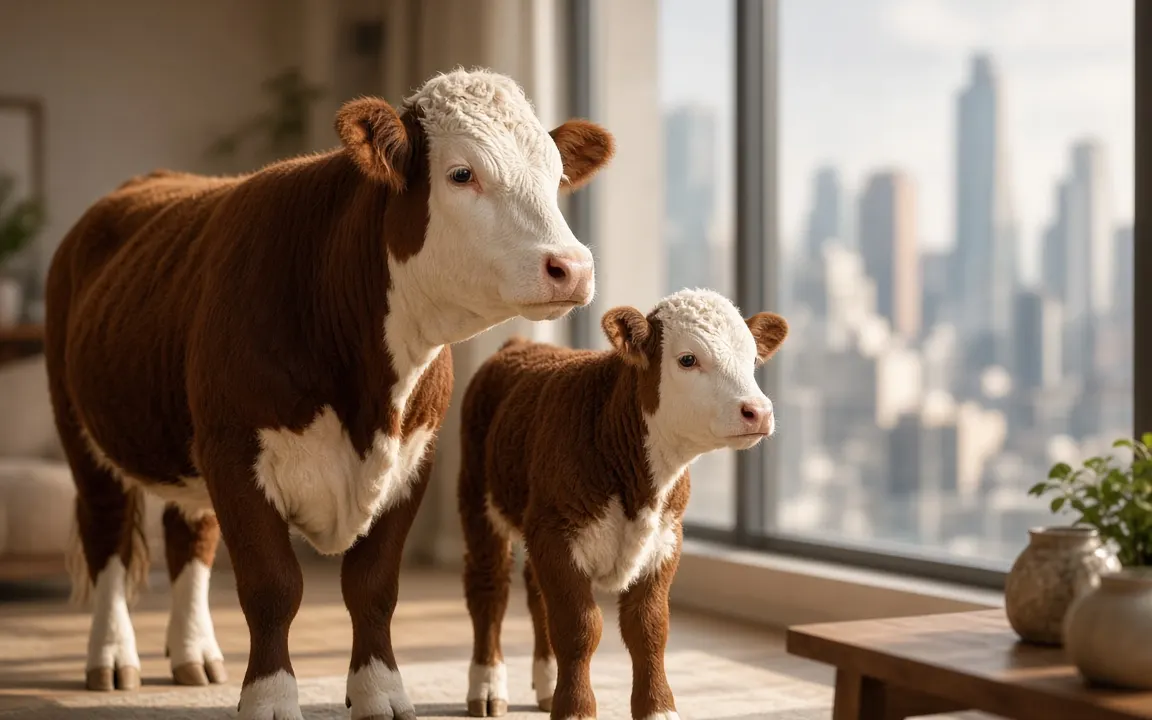
Vancouver, British Columbia
Livestock aftercare in Vancouver: the local picture
Hobby farmers and riders around Metro Vancouver often keep a single pony, a pair of goats or a retired horse on a small acreage in Delta, Surrey or Maple Ridge, and those animals are pets as much as livestock. If you would prefer individual cremation to rendering, talk it through with your large-animal vet while the animal is still healthy, including where a vehicle could park if the lane is flooded.
The Fraser Valley's rich farmland holds dairy herds, sheep, goats, alpacas and horses, and its wet winters leave pastures soft for months. The November 2021 atmospheric river floods showed how quickly low-lying farms around Abbotsford can be cut off. When you request help for a large animal, describe the ground, gate widths and whether a truck with a winch can reach the barn safely.
County fairs, stock shows and rodeo weeks held in or near a city the size of Vancouver put thousands of animals on one site for days at a time. Deaths there are uncommon but they do happen: a heifer that collapses in the wash rack, a market hog lost to heat on the drive in. Before you arrive, find out who the show veterinarian is and whether the grounds contract with a collector. If your family would want ashes back, carry a large-animal crematory's number in the show box.
With roughly 631,000 residents, Vancouver is the largest of the 6 British Columbia communities we cover.
Our pages for North Vancouver (3 miles), West Vancouver (6 miles) and Surrey (19 miles) describe the same choices from those towns' point of view, and the providers overlap, so a quote from one often covers Vancouver as well.
87%[1]
British Columbia's cremation rate is estimated at about 87%, the highest in Canada.
$600-$1,000[2]
Cremating a 1,000-pound horse was reported to cost about $600-$1,000, depending on location and the price of propane.
3-5% of body weight[3]
Embrace notes cremated remains typically weigh about 3-5% of the pet's original body weight.
If a number here surprises you, the primary material is Embrace Pet Insurance and Extension Horses (eXtension national Cooperative Extension); we only apply it to this.
What local funeral habits suggest about farm aftercare
In British Columbia, about 87%[1] of people are cremated, one of the higher rates around. That doesn't make large-animal crematories common, since they need space, permits and big equipment, but it does mean nobody will think a request for private cremation of a heifer or a pet pig is unusual. It's reasonable to ask a provider exactly how your animal is identified and whether it's cremated alone.
The British Columbia figure comes from DFS Memorials 'Cremation Nation' (estimate citing CANA) (2025). It describes people, not pets, so read it as a sign of local attitudes rather than a pet statistic.
Weather, ground conditions and disposal in Vancouver
In hot spells a large animal needs collection the same day; in cold snaps the challenge is frozen ground and blocked roads. If you're planning a euthanasia around Vancouver, pick a time of day and a day of the week when the provider can come straight afterwards.

Budgeting per animal and per year in Vancouver
Canadian winters change the cost picture. Burial may be impossible for months, so farms in Vancouver often pay for collection or rely on a compost pile built before the freeze. For budgeting, the US figures below give a reasonable sense of relative costs between routes; the actual number in CAD will come from local providers.
We keep the detailed British Columbia price table on one page so it stays current: see British Columbia prices.

Free tool
Livestock mortality planner
Plan disposal capacity and costs for farm losses, from one animal to a herd.
The legal side of dead stock in British Columbia
The rules in British Columbia usually leave the choice of route to you, as long as the method is lawful and done in time. What they won't tolerate is a carcass left in a creek, dragged into a woodlot or burned in a heap. If you're short of time or equipment, a paid collection is always a legal fallback, and it's far better than a shortcut that could bring a fine or a neighbor's complaint.
Vancouver's own guidance is published by City of Vancouver; it covers public collection, which is separate from arranging a private cremation.
In Canada, dead-stock disposal is regulated by each province, with federal rules on specified risk material for cattle 30 months and older. Licensed collectors still operate in many farming areas, and composting and burial are allowed under provincial standards. Winter matters: frozen ground rules out burial for months in much of the country, so plan cold-season losses before calving starts.
The rules that apply across British Columbia (home burial, scattering and who oversees pet cremation) are summarized on our British Columbia page. Vancouver may add its own conditions, so check with the city or county before digging.
The first day after a loss, in order
- Tell the show office and the show vet at once. They'll have a procedure and may need to record the death.
- Ask them to hold off before their usual contractor removes the animal, if your family might want a private cremation.
- Call home and decide together, all the more so when the animal was a young person's project.
- Keep the halter, tag, banner and exhibitor card, and get a photo of the pen card while the stall is still as it was.
- Arrange transport: either the crematory collects from the grounds, or you take the animal in your own trailer with the organizers' permission.
- Talk to the club leader or ag teacher about the project record, so the young person's year of work still counts.
Remembering a show or family animal
Vancouver itself has few large animals, though the Southlands neighborhood near the Fraser River still has stables. Most large animals in the region live in the Fraser Valley, among dairy herds, poultry barns, horse properties around Langley and a number of farm sanctuaries. When a large animal dies, rendering or disposal through farm channels is common for commercial stock, while individual cremation with ashes returned is possible for companion animals.
browse in-depth guides or recent articles, Compare every option on our services page, try the free planning tools, or look at how readers voted in our polls. Close to Vancouver we also cover West Vancouver, Kelowna, North Vancouver and Surrey; the full list for British Columbia and for Canada is a click away.

Reader polls
What would you choose?
Vote anonymously and see how other readers answered. The results are live counts from people who visit this site, so they show real opinions, not a scientific sample.
If a show steer, heifer or lamb your family raised died at home, what would you want?
Tap an answer to vote and see how others answered. Anonymous.
When an adult animal dies on your place, what usually happens to it?
Tap an answer to vote and see how others answered. Anonymous.
If you had to decide today, which aftercare would you choose for your pet?
Tap an answer to vote and see how others answered. Anonymous.

Free tools to help you plan
Livestock mortality planner
Plan disposal capacity and costs for farm losses, from one animal to a herd.

Urn size calculator
Find the urn volume you need from your pet's weight, plus keepsake and sharing options.

Horse aftercare cost comparison
Compare equine cremation, burial, rendering and composting side by side.
Questions people ask
Why does the Vancouver page quote a human cremation rate?
Because it is the best local signal we have. DFS Memorials 'Cremation Nation' (estimate citing CANA) (2025) reports about 87%[1] of British Columbia residents are cremated. There is no official pet equivalent, and inventing one would be worse than quoting a real, clearly labelled number.
Which nearby towns can I compare with Vancouver?
The closest communities we cover are North Vancouver (about 3 miles), West Vancouver (about 6 miles) and Surrey (about 19 miles). Providers based in those places often serve Vancouver too. Ask each one for a written total that includes collection, so the distance is priced in.
Can a crematory collect a large animal from a small property in Vancouver?
Often yes, if the truck can reach it. Tell the provider the animal's weight, where it's lying and any tight gates, soft ground or narrow lanes. Large-animal providers usually use a winch or tilt trailer; a skid steer may be needed if the animal is inside a small barn. Expect a mileage charge if the provider is based outside Vancouver.
Can I get my show steer's ashes back?
Yes, if you arrange a private cremation with a provider that can handle large animals. The steer is cremated alone and the ashes are returned, usually in a container you choose. Make that call before any dead-stock pickup is booked, because rendering can't be undone. Save the halter, ear tag and a lock of tail hair first.
Will a renderer take an animal that was euthanized with drugs?
Not always. Some renderers refuse drug-euthanized animals because of residues, and since 2003[5] FDA-required labels have warned that such carcasses must be kept away from scavengers. Tell whoever collects exactly how the animal died. If the renderer won't take it, deep burial, composting under full cover, incineration or cremation are the usual alternatives.
Do I have to report a livestock death?
Sometimes. Cattle, sheep, goats and pigs with official ear tags may need the death logged with a traceability system or on your holding register by a deadline, and sudden deaths with signs of a notifiable disease must be reported to animal health officials before disposal. A routine loss of an old ewe usually just needs a note in your own records. Your vet or agricultural office can tell you what applies.


Sources and our estimates
- [1] British Columbia's cremation rate is estimated at about 87%, the highest in Canada. DFS Memorials 'Cremation Nation' (estimate citing CANA), 2025.
- [2] Cremating a 1,000-pound horse was reported to cost about $600-$1,000, depending on location and the price of propane. Extension Horses (eXtension national Cooperative Extension) - Horse Disposal Options, 2019, 2019.
- [3] Embrace notes cremated remains typically weigh about 3-5% of the pet's original body weight. Embrace Pet Insurance - Bury or Cremate Your Dog? Costs, Pros & Cons, 2025.
- [4] Horse rendering costs about $0.14 per pound and composting about $0.23 per pound, both well below incineration at $0.75 per pound, and composting is comparable to a biodigester at $0.25 per pound. Our estimate: $275 / 1,200 lb (composting); $137.50 / 1,000 lb (rendering); $0.25 and $0.75 per lb from extension. How we calculate.
- [5] Since 2003 the FDA has required euthanasia drug labels to warn that euthanized animals must be disposed of by deep burial, incineration or another approved method to keep scavenging wildlife from eating the carcass. Cornell Waste Management Institute & Penn State - Horse Mortality: Carcass Disposal Alternatives (2012), 2003.
Tell us the species, weight and location
Tell us what you need and where you are. We'll reply by email with clear options and prices so you can decide in your own time.