When a farm animal dies in Antwerp: your options
If the animal mattered as more than a production loss, the first call you make decides whether ashes can come home. Here's how to plan it calmly and in the right order.
- Large-animal pickup and equipment questions
- Heat, frozen ground and disease timing
- Options for one animal or a whole barn
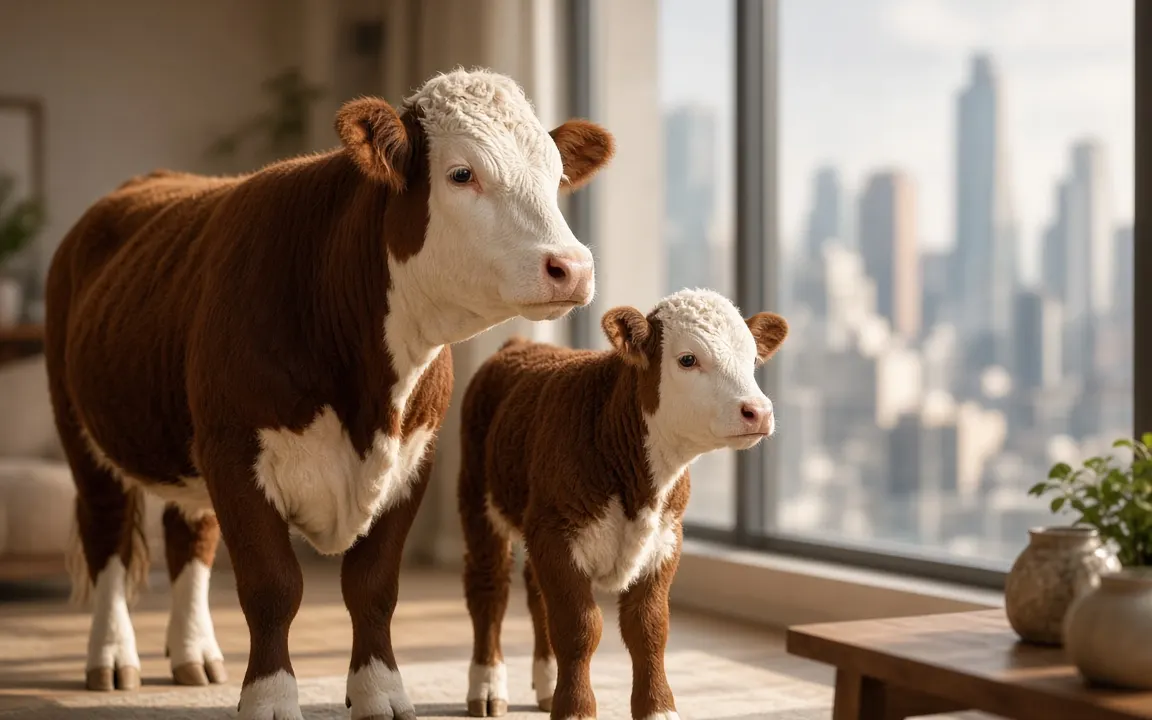
Antwerp, Flanders
Who calls us from Antwerp, and what they usually need
In Flanders, dead horses and farm animals are normally collected through the official rendering system, which your vet can explain and help arrange. An individual cremation, with that animal's ashes returned to you, is also possible for large animals, though only some providers offer it and transport from the stable adds to the cost. Ask for an itemised price in writing before agreeing.
Flemish winters bring long spells of rain, and fields in the Kempen and the polders can stay waterlogged for weeks. A heavy vehicle may not reach a pasture, so stable owners often plan where an older horse could be moved onto a yard or hard path. Agreeing on those details with your vet while the animal is still comfortable spares everyone rushed decisions later.
In a large city, municipal animal services or sanitation crews may pick up dead animals from public roads, but most won't come onto private property for a ram or a steer. Their rules often cap the weight they'll handle and leave farm species out altogether. For anything bigger than a goat, plan on a private provider. It's still worth calling the city's non-emergency line if you're unsure, because some metros keep a contractor on call for large animals.
With roughly 523,000 residents, Antwerp is the largest of the 2 Flanders communities we cover.
If you want to compare providers, look at Brussels (26 miles, a larger centre) and Ghent (32 miles). Distance matters because pickup fees and the time until the ashes come back both grow with the drive.
67.98%[1]
In 2023, 67.98% of deaths in Belgium were cremated (21 crematoria).
$600-$1,000[2]
Cremating a 1,000-pound horse was reported to cost about $600-$1,000, depending on location and the price of propane.
3-5% of body weight[3]
Embrace notes cremated remains typically weigh about 3-5% of the pet's original body weight.
We built the this numbers from Extension Horses (eXtension national Cooperative Extension) and Embrace Pet Insurance, and both are worth a look if you want the detail.
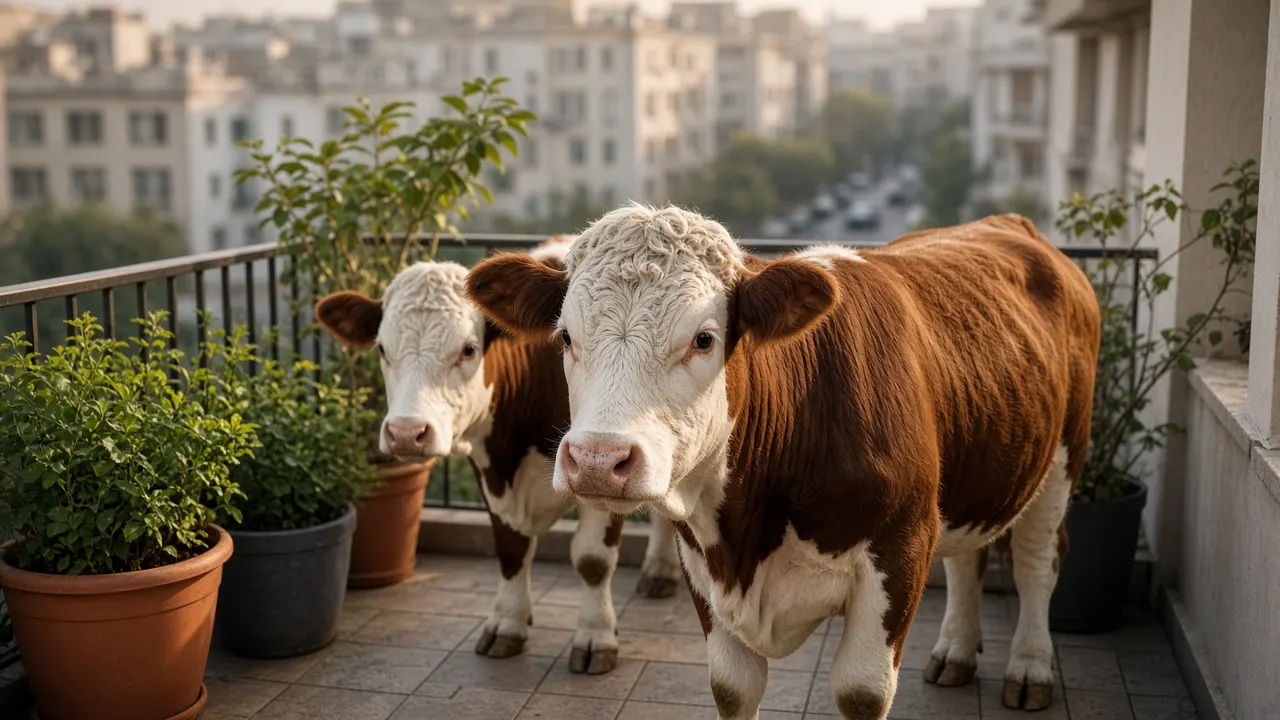
Burial, cremation and farm tradition in Belgium
About 67.98%[1] of people in Belgium are cremated, a figure that has been climbing for years while burial still has deep roots. You'll see both traditions on farms too. Some families bury a favorite cow at the edge of the pasture where she grazed; others choose cremation so the ashes can move with them. For production animals, the choice usually comes down to cost, soil and what the renderer will take.
Source for the Belgium number: Cremation Society of Great Britain, International Cremation Statistics 2023 (2023). Nobody publishes a pet cremation rate for Antwerp, so the human figure is the best local signal available.
Planning around the Antwerp calendar
Heat waves and hard winters both cause losses on their own, and both make disposal harder at the same moment. Whatever the climate near Antwerp, a short written plan, with who you'd call, where carcasses could go and what equipment you'd need, is the single most useful thing you can prepare.

Comparing the cost of each route in Antwerp
Across the EU, fallen stock is covered by animal by-product rules, and in most countries carcasses must go to an approved collector or processing plant rather than being buried on the farm. Who pays varies: in some countries a public fund or a levy covers part of the collection cost. The table shows how the routes compare rather than local prices, which you'll get from the collector serving Antwerp.
The full price table by size is on our Flanders page, and the services page explains what each option includes.

Free tool
Livestock mortality planner
Plan disposal capacity and costs for farm losses, from one animal to a herd.
What Flanders allows for dead stock
Most dead-stock regulations in Flanders were written with commercial herds in mind, but they rarely make an exception for a single pet pig or a 4-H lamb. If the animal is a farm species, assume the livestock rules apply unless an official tells you otherwise. The notes below summarize local aftercare guidance; your agricultural or animal health office can confirm the details for your property and species.
What to do when livestock die in Antwerp
- Take a breath. Farms lose animals, but a favorite one still hurts. Spend the first hour making things safe and being with the family; the forms can wait.
- Keep the carcass cool and covered, out of summer sun and clear of any path water takes across the ground.
- Ask the family what they'd like, before phoning a collector; after that there's no changing course.
- Get two quotes if you have time: one from a renderer or collector, one from a crematory that can take large animals.
- Check the rules that apply to burying or composting on your own land, particularly how deep and how far from creeks and wells.
- Arrange the goodbye you want, whether that's a burial at the edge of the pasture where it's allowed, a private cremation or a simple pickup at the road.
Marking the loss, on the farm or in town
Antwerp itself is a port city with very few large animals, but its hinterland is different. To the east, the Kempen has sandy heathland, pine woods and a strong horse culture with many riding stables and breeders, and the polders north towards the Dutch border are grazing and farmland. If you keep horses, ponies, sheep or goats in the province, have the animal's weight and yard access ready when you ask for options.
try the free planning tools, or see how other readers answered in our polls, browse in-depth guides or recent articles, Compare every option on our services page. If you live between Antwerp and Ghent, either page applies. Every other community in Flanders, and all of Belgium, is listed too.

Reader polls
What would you choose?
Vote anonymously and see how other readers answered. The results are live counts from people who visit this site, so they show real opinions, not a scientific sample.
If a show steer, heifer or lamb your family raised died at home, what would you want?
Tap an answer to vote and see how others answered. Anonymous.
Do you have a written plan for a big loss, like a blizzard, heat wave or disease outbreak?
Tap an answer to vote and see how others answered. Anonymous.
If you had to decide today, which aftercare would you choose for your pet?
Tap an answer to vote and see how others answered. Anonymous.

Free tools to help you plan
Livestock mortality planner
Plan disposal capacity and costs for farm losses, from one animal to a herd.

Urn size calculator
Find the urn volume you need from your pet's weight, plus keepsake and sharing options.

Horse aftercare cost comparison
Compare equine cremation, burial, rendering and composting side by side.
Questions people ask
Is cremation common in Belgium?
For people, yes: about 67.98%[1] of Belgium deaths end in cremation, according to Cremation Society of Great Britain, International Cremation Statistics 2023 (2023). Nobody publishes the same figure for pets, but in our experience pet choices in Antwerp follow the human pattern closely, so cremation is the default most families here start from.
Which nearby towns can I compare with Antwerp?
The closest communities we cover are Brussels (about 26 miles) and Ghent (about 32 miles). Providers based in those places often serve Antwerp too. Ask each one for a written total that includes collection, so the distance is priced in.
Can I be there when my animal is cremated?
Some large-animal crematories allow it, especially for show and family animals, but not all have space or the setup for visitors. It may cost more and need booking ahead. If it matters to you, ask on the first call, and ask how long the process takes so you can plan the day; a large animal takes hours.
How much ash comes back from a cow or steer?
Cremated remains typically weigh about 3-5% of body weight[3], so a 1,200 lb steer may return 35 to 60 lb, much more than a standard urn holds. Families often split the ashes between a main urn, a few keepsakes and a scattering in the pasture. The urn size calculator can help you work out what container you'll need.
Can a crematory collect a large animal from a small property in Antwerp?
Often yes, if the truck can reach it. Tell the provider the animal's weight, where it's lying and any tight gates, soft ground or narrow lanes. Large-animal providers usually use a winch or tilt trailer; a skid steer may be needed if the animal is inside a small barn. Expect a mileage charge if the provider is based outside Antwerp.
Will a renderer take an animal that was euthanized with drugs?
Not always. Some renderers refuse drug-euthanized animals because of residues, and since 2003[5] FDA-required labels have warned that such carcasses must be kept away from scavengers. Tell whoever collects exactly how the animal died. If the renderer won't take it, deep burial, composting under full cover, incineration or cremation are the usual alternatives.


Sources and our estimates
- [1] In 2023, 67.98% of deaths in Belgium were cremated (21 crematoria). Cremation Society of Great Britain, International Cremation Statistics 2023, 2023.
- [2] Cremating a 1,000-pound horse was reported to cost about $600-$1,000, depending on location and the price of propane. Extension Horses (eXtension national Cooperative Extension) - Horse Disposal Options, 2019, 2019.
- [3] Embrace notes cremated remains typically weigh about 3-5% of the pet's original body weight. Embrace Pet Insurance - Bury or Cremate Your Dog? Costs, Pros & Cons, 2025.
- [4] About 10,630 U.S. cattle and calves died every day in 2015. Our estimate: 3,880,000 / 365. How we calculate.
- [5] Since 2003 the FDA has required euthanasia drug labels to warn that euthanized animals must be disposed of by deep burial, incineration or another approved method to keep scavenging wildlife from eating the carcass. Cornell Waste Management Institute & Penn State - Horse Mortality: Carcass Disposal Alternatives (2012), 2003.
Get livestock disposal options in Antwerp
Tell us what you need and where you are. We'll reply by email with clear options and prices so you can decide in your own time.