Livestock cremation and disposal in Vienna
Most places expect a carcass dealt with within a day or three. Here's what's legal, available and affordable in Vienna, from dead-stock pickup to a private cremation with ashes returned.
- Costs per head for every route
- Burial and composting rules in plain English
- Private cremation for show and family animals
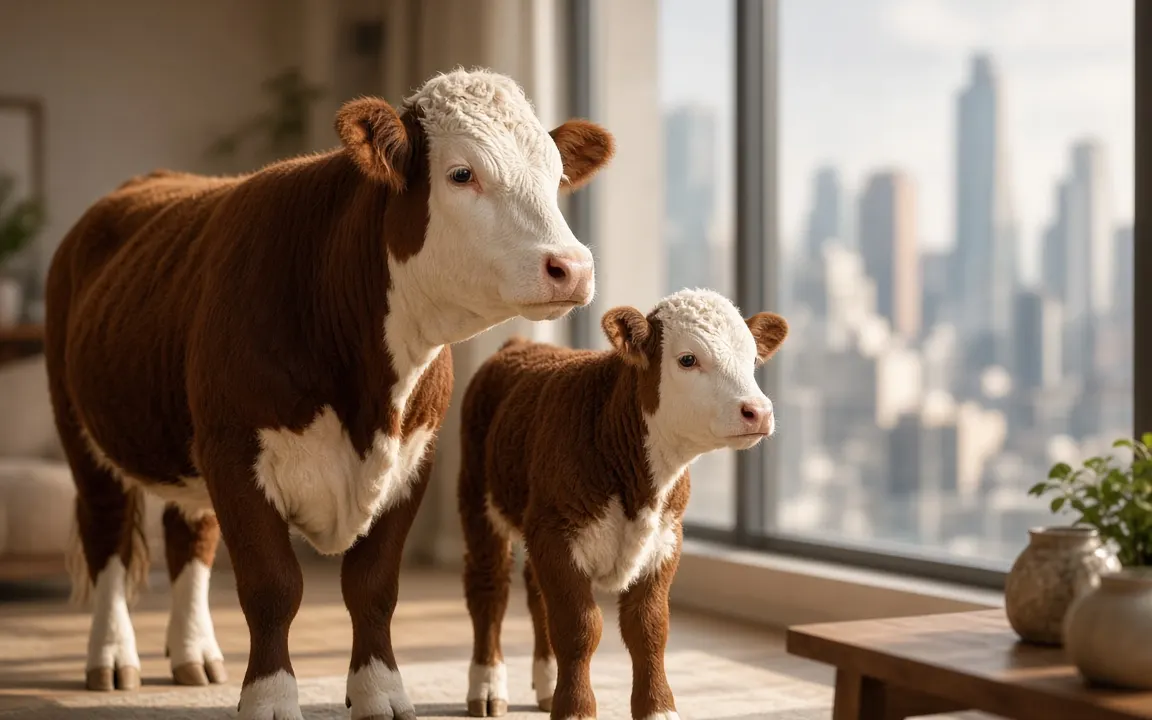
Vienna, Austria
Livestock losses around Vienna: who's affected and how
Horses are part of Vienna's identity, from the carriages in the old town to riding yards on the green edges of the city, and beyond the limits Lower Austria and Burgenland have cattle, sheep, goats and pig farms among the vineyards. Petting farms and animal sanctuaries also sit within an hour's drive. If you care for a large animal around Vienna, tell providers about narrow lanes and steep yards, particularly in the Vienna Woods.
Winter in eastern Austria can bring snow and hard frost, and summer heat on the Pannonian plain to the east can be intense. Both affect how quickly a large animal must be collected and whether a lorry can reach a field or barn. For an older cow, horse or sanctuary animal, it is worth discussing arrangements with your vet well ahead, including costs for collection, cremation and the return of ashes.
Many high schools in and around Vienna run agriculture programs with a barn on campus. When a school-owned animal dies, the decision usually sits with the ag teacher and the district rather than the student who raised it, and the district may already have a removal contract. If a student hopes to keep something, ask the teacher early. A tag, a photo or a share of the ashes from a private cremation can often be arranged if the family offers to cover the difference.
About 1,897,000 people live in Vienna.
$600-$1,000[1]
Cremating a 1,000-pound horse was reported to cost about $600-$1,000, depending on location and the price of propane.
3-5% of body weight[2]
Embrace notes cremated remains typically weigh about 3-5% of the pet's original body weight.
Sources for the statistics above: Extension Horses (eXtension national Cooperative Extension) and Embrace Pet Insurance.
How Austria thinks about cremation
Attitudes to cremation vary a lot from place to place, but for livestock the practical questions are the same everywhere: who can collect an animal this size, what the rules say about burial and composting, and whether anyone in the family wants ashes back. Around Vienna, start with a local vet or the agricultural authority, then compare the routes that are actually open to you.
Vienna weather and how fast you need to act
Local weather affects three things after a livestock death: how quickly the carcass has to go, whether burial or composting is practical, and whether a truck can reach the animal at all. Near Vienna, keep a firm, accessible pickup point near the road and have a tarp ready, whatever the season.

Budgeting per animal and per year in Vienna
In several EU countries the farmer pays only part of the fallen-stock bill, with the rest met by a levy, a public fund or an animal disease fund, so the charge you see near Vienna may look modest. Individual cremation sits outside that system and is paid in full by the owner. Ask the crematorium for a price by weight, the cost of collection from the farm and whether it handles the release paperwork.
Rather than repeat the price table on every city page, we keep one for Austria: Austria costs. What each service includes is on the services page.

Free tool
Livestock mortality planner
Plan disposal capacity and costs for farm losses, from one animal to a herd.
Burial, composting and deadlines in Austria
Dead-stock rules in Austria exist mainly to protect water and stop disease. That's why they focus on deadlines, distance from wells and creeks, soil depth above bedrock and the water table, and keeping scavengers off carcasses. If your chosen site can't meet them, a renderer, landfill or crematory is the safer option, and a quick call to your agricultural office settles most doubts.
What to do when livestock die in Vienna
- Pull over somewhere safe and go through the whole trailer before anything else. Whatever hit one animal, heat, a pile-up, a fall, may have hit others.
- Call a vet near where you are, not just your own, so the others can be checked and you know whether it's safe to carry on.
- Don't unload onto the roadside unless you're told to. Loose stock are a hazard, and moving a carcass on public roads can need permission.
- Ask about the nearest approved collector or crematory along the way, or find out if the place you're headed, whether sale barn, show or processor, will take the carcass.
- Photograph the trailer and the animals, and keep weigh tickets and receipts in case of an insurance or buyer claim.
- Clean and disinfect the trailer before it carries live animals again.
Keeping something of the animal you raised
In Austria, farm livestock that dies normally goes to an authorised collection service, and ashes are not returned. A companion goat, a family horse or an animal at a sanctuary can be treated differently, but only some providers have equipment large enough to cremate it individually. Your vet or the farm's usual contacts will know who does; ask about weight limits, timescales and what the alternatives are if cremation is not possible.
browse in-depth guides or recent articles, See what each option includes on our services page, the planning tools turn your pet's details into figures, or compare your instinct with the poll results. Every other community in Austria, and all of Austria, is listed too.

Reader polls
What would you choose?
Vote anonymously and see how other readers answered. The results are live counts from people who visit this site, so they show real opinions, not a scientific sample.
If a show steer, heifer or lamb your family raised died at home, what would you want?
Tap an answer to vote and see how others answered. Anonymous.
What feels like a fair price to deal with one dead adult cow?
Tap an answer to vote and see how others answered. Anonymous.
If you had to decide today, which aftercare would you choose for your pet?
Tap an answer to vote and see how others answered. Anonymous.

Free tools to help you plan
Livestock mortality planner
Plan disposal capacity and costs for farm losses, from one animal to a herd.

Urn size calculator
Find the urn volume you need from your pet's weight, plus keepsake and sharing options.

Horse aftercare cost comparison
Compare equine cremation, burial, rendering and composting side by side.
Questions people ask
Can I keep a pet sheep's or goat's ashes in the EU?
Generally yes, if the animal was cremated individually at a licensed crematorium. Ashes returned to you after an individual cremation can usually be kept at home, and many families bury or scatter them later, subject to local rules. Tell the crematorium the animal was a pet and ask what paperwork it needs to release the body from the farm. Routine fallen-stock collection doesn't return anything.
What should I do if several animals die at once?
Keep the rest of the herd or flock away, don't move the carcasses off the farm, and call your vet the same day. Sudden multiple deaths can mean a reportable disease, poisoning or heat stress, and the answer changes how disposal must be done. If disease is confirmed, animal health officials usually decide the method and may help with capacity.
Is livestock cremation common in Austria?
For people, about a majority of deaths in Austria end in cremation, and local habits shape how families feel about it. For livestock, cremation is still mostly chosen for show animals, family cows and pet pigs or goats, while production losses go to renderers, compost, burial or incineration. Large-animal crematories are specialized, so it's worth finding one before you need it.
Does a renderer need to come into my farmyard?
Ideally not. A concrete pad or firm gravel spot near the road lets the truck load without driving past your barns, which is one of the simplest biosecurity steps a farm can take. Trucks visit many farms in a day, so keeping them at the edge of the property protects your herd or flock.
Can a crematory collect a large animal from a small property in Vienna?
Often yes, if the truck can reach it. Tell the provider the animal's weight, where it's lying and any tight gates, soft ground or narrow lanes. Large-animal providers usually use a winch or tilt trailer; a skid steer may be needed if the animal is inside a small barn. Expect a mileage charge if the provider is based outside Vienna.
Will a renderer take an animal that was euthanized with drugs?
Not always. Some renderers refuse drug-euthanized animals because of residues, and since 2003[4] FDA-required labels have warned that such carcasses must be kept away from scavengers. Tell whoever collects exactly how the animal died. If the renderer won't take it, deep burial, composting under full cover, incineration or cremation are the usual alternatives.


Sources and our estimates
- [1] Cremating a 1,000-pound horse was reported to cost about $600-$1,000, depending on location and the price of propane. Extension Horses (eXtension national Cooperative Extension) - Horse Disposal Options, 2019, 2019.
- [2] Embrace notes cremated remains typically weigh about 3-5% of the pet's original body weight. Embrace Pet Insurance - Bury or Cremate Your Dog? Costs, Pros & Cons, 2025.
- [3] Composting a 1,400 lb dairy cow would need roughly 14-16.8 cubic yards of cover material. Our estimate: 1.4 x (10 to 12 cu yd per 1,000 lb). How we calculate.
- [4] Since 2003 the FDA has required euthanasia drug labels to warn that euthanized animals must be disposed of by deep burial, incineration or another approved method to keep scavenging wildlife from eating the carcass. Cornell Waste Management Institute & Penn State - Horse Mortality: Carcass Disposal Alternatives (2012), 2003.
Get livestock disposal options in Vienna
Tell us what you need and where you are. We'll reply by email with clear options and prices so you can decide in your own time.