Livestock aftercare options near Brisbane
Renderer, compost pile, burial pit or crematory: the right answer in Brisbane depends on the animal, your ground and the season. This guide helps you pick quickly and pay a fair price.
- Rendering, compost, burial or cremation compared
- Help finding who serves your county
- Written prices before anything is loaded
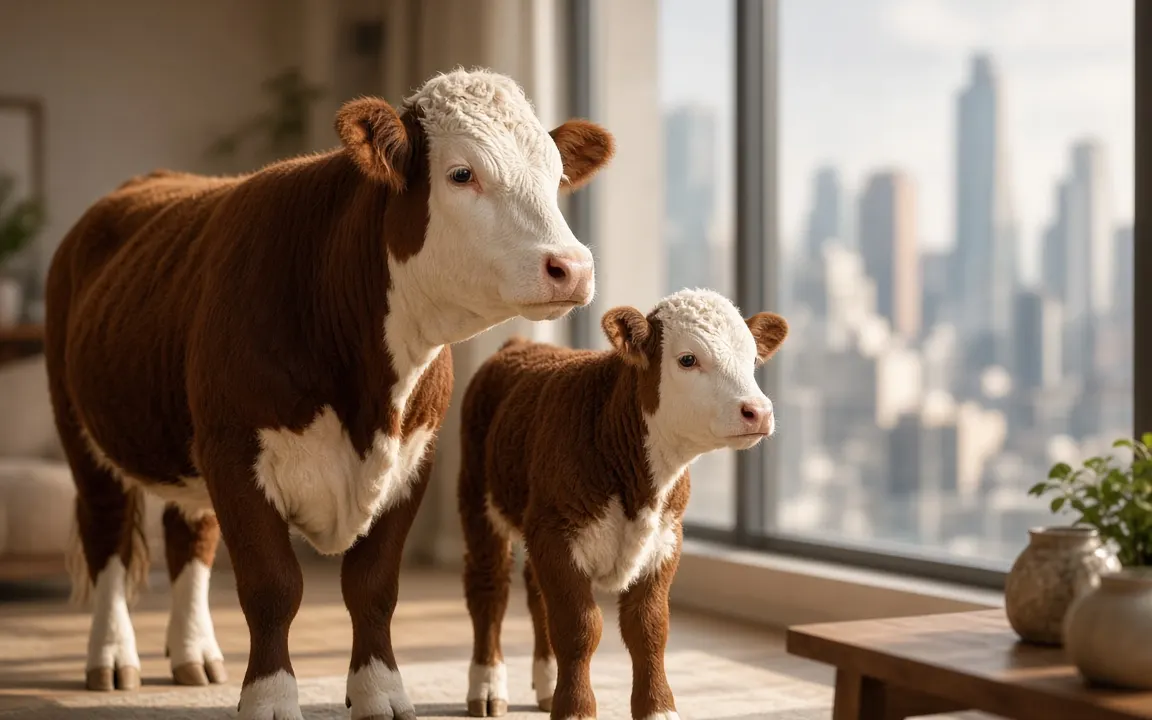
Brisbane, Queensland
Livestock losses around Brisbane: who's affected and how
South East Queensland's hobby farms keep goats, sheep, alpacas, pigs and cattle, often as family animals. Commercial livestock usually follows agricultural disposal or on-farm burial within state rules, while a companion animal may be cremated individually with ashes returned. It helps to tell us what the animal was, its rough size and whether it was a family pet or farm stock.
Brisbane's fringe holds plenty of large-animal country, from acreage in the Moreton Bay region and Samford Valley to the Scenic Rim and Lockyer Valley, with pony clubs, beef cattle and hobby farms keeping goats and alpacas. When a large animal dies, getting a lifting truck close enough and your choice between individual cremation and knackery collection come first. Let us know the property's location and whether a truck can get through the gate.
In a large city, municipal animal services or sanitation crews may pick up dead animals from public roads, but most won't come onto private property for a ram or a steer. Their rules often cap the weight they'll handle and leave farm species out altogether. For anything bigger than a goat, plan on a private provider. It's still worth calling the city's non-emergency line if you're unsure, because some metros keep a contractor on call for large animals.
Brisbane's population is around 2,560,000, the largest of the 8 Queensland communities we cover.
For a second opinion on price, Gold Coast (44 miles), Sunshine Coast (57 miles) and Toowoomba (66 miles) are close enough that their providers cover Brisbane routinely. Two written quotes tell you more than any price list.
71%[1]
Australian cremation rates hovered around 70-72% between 2020 and 2023, with Sydney and Melbourne often above 80%.
$600-$1,000[2]
Cremating a 1,000-pound horse was reported to cost about $600-$1,000, depending on location and the price of propane.
3-5% of body weight[3]
Embrace notes cremated remains typically weigh about 3-5% of the pet's original body weight.
Where these figures come from: Extension Horses (eXtension national Cooperative Extension) and Embrace Pet Insurance.
Local attitudes to cremation and burial
Where cremation is as ordinary as it is in Australia, at roughly 71%[1] of deaths, some families assume any animal can be cremated nearby. For livestock that's rarely so. Pet crematories may stop at a large dog or a goat, and only a few providers have a chamber big enough for a mature cow. If you'd want a heifer's or a boar's ashes back, find that provider first, before a well-meaning neighbor calls the usual collector.
FuneralSmart (2023) is where the Australia figure comes from. It counts people; we use it because attitudes to cremating a pet in Brisbane tend to follow attitudes to cremation generally.
Heat, cold and timing for livestock losses in Brisbane
In hot spells a large animal needs collection the same day; in cold snaps the challenge is frozen ground and blocked roads. If you're planning a euthanasia around Brisbane, pick a time of day and a day of the week when the provider can come straight afterwards.

What livestock disposal and cremation cost in Brisbane
Across Australia and New Zealand, drought and flood years bring clusters of losses, and that's when disposal costs bite: fuel for an excavator, hire of a loader or several call-outs from a knackery. Around Brisbane, get a quote for a day of emergency machine hire before the season turns, and ask your council whether a larger burial pit needs approval. For a pet lamb or calf, a pet crematorium can quote by weight in local currency.
Rather than repeat the price table on every city page, we keep one for Queensland: Queensland costs. What each service includes is on the services page.

Free tool
Livestock mortality planner
Plan disposal capacity and costs for farm losses, from one animal to a herd.
Burial, composting and deadlines in Queensland
Record-keeping rules in Queensland may apply alongside disposal rules. Cattle, sheep, goats and pigs often carry official IDs, and a death may need to be reported to a traceability system or noted in a herd register within a set time. Keep the tag number, date and route for every animal. It's the same information an insurer or auditor would ask for, and it takes a minute to jot down in the barn.
In Australia, state agriculture and environment agencies set the rules for livestock carcass disposal. On-farm burial is common on larger properties, with conditions on distance from water and bores, and knackeries collect in some districts. Heat, drought and floods can cause several losses at once, so ask your state primary industries department for guidance on emergency disposal before you need it.
The rules that apply across Queensland (home burial, scattering and who oversees pet cremation) are summarized on our Queensland page. Brisbane may add its own conditions, so check with the city or county before digging.
Step by step after a death on the farm
- Take a breath. Farms lose animals, but a favorite one still hurts. Spend the first hour making things safe and being with the family; the forms can wait.
- Keep the carcass cool and covered, out of summer sun and clear of any path water takes across the ground.
- Ask the family what they'd like, before phoning a collector; after that there's no changing course.
- Get two quotes if you have time: one from a renderer or collector, one from a crematory that can take large animals.
- Check the rules that apply to burying or composting on your own land, particularly how deep and how far from creeks and wells.
- Arrange the goodbye you want, whether that's a burial at the edge of the pasture where it's allowed, a private cremation or a simple pickup at the road.
Keeping something of the animal you raised
Summer heat, storms and flooding make timing critical for large animal aftercare around Brisbane, and wet-season mud can stop heavy vehicles reaching a paddock for days. If you have an ageing horse, cow or alpaca, talk to your vet about a spot near firm ground and a gate, well above any flood-prone creek flats, and ask providers now how far they'll travel into the Scenic Rim, Lockyer or Moreton Bay areas.
See what each option includes on our services page, read our guides and latest articles, or compare your instinct with the poll results, use the free tools before you ring anyone. If you live between Brisbane and Cairns, Mackay, Toowoomba and Gold Coast, either page applies. Every other community in Queensland, and all of Australia, is listed too.

Reader polls
What would you choose?
Vote anonymously and see how other readers answered. The results are live counts from people who visit this site, so they show real opinions, not a scientific sample.
Do you have a written plan for a big loss, like a blizzard, heat wave or disease outbreak?
Tap an answer to vote and see how others answered. Anonymous.
If a show steer, heifer or lamb your family raised died at home, what would you want?
Tap an answer to vote and see how others answered. Anonymous.
If you had to decide today, which aftercare would you choose for your pet?
Tap an answer to vote and see how others answered. Anonymous.

Free tools to help you plan
Livestock mortality planner
Plan disposal capacity and costs for farm losses, from one animal to a herd.

Urn size calculator
Find the urn volume you need from your pet's weight, plus keepsake and sharing options.

Horse aftercare cost comparison
Compare equine cremation, burial, rendering and composting side by side.
Questions people ask
Can a provider from a neighbouring town collect from Brisbane?
Usually yes. Gold Coast is about 44 miles away, Sunshine Coast is about 57 miles away and Toowoomba is about 66 miles away, all inside a normal collection radius. Get the mileage written into the quote so there is no surprise on the day.
How do Australia attitudes to cremation compare?
FuneralSmart (2023) puts the Australia human cremation rate at about 71%[1]. We show it on the Brisbane page because pet aftercare choices tend to track it: where cremation is normal for people, communal and private pet cremation are both easy to find.
Do I have to report a livestock death?
Sometimes. Cattle, sheep, goats and pigs with official ear tags may need the death logged with a traceability system or on your holding register by a deadline, and sudden deaths with signs of a notifiable disease must be reported to animal health officials before disposal. A routine loss of an old ewe usually just needs a note in your own records. Your vet or agricultural office can tell you what applies.
Can I bring a dead animal to a crematory myself?
Often yes, and it can save the pickup fee. You'll need a trailer and a way to load and unload the animal safely, usually a winch, a loader or a skid steer. Call ahead so the provider has equipment and staff ready, and cover the animal in transit. Some regions restrict moving carcasses during disease outbreaks, so check first.
Can I be there when my animal is cremated?
Some large-animal crematories allow it, especially for show and family animals, but not all have space or the setup for visitors. It may cost more and need booking ahead. If it matters to you, ask on the first call, and ask how long the process takes so you can plan the day; a large animal takes hours.
Why is cremating a large animal so expensive?
Because of time and capacity. An agricultural incinerator may hold a 1,500 lb load[5] (one manufacturer's rating), so a grown steer or cow is usually cremated alone, and at a typical burn rate an 1,100 lb animal needs at least 4.4 hours[6] before cooling. Add fuel, loading equipment and travel to a farm, and the cost per animal is far higher than rendering.


Sources and our estimates
- [1] Australian cremation rates hovered around 70-72% between 2020 and 2023, with Sydney and Melbourne often above 80%. FuneralSmart, 2023.
- [2] Cremating a 1,000-pound horse was reported to cost about $600-$1,000, depending on location and the price of propane. Extension Horses (eXtension national Cooperative Extension) - Horse Disposal Options, 2019, 2019.
- [3] Embrace notes cremated remains typically weigh about 3-5% of the pet's original body weight. Embrace Pet Insurance - Bury or Cremate Your Dog? Costs, Pros & Cons, 2025.
- [4] Composting a 1,400 lb dairy cow would need roughly 14-16.8 cubic yards of cover material. Our estimate: 1.4 x (10 to 12 cu yd per 1,000 lb). How we calculate.
- [5] An animal incinerator sized for agricultural and animal-control use holds up to 1,500 lb per load with a maximum burn rate of 250 lb per hour (manufacturer specification). B&L Cremation Systems (manufacturer) - BLI-1500 Animal Incinerator specifications.
- [6] At an average rate of 250 lb per hour, the burn phase for a 1,100 lb horse would take at least about 4.4 hours, not counting preheating and cool-down. Our estimate: 1,100 lb / 250 lb per hour. How we calculate.
Get cremation or pickup prices for Brisbane
Tell us what you need and where you are. We'll reply by email with clear options and prices so you can decide in your own time.