Dead stock, show animals and cremation in Sydney
A dead cow can't wait long, but you still have a choice. Here's how rendering, composting, burial and private cremation compare for farms and families in Sydney, and what each one costs per head.
- Time limits you need to know
- Pickup points that protect your herd
- Keepsakes from halters to ear tags
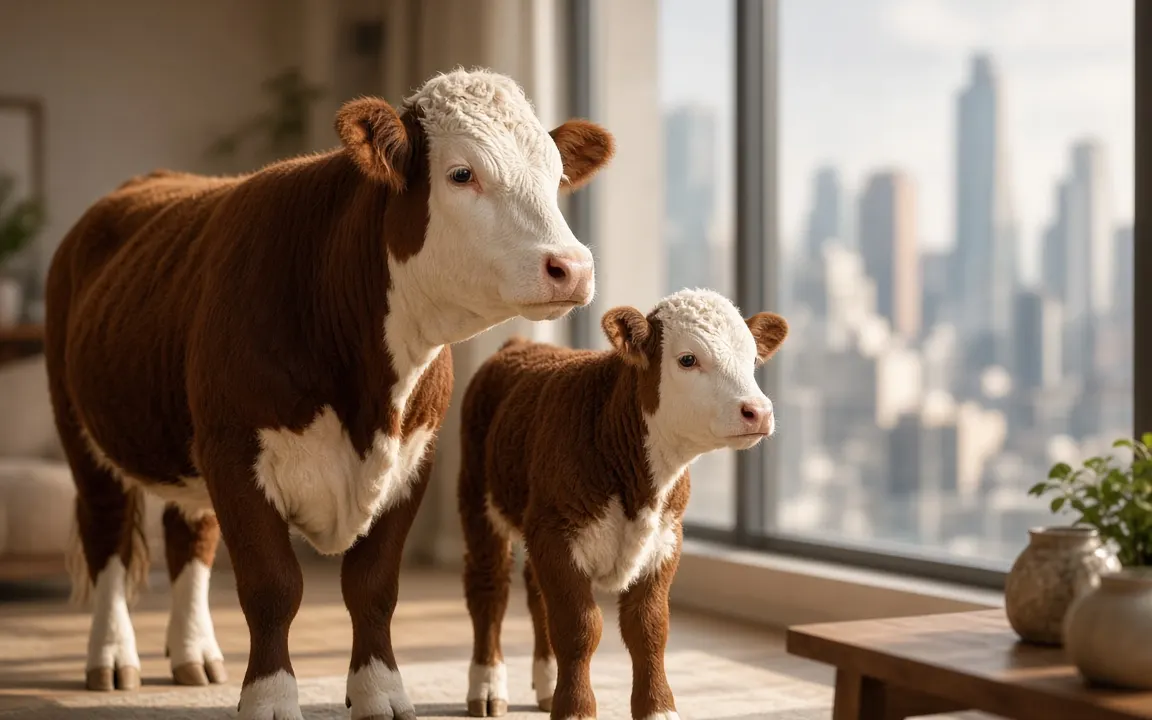
Sydney, New South Wales
Who calls us from Sydney, and what they usually need
Greater Sydney has more large animals than most visitors realize, with pony clubs and acreage properties across the Hills District, the Hawkesbury, Western Sydney and the Southern Highlands, cattle, goats and alpacas on small farms, and animals in wildlife parks. When a large animal dies, the key questions are vehicle access to the animal and whether you want individual cremation, which fewer providers offer, or collection by a knackery. Tell us the address, gate width and ground conditions.
Summer heat and bushfire season both complicate large animal aftercare around Sydney: on total fire ban days rural roads and properties can be harder to reach, and heat speeds everything up. For an older horse, cow or alpaca on a Hawkesbury or Hills District block, it's worth choosing a spot now with truck access, away from dams and creek banks, and finding out which providers cover your area.
Miniature pigs, pygmy goats and the odd backyard sheep live in plenty of Sydney neighborhoods, sometimes under a permit or a zoning exception. When one dies, the owner usually thinks of it as a pet, and the practical path looks more like a dog's than a steer's. Many pet crematories can take an animal of that size individually, but a pig that has grown well past its 'mini' label may not fit. Check the weight limit first, and ask whether they collect from a house or need you to bring the animal in.
Sydney's population is around 5,312,000, the largest of the 9 New South Wales communities we cover.
Nearby, we also have local pages for Mosman (3 miles), Wollongong (43 miles) and Newcastle (73 miles), which can help if your vet or the provider you prefer is based there.
71%[1]
Australian cremation rates hovered around 70-72% between 2020 and 2023, with Sydney and Melbourne often above 80%.
$600-$1,000[2]
Cremating a 1,000-pound horse was reported to cost about $600-$1,000, depending on location and the price of propane.
3-5% of body weight[3]
Embrace notes cremated remains typically weigh about 3-5% of the pet's original body weight.
The numbers above come from Embrace Pet Insurance and Extension Horses (eXtension national Cooperative Extension), if you'd like to read the original sources.
Tradition, practicality and the animals that mattered
Cremation is the everyday choice across Australia, at roughly 71%[1], so most families already know the basic shape of it: identification, a wait of some days, a container handed back. That familiarity helps with a large animal, where the details matter more. A grown steer may need a farm pickup with a winch, a longer processing time and a far bigger container. Ask how each of those steps is handled, not only what it costs.
The Australia figure comes from FuneralSmart (2023). It describes people, not pets, so read it as a sign of local attitudes rather than a pet statistic.
What the seasons mean for dead stock in Sydney
Wherever you are, the same rules of thumb apply: in warm weather, move the carcass to shade, cover it and get it collected within the day; in cold weather you have more time, but frozen ground can make burial impossible. Around Sydney, ask a local vet or collector what they recommend for this time of year, because they know the seasons well.

Comparing the cost of each route in Sydney
Across Australia and New Zealand, drought and flood years bring clusters of losses, and that's when disposal costs bite: fuel for an excavator, hire of a loader or several call-outs from a knackery. Around Sydney, get a quote for a day of emergency machine hire before the season turns, and ask your council whether a larger burial pit needs approval. For a pet lamb or calf, a pet crematorium can quote by weight in local currency.
We keep the detailed New South Wales price table on one page so it stays current: see New South Wales prices.

Free tool
Livestock mortality planner
Plan disposal capacity and costs for farm losses, from one animal to a herd.
Rules worth knowing in New South Wales
Record-keeping rules in New South Wales may apply alongside disposal rules. Cattle, sheep, goats and pigs often carry official IDs, and a death may need to be reported to a traceability system or noted in a herd register within a set time. Keep the tag number, date and route for every animal. It's the same information an insurer or auditor would ask for, and it takes a minute to jot down in the barn.
In Australia, state agriculture and environment agencies set the rules for livestock carcass disposal. On-farm burial is common on larger properties, with conditions on distance from water and bores, and knackeries collect in some districts. Heat, drought and floods can cause several losses at once, so ask your state primary industries department for guidance on emergency disposal before you need it.
The rules that apply across New South Wales (home burial, scattering and who oversees pet cremation) are summarized on our New South Wales page. Sydney may add its own conditions, so check with the city or county before digging.
Jobs in the right order after a loss near Sydney
- Tell the show office and the show vet at once. There'll be a set process, and the death might have to go on their records.
- Ask them to hold off on calling their regular contractor to take the animal away, in case a private cremation is what your family wants.
- Call home and decide together, all the more so when the animal was a young person's project.
- Keep the halter, tag, banner and exhibitor card, and get a photo of the pen card while the stall is still as it was.
- Arrange transport: the crematory can pick up at the showgrounds, or, if the organizers agree, you can haul the animal there yourself in your trailer.
- Talk to the club leader or ag teacher about the project record, so the young person's year of work still counts.
Memorials that fit a working farm
Hobby farms on Sydney's fringe keep goats, sheep, alpacas, pigs and poultry alongside family pets. A companion animal may be cremated on its own with the ashes returned. Livestock on commercial properties usually follows agricultural disposal or on-farm burial within state rules. Tell us whether it was a companion or a commercial animal, plus its approximate weight, so we can match options.
Compare every option on our services page, the planning tools turn your pet's details into figures, read our guides and latest articles, or compare your instinct with the poll results. If you live between Sydney and Albury, Wollongong, Orange and Dubbo, either page applies. Every other community in New South Wales, and all of Australia, is listed too.

Reader polls
What would you choose?
Vote anonymously and see how other readers answered. The results are live counts from people who visit this site, so they show real opinions, not a scientific sample.
Do you have a written plan for a big loss, like a blizzard, heat wave or disease outbreak?
Tap an answer to vote and see how others answered. Anonymous.
If a show steer, heifer or lamb your family raised died at home, what would you want?
Tap an answer to vote and see how others answered. Anonymous.
If you had to decide today, which aftercare would you choose for your pet?
Tap an answer to vote and see how others answered. Anonymous.

Free tools to help you plan
Livestock mortality planner
Plan disposal capacity and costs for farm losses, from one animal to a herd.

Urn size calculator
Find the urn volume you need from your pet's weight, plus keepsake and sharing options.

Horse aftercare cost comparison
Compare equine cremation, burial, rendering and composting side by side.
Questions people ask
Is cremation common in Australia?
For people, yes: about 71%[1] of Australia deaths end in cremation, according to FuneralSmart (2023). Nobody publishes the same figure for pets, but in our experience pet choices in Sydney follow the human pattern closely, so cremation is the default most families here start from.
Can a provider from a neighbouring town collect from Sydney?
Usually yes. Mosman is about 3 miles away, Wollongong is about 43 miles away and Newcastle is about 73 miles away, all inside a normal collection radius. Get the mileage written into the quote so there is no surprise on the day.
What should I do if several animals die at once?
Keep the rest of the herd or flock away, don't move the carcasses off the farm, and call your vet the same day. Sudden multiple deaths can mean a reportable disease, poisoning or heat stress, and the answer changes how disposal must be done. If disease is confirmed, animal health officials usually decide the method and may help with capacity.
I live in Sydney but own farmland elsewhere. Which rules apply?
The rules where the land is. Burial depth, setbacks, composting permissions and disposal deadlines follow the location of the carcass, not your home address in Sydney. Agree a plan with whoever checks the stock: who calls the renderer or excavator, who pays and where a carcass can be moved and covered until it's collected.
What paperwork should I keep after a livestock death?
At a minimum: the date, animal ID or ear tag, cause of death if known, the method of disposal and the collector's ticket or invoice. Insurers, auditors and some breed or show records ask for it, and it helps you spot patterns in losses. For contract pickups, make sure every collection comes with a ticket that matches your records.
How long does it take to get a cow's or steer's ashes back?
It depends on the provider's schedule and distance more than the cremation itself. At a typical burn rate, the burn phase for an 1,100 lb animal takes at least 4.4 hours[5], then the chamber has to cool and the remains are processed and packed. Pickup scheduling, travel and any backlog add days, so ask for the provider's usual timeline and whether you collect the ashes or they deliver them.


Sources and our estimates
- [1] Australian cremation rates hovered around 70-72% between 2020 and 2023, with Sydney and Melbourne often above 80%. FuneralSmart, 2023.
- [2] Cremating a 1,000-pound horse was reported to cost about $600-$1,000, depending on location and the price of propane. Extension Horses (eXtension national Cooperative Extension) - Horse Disposal Options, 2019, 2019.
- [3] Embrace notes cremated remains typically weigh about 3-5% of the pet's original body weight. Embrace Pet Insurance - Bury or Cremate Your Dog? Costs, Pros & Cons, 2025.
- [4] Composting a 1,400 lb dairy cow would need roughly 14-16.8 cubic yards of cover material. Our estimate: 1.4 x (10 to 12 cu yd per 1,000 lb). How we calculate.
- [5] At an average rate of 250 lb per hour, the burn phase for a 1,100 lb horse would take at least about 4.4 hours, not counting preheating and cool-down. Our estimate: 1,100 lb / 250 lb per hour. How we calculate.
Tell us the species, weight and location
Tell us what you need and where you are. We'll reply by email with clear options and prices so you can decide in your own time.